


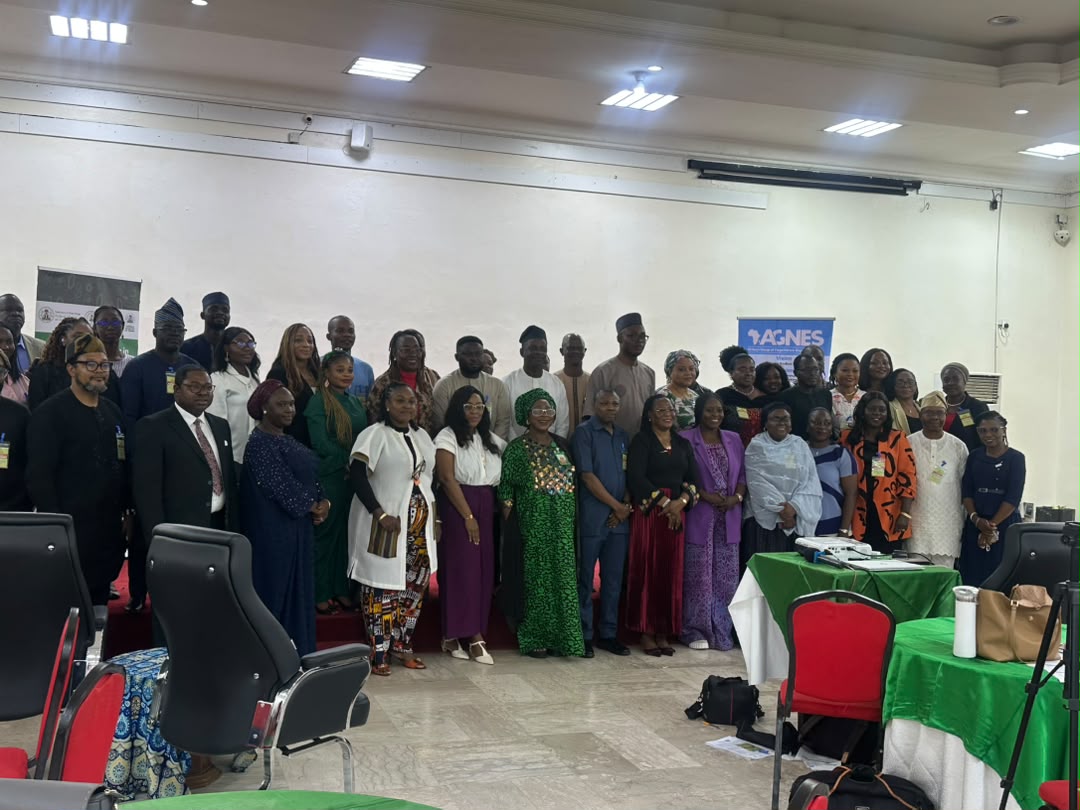
AGNES Urges Nigerian Government to Advance Clean Cooking Initiative
The African Negotiators Expert Support Group (AGNES) has urged the Nigerian government to hasten the nationwide rollout of the Clean Cooking Initiative. This appeal was articulated by Mr. David Awolala, AGNES Nigeria Country Director, during the project’s launch workshop titled “Integrating e-cooking into Nigeria’s Clean Cooking Policy Implementation Plan and Financing Proposals,” held on Thursday.
Implemented in partnership with the Federal Ministry of the Environment, the National Council on Climate Change (NCCC) of the Presidency, the Federal Ministry of Power, the Climate and Clean Air Coalition (CCAC), and the United Nations Environment Program (UNEP), the initiative aims to redefine the cooking landscape in Nigeria.
AGNES advocates that the expansion of electric cooking is crucial for enhancing public health, curbing carbon emissions, and fulfilling the country’s climate change commitments. The organization emphasizes that innovative cooking solutions are integral to combating climate challenges and improving living standards.
AGNES Established as a Climate Policy Hub
AGNES operates as a nonprofit think tank dedicated to integrating climate science, policy, and practical solutions across Africa. Since its establishment in 2015, the organization has provided essential technical support to the African Group of Negotiators and various governments, positioning itself as a primary hub for climate policy and action on the continent. Its credibility is underscored by certifications from the United Nations Environment Program and the Intergovernmental Panel on Climate Change, enhancing its role in global climate governance.
Nigeria’s Need for Accelerated Action on Clean Cooking
Mr. Awolala remarked that while Nigeria has made strides in climate action and energy transitions, tangible implementation of these policies at scale remains imperative. He emphasized, “Given the scale of the clean cooking challenge, we need accelerated execution, stronger coordination, and increased investment.” He called for a shift from mere discussions about clean cooking to actionable programs and funding mechanisms that can effectively reach households and communities.
Health Risks Linked with Current Cooking Practices
Awolala pointed out that millions of Nigerian households still depend on traditional fuels such as firewood, charcoal, and kerosene, which not only pose health risks but also contribute to environmental degradation and greenhouse gas emissions. Particularly, women and children bear the brunt of this reliance as they often spend considerable time gathering fuel and are most exposed to the harmful effects of household air pollution.
“These challenges affect productivity, education, health, and economic opportunities,” he noted, highlighting the interconnected nature of clean cooking solutions with public health and environmental sustainability. He argued for a comprehensive approach where clean cooking is viewed as a pivotal facet of national development across multiple sectors.
Opportunities from Electric Cooking and Climate Financing
According to AGNES, the integration of electric cooking holds promise for reducing household air pollution and enhancing energy efficiency while stimulating economic growth through appliance manufacturing and support services. However, Awolala cautioned that for widespread adoption, government intervention is crucial. He stressed, “Electronic cooking doesn’t scale automatically,” alluding to the need for affordable, reliable electricity supply and supportive policy frameworks.
Nigeria’s Carbon Market Framework as a Catalyst
The AGNES group posited that the expansion of electronic cooking could further enable Nigeria to tap into climate finance, particularly through carbon markets. By substituting high-emission cooking fuels with cleaner alternatives, the country can leverage measurable emissions reductions, potentially qualifying for carbon credits. This initiative could secure additional climate financing, attract private investment, and create sustainable revenue streams, further enhancing clean cooking solutions.
Mr. Awolala also noted the newly established carbon market framework in Nigeria as an avenue to foster investments in clean cooking initiatives. Signed in 2025 and approved during Abu Dhabi Sustainability Week 2026, this framework lays out the institutional and regulatory foundation necessary for Nigeria to engage with both domestic and international carbon markets.
AGNES Launches Initiative to Transform Clean Cooking Policies
Mr. Awolala emphasized the importance of today’s workshop to chart a course forward, stating the aim is to formally initiate the project, identify opportunities and barriers, and develop a comprehensive, investment-ready proposal to attract necessary funding. He announced that AGNES is prepared to offer technical assistance to translate clean cooking policies into actionable, financeable programs, and also confirmed the opening of AGNES’s country office in Abuja on July 1, 2026.
Commenting on the significance of the event, Amdi Chioma, NDC and LT-LEDs Desk Officer of the Nigerian Climate Change Council, noted the event’s timeliness following recent sustainability discussions. He underscored the role of electronic cooking in combating climate change and advancing health sector goals as aligned with Nigeria’s climate commitments.
