


African Women as Key Economic Drivers
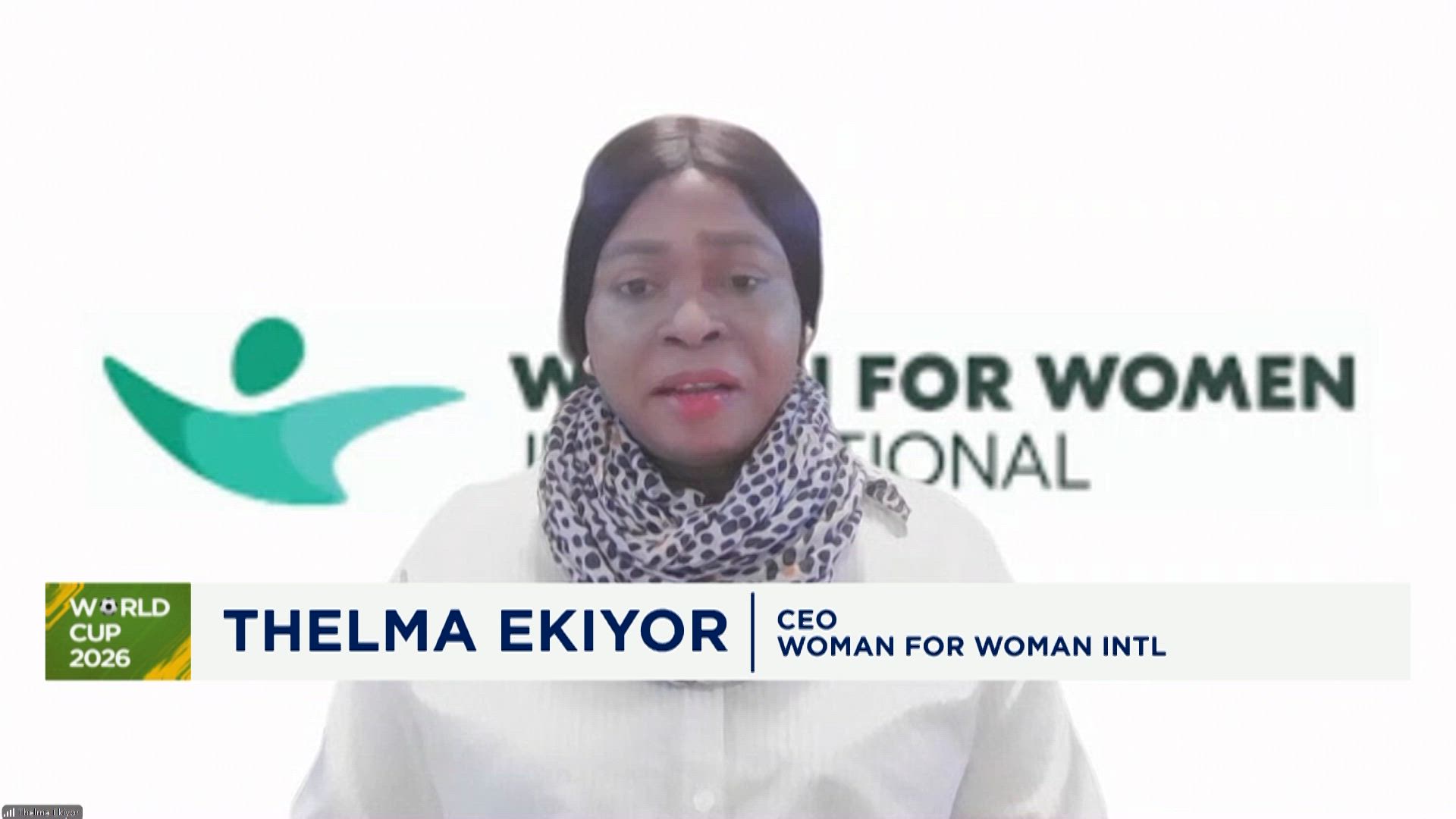
Thelma Ekeo, CEO of Women for Women International, asserts that African women represent one of the continent’s most significant untapped economic opportunities. Yet, many remain excluded from vital resources such as capital, access to markets, and essential tools necessary for building scalable businesses.
The Gender Funding Gap Persists
In a recent television interview focused on “Women’s Economic Independence, Artificial Intelligence and Digitalization in Africa,” Ekeo emphasized that despite notable progress in digital technology and efforts toward financial inclusion, the gender funding gap in Africa continues to be alarming. Her remarks underscore a broader discourse regarding whether innovations in mobile technology and artificial intelligence can dismantle the longstanding barriers that have confined many women-owned businesses to small, informal, and underfunded categories.
Challenges Women Entrepreneurs Face
“On paper, Africa has the highest number of women entrepreneurs,” Ekeo said. “However, in reality, these entrepreneurs face substantial hurdles in securing funding.” This contradiction highlights the complexities that policymakers, investors, and development agencies confront. While many women are launching businesses across the continent, these ventures often remain fragmented and undercapitalized, primarily existing in the informal sector. Without adequate access to financial resources, women frequently find it challenging to expand beyond survival-level businesses and may ultimately opt for more stable jobs instead.
Access to Capital Remains Limited
Ekeo cited the widely reported statistic that only 2% of women worldwide can access loans, noting that the reality is likely even worse in Africa. The percentage of women on the continent who can obtain public financing is probably much smaller, suggesting that structural inequalities will continue to hinder economic participation well into 2026. She contended that this funding gap reflects not only a lack of trust but also entrenched perceptions within the investment ecosystem. A prevailing belief persists that funding women is inherently risky or that women are less capable of managing significant sums of money.
Impact of Investing in Women
This mindset has profound implications for Africa’s economy. Ekeo highlighted the central role women play in supporting families and communities, indicating that investments in women-run businesses tend to yield benefits that extend far beyond the individual entrepreneurs. When women have increased earning potential, the positive effects ripple through families, local economies, and social systems.
The Role of Technology in Empowerment
For Ekeo, technology emerges as a vital means of addressing these disparities. She contended that digital tools can lower barriers to business training, enhance financial literacy, and connect women with financing opportunities. This is particularly crucial in “last mile” communities, characterized by deep poverty, conflict, and isolation, where Women for Women International concentrates its efforts. In these areas, traditional business support structures are often inadequate or nonexistent. However, mobile phone penetration is significant across Africa, even among women who possess basic or analog devices. Ekeo noted that technology can facilitate remote training and business support, allowing women to acquire skills without relying on conventional classrooms or urban business centers.
AI as a Catalyst for Growth
Artificial intelligence further offers transformative potential. AI tools can assist women entrepreneurs in managing their operations more effectively, identifying growth opportunities, and discovering available funding. As AI adoption continues to increase globally, African development leaders are increasingly exploring its practical applications in areas such as market intelligence, bookkeeping, customer engagement, language support, and financial guidance for underserved businesses.
Unlocking African Economic Potential
Ekeo emphasized the high stakes involved, stating that failing to fully engage women in entrepreneurship means underutilizing more than half of Africa’s economic capacity. With women constituting approximately 51% of the population, their exclusion from productive resources and wealth-building opportunities could severely limit the continent’s broader anti-poverty objectives. She mentioned that data indicates poverty in Africa has a distinct female dimension, underscoring the macroeconomic argument that empowering women is not merely a social imperative but a strategic avenue for growth.
Reimagining Financial Support for Women
Women have proven their capability to build enterprises even with minimal resources, Ekeo noted. However, existing financing models often confine women to microfinance options, keeping them entrenched in small-scale operations. “Microfinance shouldn’t be the definitive approach for women; instead, we should provide women with the capital needed for growth, enabling them to become job creators,” she proposed. The transition from survival entrepreneurship to scalable enterprises represents a pivotal test for Africa’s digital transformation agenda. A strategic blend of mobile connectivity, AI-enhanced training, and impact investing could be crucial in reshaping the futures of millions of women entrepreneurs. For investors, government bodies, and development agencies, the pressing question is not whether African women possess entrepreneurial potential, but whether the ecosystem is prepared to nurture it on the scale necessary.
