


New York State Budget Negotiations Gain Momentum After Initial Challenges
After a challenging start to the week, progress in the New York state budget negotiations is finally becoming evident. Recent discussions in Albany have begun to yield results, particularly regarding an immigration protection package that has been under consideration since the session commenced. This renewed urgency stems from tragic incidents during the Trump administration’s immigration enforcement actions, which highlighted the need for reform.
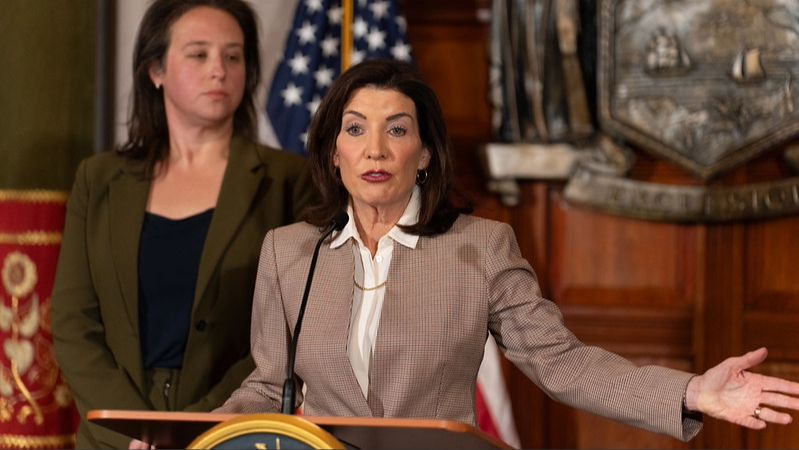
Governor Cathy Hochul, in her latest briefing, revealed that discussions with the Democratic-led Legislature have led to significant advancements in the negotiations. Typically reserved about sharing details from budget discussions, Hochul indicated that a revised proposal would soon be shared after extensive consultation with state lawmakers. These talks have occurred simultaneously with ongoing budget conversations, suggesting a layered approach to governance.
“We have made significant progress with legislative leaders recently, building on the January 30 announcement of the Local Police and Local Crime Act,” Hochul explained. The core philosophy of this initiative is straightforward: local police should prioritize community safety, addressing issues like gun trafficking and violent crime without getting entangled in immigration enforcement.
One of the pivotal topics in these negotiations is the relationship between state and local law enforcement agencies and Immigration and Customs Enforcement (ICE). While there are still concerns among lawmakers and advocacy groups, it appears that Governor Hochul has made some accommodations. The revised proposal seeks to prohibit local law enforcement from coordinating with federal immigration authorities regarding noncriminal matters or collecting and sharing information about individuals’ immigration status without legal necessity.
Importantly, individuals will not be transferred to immigration authorities unless they have a criminal conviction. Additionally, resources from state, local, or educational institutions cannot be utilized for immigration enforcement. Hochul underscored that this does not extend protection to individuals who pose a threat, clarifying that minor immigration offenses will not qualify for these proposed protections.
Hochul’s latest initiative would extend protections for sensitive locations, disallowing ICE interventions without a warrant at sites such as schools and libraries. Another notable aspect of the proposal is the ban on ICE agents wearing masks during operations, a measure pushed by some local lawmakers. However, police may still work with ICE if an individual has a qualifying criminal history, raising concerns about potential misinterpretations of “probable cause.”
Lawmakers and advocates have expressed hesitation regarding this standard, fearing it allows law enforcement too much discretion. Zach Ahmad, a senior policy advisor at the New York Civil Liberties Union, emphasized the risks of a vague probable cause requirement that could lead to unjust detentions. Assembly Speaker Carl Heastie echoed these sentiments, indicating that while some aspects are being resolved, the probable cause issue still requires further discussion.
As negotiations continue, Hochul’s administration is keen to implement safeguards to protect communities from potential overreach by ICE. The timeline for finalizing these agreements remains uncertain, especially with the state budget already over two weeks overdue. Meanwhile, both legislative chambers have passed a budget extension as discussions unfold. Senate Majority Leader Mike Gianaris expressed optimism about making significant progress in the upcoming week.
In addition to immigration matters, Hochul faces challenges regarding climate policies and housing development regulations. Senate Majority Leader Andrea Stewart-Cousins mentioned that changes to environmental quality review laws aimed at facilitating housing construction are nearing resolution. As Hochul engages with various stakeholders on these multifaceted issues, the gradual evolution of her proposals indicates a responsive approach to the complex legislative landscape.
While Hochul’s efforts to reform auto insurance policies also continue, the journey toward reducing fraud and lowering premiums remains a work in progress. As negotiations persist, the administration is focused on balancing the demands of various interests while ensuring necessary protections for New York’s residents.
