


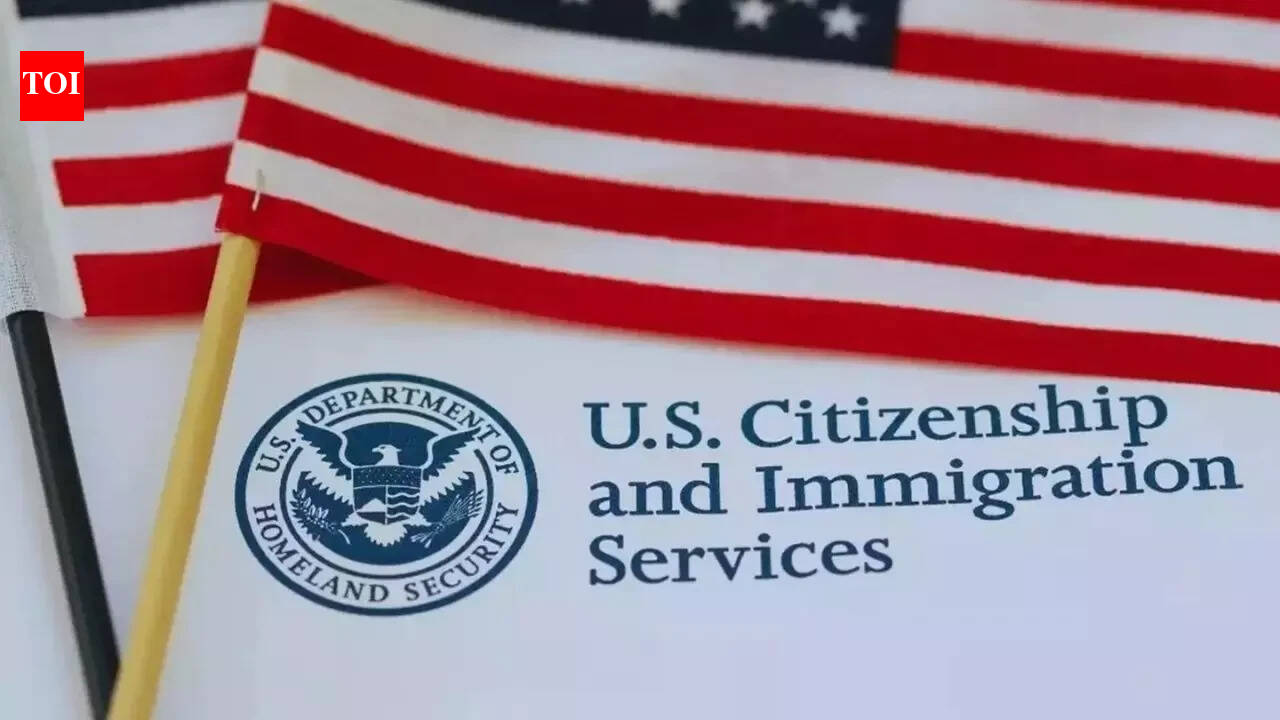
U.S. Citizenship and Immigration Services (USCIS) has issued a new policy memorandum that requires foreign nationals seeking green cards to return to their home countries to apply. USCIS spokesperson Zack Kahler commented that this approach aligns the immigration system with existing legal frameworks, reducing the need for enforcement against individuals attempting to remain in the U.S. unlawfully after residency denial. The agency emphasized that nonimmigrant categories—such as students, temporary workers, and tourists—are intended for brief stays, and should not be pathways to permanent residency.
Implications of the New USCIS Policy for Employees
On May 21, 2026, USCIS released Policy Memorandum PM-602-0199, which instructs immigration officials to adopt more stringent standards for green card applications filed within the United States. This policy underscores that seeking a green card via adjustment of status within the U.S. is an exceptional measure that does not replace the conventional consular visa application process.
Key Provisions of the Memo
The memorandum reinforces USCIS’s authority to deny green card applications at its discretion, regardless of whether the applicant fulfills all requirements. It mandates a more methodical application of this authority by providing immigration officials with specific negative factors to assess, such as immigration violations, fraud, and failure to leave the U.S. as originally planned. To counter these negative aspects, applicants may need to substantiate “unusual or outstanding” circumstances, such as family connections or exemplary moral character.
Practical Considerations for Human Resources
For human resources and mobility teams, this updated policy necessitates a more rigorous approach to green card applications. While many employment-based cases are familiar territory, attorneys must now construct a more compelling argument for why an individual should apply for a green card from within the U.S. instead of abroad. Increased scrutiny is anticipated, requiring comprehensive documentation of the applicant’s ties to the U.S., adherence to immigration laws, and character assessments supported by evidence.
Considerations for H-1B and L-1 Visa Holders
For employees on H-1B and L-1 visas, the new policy highlights that maintaining lawful status alone does not guarantee a favorable determination regarding adjustment of status applications. Previously straightforward cases may now face additional hurdles. Immigration officers will consider applications in light of an applicant’s overall U.S. ties, including tax history and family dynamics, making thorough documentation essential.
Impact on F-1 Students with Optional Practical Training (OPT)
The F-1 visa is designated for individuals with non-dual intentions. When applying through USCIS or at a consulate, these students imply a commitment to returning home post-education. Immigration officials will likely scrutinize a student’s prior declarations about their intentions when they apply for a green card, which could complicate matters significantly. Thus, consulting with an immigration attorney is advisable for F-1 OPT employees seeking permanent residency to navigate these complexities effectively.
Challenges for B-1, B-2, and ESTA Visa Holders
Individuals entering the U.S. on B-1, B-2, or ESTA visas face heightened scrutiny under this new directive. When applying for a green card, immigration officials will be particularly wary of applicants who previously indicated short-term intentions. Those considering this pathway, especially through legal marriage, should consult with their immigration attorneys to understand the potential implications before proceeding.
