


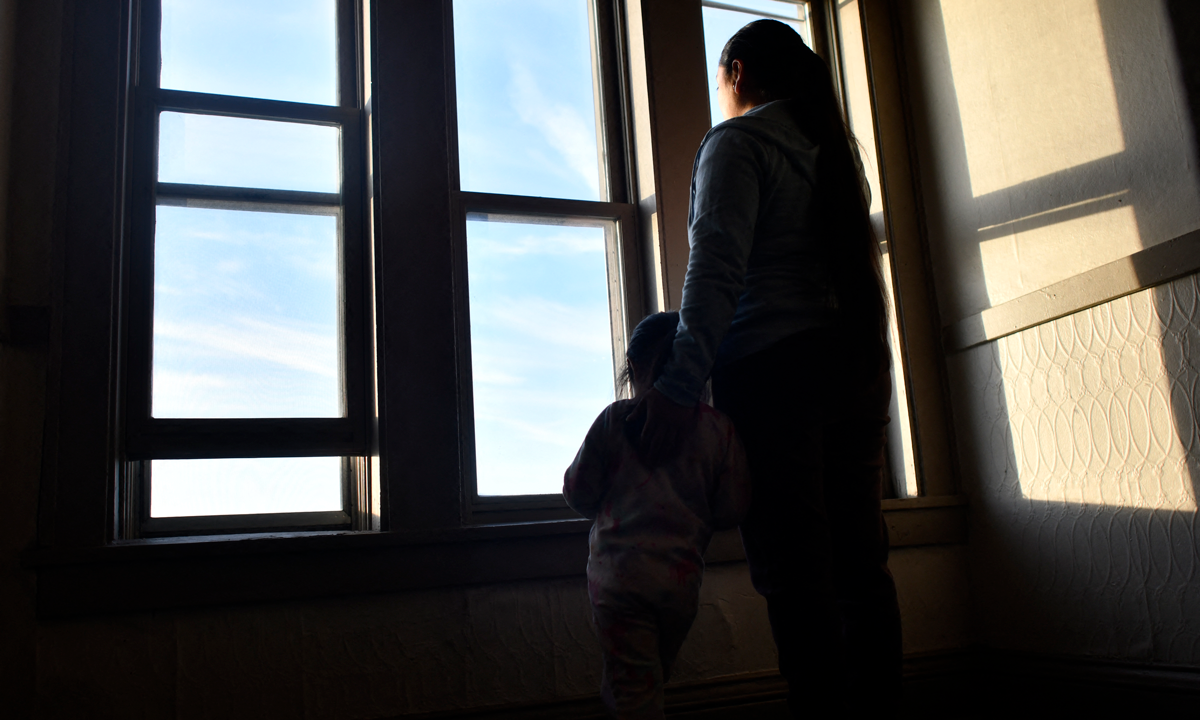
New Lockdown Procedures Implemented at Second Street Youth Center Amid Immigration Concerns
The Second Street Youth Center in Plainfield, N.J., has long practiced lockdown drills for scenarios such as fires or active shooters. Recently, however, the kindergarten has added a new drill specifically addressing a different kind of emergency: the potential presence of immigration and customs agents nearby.
With immigration enforcement intensifying nationwide following the onset of the second Trump administration, both staff and families at the center have faced heightened levels of stress and anxiety regarding the possibility of undercover agents apprehending children on school grounds. Leah Cates, executive director of the Second Street Youth Center, noted this shift in the environment and explained that, previously, educational institutions were shielded from immigration raids under the “sensitive places” policy, a designation that was revoked in January 2025.
Cates expressed relief at having implemented the new lockdown procedures given the alarming circumstances, revealing that the center has already conducted lockdown drills due to these concerns on two separate occasions. One incident was triggered when a teacher heard a child shouting “Pistola! Pistola!”—the Spanish word for gun—after witnessing ICE agents brandishing weapons while attempting to detain someone just outside the school.
Impact of ICE Presence on Children and Staff at the Center
In a swift response, staff had to usher the children indoors and initiate lockdown protocols, she recounted. In the midst of these lockdowns, teachers often take children for walks around the community. During such times, staff diligently use radios to communicate the presence of ICE and make immediate decisions regarding whether to return to school or seek shelter at nearby locations like churches or fire stations.
These anxieties are not baseless; Cates has tracked significant impacts within her community. Out of 210 children enrolled in state-funded preschool programs, five have had a parent or primary caregiver detained by ICE. Many others have family members who have faced similar fates. The center serves a demographic where over 80 percent of students originate from immigrant families, predominantly from Latin America.
The situation at Second Street reflects a broader climate of fear resonating within families and early childhood programs across the U.S., affecting communities in both red and blue states, as well as documented and undocumented households alike. Researchers from the Center for Law and Social Policy (CLASP) are investigating the implications of recent immigration policies on young children and their caregivers to better understand the extent of the trauma being experienced.
Research Findings on Immigrant Families
Between June and December 2025, CLASP convened focus groups with 56 “at-risk” immigrant parents and caregivers responsible for 74 children aged six and under. They also interviewed nearly 70 service providers, including educators and healthcare professionals who interact with these families. The findings, which are detailed in two comprehensive reports, reveal a picture of communities grappling with significant stress and trauma.
According to Kaylin Rapport, a policy analyst at CLASP, the research underscores that caregivers and parents alike struggle to feel safe in a climate of fear. “Children internalize these stressors and pressures,” she stated. Interviews conducted across seven states—Colorado, Georgia, Illinois, Michigan, New Jersey, Texas, and Washington—indicated that immigrant families with young children represent a substantial portion of the population, with 41% in New Jersey alone.
Rapport emphasized the emotional toll on families, noting that many caregivers are hesitant to leave their homes, whether for grocery shopping or work. The pervasive fear leads to an “emotional pressure cooker” scenario, affecting families at all levels. Despite efforts by parents to shield their young ones from these harsh realities, the atmosphere of anxiety often seeps into their homes.
Changes in Children’s Behavior and Community Response
Childcare professionals are observing significant behavioral shifts in children. Suma Sethi, a senior policy analyst at CLASP, indicated that many children are exhibiting clingy behavior, struggling to engage with new people, and becoming increasingly fearful. Cates has noted similar patterns at her center; during daily check-ins about feelings, children have expressed fears tied directly to ICE, revealing both their awareness of threats and the emotional impact on their lives.
As such, the Second Street Youth Center has adopted strict entry rules and increased vigilance regarding its surroundings. Parents are encouraged to report any ICE sightings, and staff are mobilized to ensure the community’s safety. The center has also organized educational events to inform families of their rights and connected with a volunteer immigration attorney to help families prepare for potential emergencies.
This newfound responsibility for childcare providers has taken a toll on staff, many of whom are experiencing increased stress and burnout. “Our primary concern is the health, safety, and well-being of our children,” Cates remarked, highlighting the commitment of her team despite the overwhelming demands placed upon them.
