


This article first appeared on Stateline.
A Significant Increase in Immigrant Arrests Under ICE’s New Classification
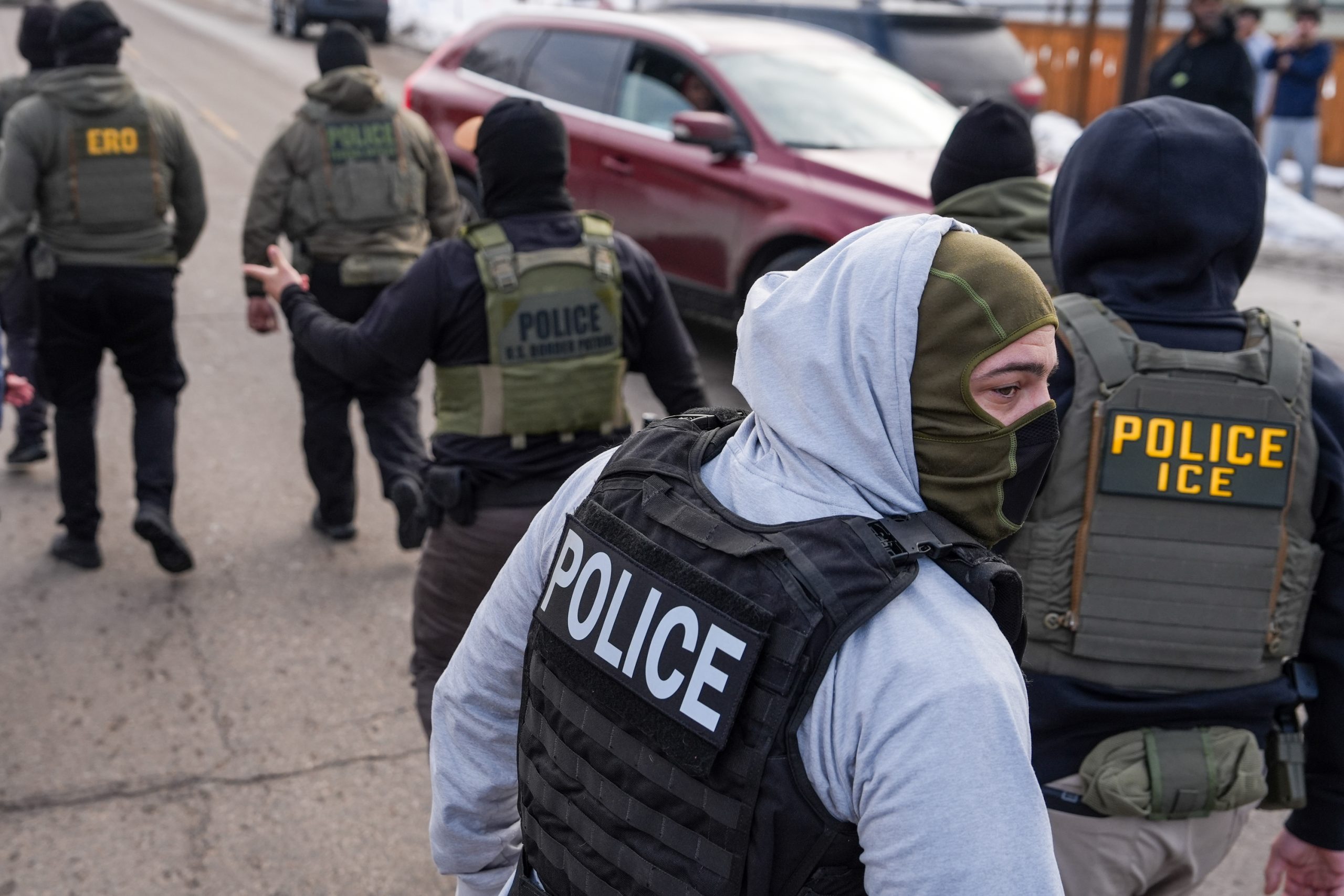
Since August, nearly a quarter of immigrant arrests classified by the U.S. Immigration and Customs Enforcement (ICE) have been categorized as “collateral arrests.” This designation reflects a contentious type of arrest and detention that is often contested in civil rights lawsuits as a last resort. Public backlash and legal challenges surrounding these arrests have led to a notable reduction in the massive raids that previously characterized law enforcement’s approach, which resulted in tens of thousands of arrests between August and early March.
Traditionally, ICE arrests are executed based on pre-existing warrants, often linked to removal orders issued by immigration courts or evidence of crimes warranting deportation. However, collateral arrests emerge from broader enforcement actions, including street sweeps or home searches targeting individuals based on their perceived association with a person wanted on a warrant. This method targets individuals who may face deportation if authorities perceive them as likely to evade arrest.
Data from ICE, analyzed by the Deportation Data Project and reported by Stateline, reveals approximately 64,000 collateral arrests from August through early March, constituting about 25% of the total 253,000 ICE arrests during this time. Alarmingly, around 70% of these collateral arrests involved only immigration-related offenses, in contrast to 41% for arrests with warrants. Notably, fewer than 2% of collateral arrests were linked to violent crimes, one-third the rate of other arrest categories, while only 18% had any criminal convictions compared to 33% among arrests with warrants.
This pattern reflects a troubling trend of increasing arrests for immigration offenses but a decline in arrests associated with serious crimes. Overall arrests surged from around 12,000 in January 2025 to more than 40,000 by December but fell to 30,000 in February. Especially concerning is the spike in individuals apprehended solely for immigration violations or offenses during December and January, the peak months for collateral arrests, which rose to over 50%. During this time, the representation of violent offenders among arrests dropped from 10% to a mere 4%.
ICE’s Policy Changes and Legal Challenges
In January, ICE introduced a new policy allowing for real-time warrant issuance when agents assert that an individual is deportable and poses a risk of absconding, although this policy is currently facing legal scrutiny. Following December’s surge in arrests, data indicates a decline in both the overall number and the percentage of collateral arrests, suggesting these changes may be influencing enforcement strategies.
Colleen Putzel-Cavanaugh, an associate policy analyst at the Migration Policy Institute, observed that public outrage over large-scale raids targeting non-criminal individuals in cities like Minneapolis and Chicago has played a significant role in this shift. She pointed out that such operations appear to have diminished, following substantial community pushback.
The shift in enforcement tactics can also be traced back to the previous administration’s emphasis on mass deportations, which led to an uptick in street arrests, particularly collateral ones. Targeting individuals for arrests typically requires more resources and time, a constraint that may not align with ICE’s mandate for swift action.
Ongoing legal battles are challenging the constitutionality of ICE’s practices. A recent class action lawsuit arose from alleged warrantless arrests in Washington D.C. during ICE sweeps, claiming agents indiscriminately detained Latino residents in violation of established legal standards. Similarly, in North Carolina, a group of residents filed suit alleging they were arrested without warrants during immigration enforcement operations, evoking fears of racial profiling.
Geographic Disparities in Collateral Arrests
Since August, the District of Columbia and Illinois have reported notably high rates of collateral arrests, with over half of arrests in D.C. categorized as collateral, and 41% in Illinois. Eight states, including Alabama, Maryland, and Minnesota, recorded at least 30% of their arrests as collateral. West Virginia has particularly stood out, experiencing a significant surge in immigration enforcement in January, attributed to collaborations between state and local agencies with ICE.
During the eight-month span from August to early March, West Virginia documented 1,831 arrests, equating to about 10% of the state’s projected non-citizen population by 2024. This statistic represents the highest arrest rate in the nation, followed by Wyoming at 7% and Mississippi at 4%. West Virginia’s Republican Governor Patrick Morrissey credited local cooperation under the 287(g) program with assisting in these enforcement efforts, asserting that ICE has enhanced community safety by targeting illegal immigrants. However, records indicate that a vast majority of those apprehended were not violent offenders, raising serious questions about the effectiveness and fairness of these enforcement measures.
Recent rulings emphasize the constitutional challenges surrounding collateral arrests. U.S. District Judge Joseph Goodwin underscored that many detentions occur without the requisite evidence mandated by the law. As these legal disputes continue, the implications for ICE’s operational strategies and community relations remain to be seen.
