


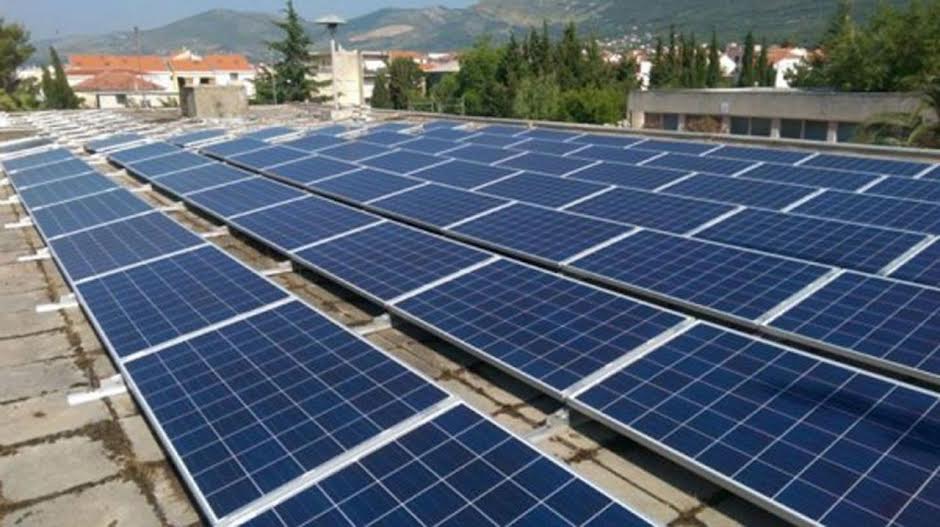
Nigeria Launches National Power Grid for Solar Power Users
The Nigerian Electricity Regulatory Commission (NERC) has opened a national power grid to allow solar power users—referred to as “prosumers”—to sell their surplus electricity back to the grid and receive payment. This innovative policy, however, is hampered by significant gaps in hardware infrastructure, as approximately 90% of Nigeria’s solar inverters are currently incapable of feeding power into the grid. Peter Uzoho reports.
Historic Policy Change for Solar Energy in Nigeria
On June 3, 2026, NERC enacted a groundbreaking policy, enabling residential, commercial, and industrial solar energy users to legally export excess power to the national grid for the first time in Nigeria’s history. This initiative aims to integrate renewable energy more effectively into Nigeria’s power framework.
Prosumers Defined in New Regulations
The 2026 Internet Billing Regulations have established a new category of electricity consumers—prosumers. Owners of solar power systems with capacities ranging from 50 kilowatts peak to 1.5 megawatts peak can now export excess power to designated electricity distribution companies (DISCOs) and receive compensation through an “avoided cost provision” credit. Payments for exports will be multiplied by 0.55 during off-peak hours and by 0.75 during peak hours, specifically from 6 PM to 9 PM when using battery storage.
Mixed Reactions from Solar Experts
The new policy has been positively received by industry experts, including Ola Ogunsemowo, CEO of Kartel Energy Limited, who praised it as a significant advancement for the solar sector. However, he emphasized that substantial challenges remain, particularly around the lack of adequate infrastructure to support this shift. Current hardware limitations may hinder the effective implementation of the policy.
Challenges Facing Solar Power Adoption in Nigeria
The disconnect between ambition and practical execution continues to plague the solar energy landscape in Nigeria. Although NERC has opened up the grid, about 90% of existing inverters in Nigerian households lack the feedback capability necessary to contribute power effectively to the grid. Additionally, with the national electricity grid experiencing multiple collapses—three times in January 2026 alone—concerns arise regarding its capacity to handle an influx of solar-generated electricity.
The Need for Enhanced Infrastructure and Policy Support
Despite aspirations to export electricity generated by homes and businesses, Nigeria faces a stark reality: over 200 million citizens are reliant on a mere 4,000 MW of actual power supply. Experts argue that while prospective prosumer policies have the potential to propel Nigeria’s solar power sector forward, ultimately, robust policy frameworks and infrastructure improvements will determine whether this energy boom becomes a sustainable reality or fades into obscurity.
Implications of NERC’s 2026 Net Billing Regulations
NERC’s 2026 Net Billing Regulations mark the first structured effort to formalize the connection of distributed solar power to Nigeria’s energy grid. The objective is straightforward: to promote renewable energy deployment, enhance energy security, attract private investments, lower emissions, and seamlessly integrate solar power without destabilizing the already fragile grid. Eligible applicants must work with a DISCO, have a solar installation of 50 kWp to 1.5 MWp, and adhere to specific technical and administrative requirements in order to participate.
Growing Demand for Solar Amidst Grid Instability
As Nigeria grapples with ongoing power outages, demand for solar power solutions is likely to surge. The persistent challenges of an unstable grid, high energy costs, and insufficient metering only amplify this need. With diesel and gasoline prices exceeding 1,000 naira per liter, many small and medium-sized enterprises (SMEs) find the operational costs of traditional generators increasingly unsustainable. According to Ogunsemowo, the rise in fuel prices further incentivizes the shift towards solar energy solutions.
