


The Iowa House of Representatives passed a series of immigration and permitting-related bills on Wednesday that establish new requirements for verifying citizenship status in various contexts, including voter registration eligibility.
Verification of Driver’s License Nationality
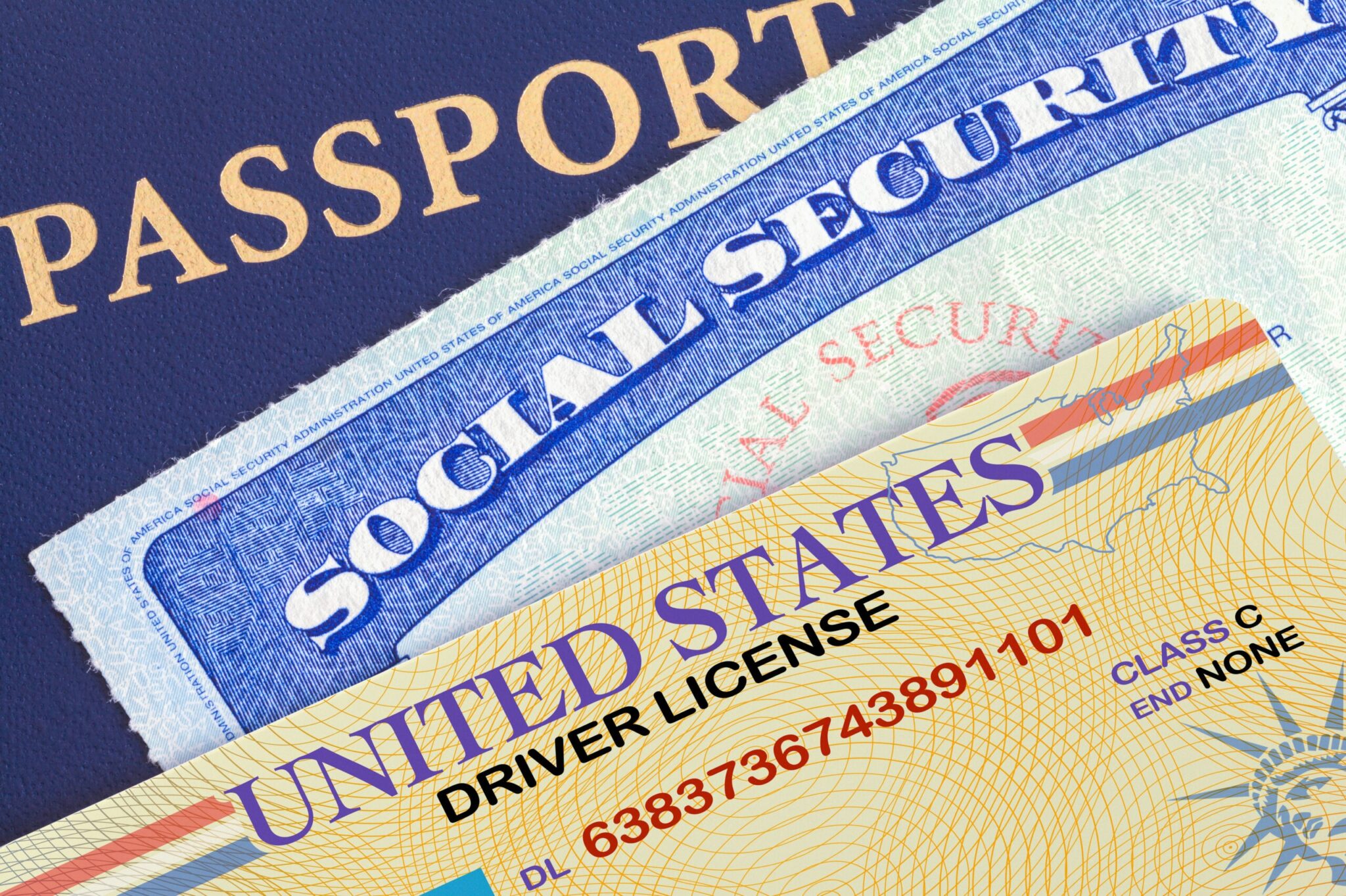
Senate File 2187 received broad support, passing with an 87-8 vote. The bill mandates that the Iowa Department of Transportation (DOT) utilize the federal Systematic Alien Verification for Entitlements (SAVE) database, or an equivalent system, to confirm the citizenship status of individuals applying for or renewing driver’s licenses or non-driver identification cards, in cases where proof of citizenship is not provided.
If a person’s citizenship or immigration status remains unverifiable, the DOT will be prohibited from issuing an ID card to that individual. Rep. Cindy Golding, R-Cedar Rapids, emphasized that this verification process is already in practice by the DOT.
However, Rep. Jeff Cooling, D-Cedar Rapids, raised concerns about potential unintended consequences, particularly for the 20% of Iowans who do not wish to obtain a Real ID, which allows for boarding commercial flights and enters certain federal facilities. Obtaining a Real ID necessitates providing identification documents, including a passport or birth certificate, proof of Social Security number, and two pieces of mail verifying current residence.
Cooling noted that many constituents expressed their intention to avoid the additional requirements introduced by the bill. Golding replied, stating that the proposed legislation does not impede individuals from requesting a license without the Real ID designation.
To accommodate administrative needs, the House amended the bill to set a starting date of March 1, 2027, before sending it back to the Senate for further deliberation.
English Proficiency Requirements for CDL Applicants
Senate File 2426 gained approval in the House with a vote of 73-22, proposing that applicants for a commercial driver’s license (CDL) must demonstrate English proficiency by passing a standardized test. This test is a one-time requirement, although applicants are permitted to retake it as needed.
Failure to exhibit fluency in English while operating a commercial vehicle could result in serious consequences, including being charged with a gross misdemeanor and incurring a $1,000 civil fine.
The initial bill contained penalties for trucking companies employing drivers lacking English proficiency, later amended to classify such violations as simple misdemeanors accompanied by a $10,000 fine per incident. Rep. Elizabeth Wilson, D-Marion, expressed disappointment that the penalties do not include similar prison sentences for employers, yet emphasized the importance of ensuring safety on the roads.
Rep. Ann Meyer, R-Fort Dodge, noted that the adjustments in penalties were aimed at effective law enforcement by imposing financial consequences rather than complicating the prosecution of out-of-state drivers.
The proposed legislation also includes ground-stop orders for airlines that violate the law, prohibiting them from operating in Iowa, a measure that was clarified by the Senate to ensure compliance within state boundaries. The bill is now awaiting the governor’s approval.
Citizenship Verification for Educational Professionals
Measures concerning the citizenship status of educators and civil servants are advancing in both legislative chambers, with the House insisting on amendments to Senate File 2218. This bill is set for discussion in a future conference committee.
Initially, Senate File 2218 sought to establish a requirement for the Iowa Board of Educational Examiners to verify applicants’ legal authorization to live and work in the United States. It also mandated school officials to confirm the employment eligibility of candidates accepting job offers. Educators facing license renewal must provide corroborative evidence of their legal status every five years.
This initiative arose following the 2025 immigration-related arrest of former Des Moines Public Schools Superintendent Ian Roberts, who faced removal orders and prior criminal charges. In response, the House incorporated provisions from Senate File 2412 to enforce the use of the SAVE database and E-Verify system by state licensing boards for citizenship verification.
Additionally, the amendment introduced measures unrelated to citizenship verification, including the denial of pretrial release for undocumented immigrants and classifying illegal voter registration as a Class D felony.
Despite Senate resistance to two combined amendments, discussions revealed significant divergence from the original bill’s intent. Members from both chambers will negotiate the terms in an upcoming conference committee, where the House has named its representatives. The Senate will appoint its members before convening to finalize the bill’s provisions.
