


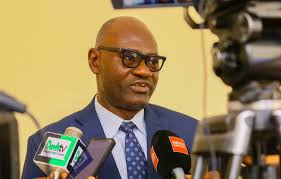
Urgent Call for Adoption of National Peace Policy in Nigeria
Dr. Joseph Ochogu, the Director of the Institute for Peace and Conflict Resolution, has emphasized the need for immediate adoption and implementation of Nigeria’s National Peace Policy. He outlined that the country’s escalating security challenges require a more coordinated and systematic response.
Moving from Rhetoric to Action
During the second High-Level Expert Dialogue on the Draft National Peace Policy in Abuja, Ochogu articulated that achieving peace in Nigeria is not merely a luxury but a fundamental duty. He urged stakeholders to transition from discussions to tangible actions that create an effective framework for lasting peace.
Addressing Critical Security Issues
Ochogu described Nigeria as being at a “critical crossroads,” highlighting ongoing security issues such as insurgency in the northeast, disputes between farmers and herders in the north-central region, rising separatist sentiments in the southeast, and rampant banditry and kidnappings in the northwest. He stressed that these complex challenges necessitate more than a singular response.
Framework for Effective Peacebuilding
He articulated the pressing need for a comprehensive strategy that integrates efforts across various governmental levels, ensuring that outcomes are measurable and focused on people’s needs. Ochogu pointed out significant gaps in Nigeria’s current peacebuilding framework and lamented the lack of a unified policy to coordinate interventions from governmental, civil society, and developmental partners.
Adding Legitimacy to Peacebuilding Initiatives
According to Ochogu, the proposed National Peace Policy aims to legitimize a more integrated peacebuilding framework, reducing the ad hoc nature of interventions and increasing accountability within Nigeria’s governance systems. He underscored the importance of shifting from reactive crisis management to a more proactive and evidence-based approach to peacebuilding.
Integration Across Sectors
In discussing the policy’s implications, Ochogu stated that peacebuilding should not operate in isolation but should be integrated into key sectors like security, justice, education, and economic planning. This approach necessitates an organizational framework that outlines roles and resources clearly.
Global and Regional Alignment
Emphasizing Nigeria’s alignment with international frameworks, Ochogu noted that the policy reflects commitments to the United Nations, African Union, and ECOWAS. Nonetheless, he warned that mere dialogue is insufficient for implementation, calling for strong interagency collaboration and political will to move from development to execution.
Responding to Evolving Threats
He highlighted that stakeholders are actively working to develop an implementation framework, which will be submitted for approval to the Federal Executive Committee. The dialogue surrounding the Draft National Peace Policy stems from a 2012 initiative that intended to establish a comprehensive conflict prevention and peacebuilding framework. Given the dynamic nature of societal threats, including banditry and climate change, current realities demand a review and modernization of this policy to effectively address Nigeria’s shifting peace and security landscape.
