


Urgent Call to Address Challenges in Nigeria’s Telecommunications Sector
ipNX, Nigeria’s leading technology company, is urging immediate action to tackle the critical challenges that are stifling growth in the country’s telecommunications sector. Key issues including inadequate power supply, poor security coordination, and restrictive investment conditions have been identified as significant barriers to progress.
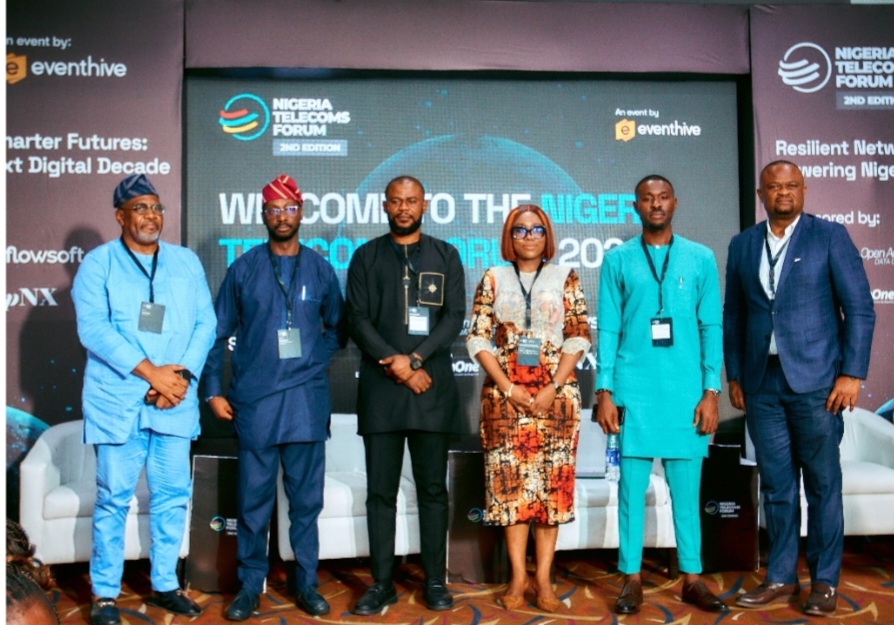
Insights from the Nigeria Telecommunications Forum 2026
This call to action was articulated by Mr. Olusei Lala, CEO of the company’s IpNX business unit, at the Nigeria Telecommunications Forum 2026 held in Lagos. Lala underscored the necessity of fostering collaboration among telecommunications carriers, government agencies, and investors to create a more stable and future-ready digital economy. He emphasized that the sector can no longer depend on isolated initiatives to meet the surging demand for data, connectivity, and digital services.
Cybersecurity as a Critical Focus
Central to Lala’s address was the issue of cybersecurity. He cautioned that as Nigeria embraces advanced technologies like 5G and cloud services, the associated risk of cyber threats is on the rise. Lala pointed out that many industry stakeholders mistakenly believe that vendors and service providers have already fortified their systems against potential threats, leaving critical vulnerabilities unaddressed.
The Necessity for Coordination Against Cyber Threats
Lala stated that cybersecurity has transitioned from being a secondary consideration to a fundamental requirement for the survival of the telecommunications industry. He advocated for a coordinated approach to threat detection and response to safeguard critical infrastructure. Enhanced cooperation among carriers, regulatory bodies, and security agencies is vital for maintaining network stability and protecting users.
Power Supply: A Major Barrier to Growth
Industry leaders present at the forum pointed out that, aside from security issues, unreliable power supply is one of the most significant obstacles to growth in the telecommunications sector. They urged the power sector to declare a state of emergency, as operators are incurring high costs on diesel and generators to maintain network operations, which adversely affects service quality.
Financing Challenges Impeding Investment
Participants also voiced concerns regarding the financial hurdles that telecom companies face. The recent depreciation of the naira has prompted cautious approaches from institutions like the African Finance Corporation, hampering the attraction of long-term investments. To bolster investor confidence, stakeholders suggested adopting more robust business practices and emphasizing environmental, social, and governance (ESG) strategies, which can facilitate access to global capital, particularly in green and sustainability-focused investments.
Collaboration for a Resilient Future
Forum organizer Jamiu Ijaodola remarked that the industry has reached a critical juncture where collaboration is essential. He highlighted the importance of platforms like the forum in aligning stakeholder objectives, sharing innovative ideas, and building a more secure and resilient communications ecosystem. Discussions also stressed the need for improved government policies and regulations that support infrastructure development and encourage innovation, ensuring long-term stability in the sector.
ipNX reiterated its commitment to fostering partnerships across the industry and driving transformative initiatives that support growth. Experts at the forum concurred that with enhanced power supply, fortified cybersecurity measures, better access to financing, and effective cooperation, Nigeria’s telecommunications sector is poised for accelerated expansion and the capability to serve millions of users nationwide effectively.
