


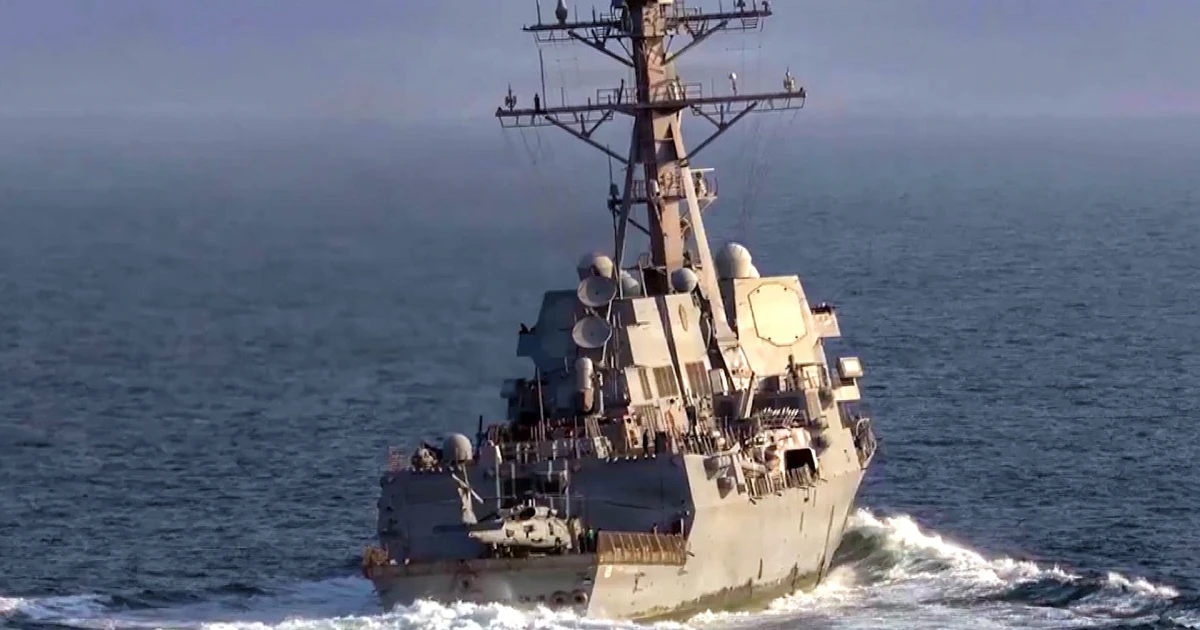
U.S. Military Actions Reflect on Iran’s Regional Tensions
U.S. Central Command has confirmed that at least ten vessels traveling to and from Iran have been halted due to a partial blockade of the strategic Strait of Hormuz. This vital waterway is critical for global oil shipments, and the Iranian military has issued warnings indicating that continued restrictions may lead to disruptions in maritime traffic throughout the area.
Broader Implications of U.S.-Iran Relations
The situation underscores the escalating tensions between the U.S. and Iran, with recent military maneuvers drawing the attention of global markets. Traders are closely monitoring this development, as any significant disruption to oil flow through the Strait could have substantial implications for crude oil prices. Rising tensions in this region have historically resulted in volatility in energy markets, prompting further scrutiny from stakeholders in finance and business.
Global Response to the Maritime Blockade
As the Iranian government warns of possible retaliation should the blockade persist, international observers express concern over increased risks in the region. An analyst from a leading energy consultancy noted that the blockade could exacerbate an already precarious situation, potentially impacting international shipping routes and energy supply chains.
The Impact of Iranian Military Threats
Iran’s threats to disrupt maritime traffic are not unprecedented. Previous incidents have stirred fears among traders and insurers, who often face increased premiums when navigating high-risk areas. The Persian Gulf, and particularly the Strait of Hormuz, remains a focal point for geopolitical strife, with far-reaching consequences for global commerce.
Responses from Global Businesses
In light of these developments, major oil companies and financial institutions are recalibrating their strategies to mitigate risks associated with fluctuating oil prices. Oil traders are noting a rise in price volatility, further necessitating hedging strategies to protect against unforeseen market shifts.
The Role of International Diplomacy
As tensions continue, diplomatic efforts may play a crucial role in stabilizing the situation. Various nations and international organizations are likely to engage in discussions to facilitate dialogue between the U.S. and Iran, aiming to reach agreements that de-escalate military actions and restore secure maritime routes.
Long-Term Outlook on U.S.-Iran Relations
The outcome of the current standoff may influence U.S.-Iran relations well into the future. Analysts posited that if tensions can be defused without further escalation, it might open avenues for renewed diplomatic engagement, which could benefit both regional stability and international trade. Nevertheless, the ongoing blockade and Iran’s military posture will remain critical issues for stakeholders across industries.
