


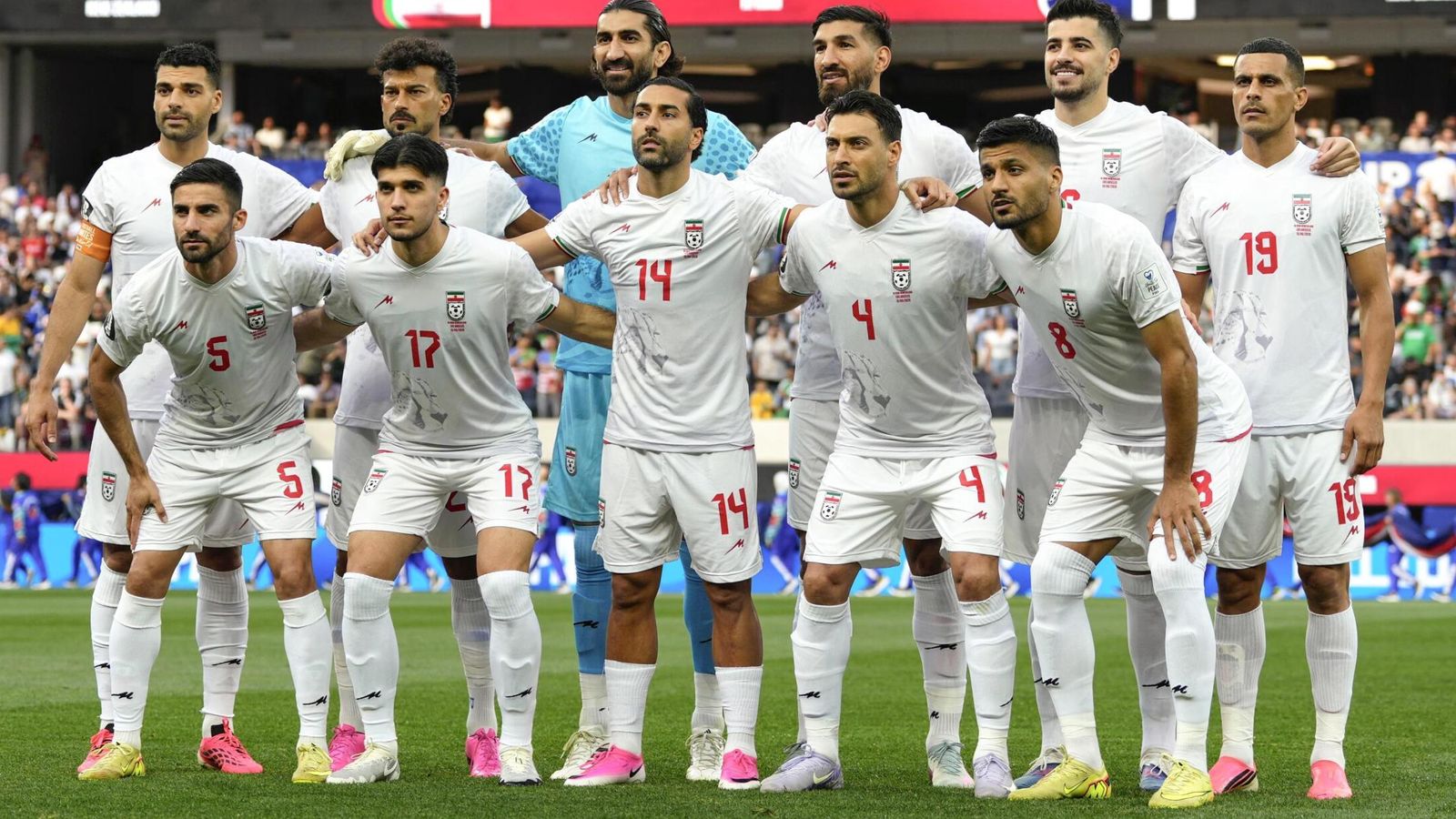
Iranian Team Criticizes Treatment at World Cup
Iran’s head coach, Amir Galenoei, has vocally condemned the treatment the Iranian team has received in the United States, describing them as “the most oppressed” squad at the World Cup. The team’s preparations have been substantially hampered by ongoing tensions between Iran and the U.S., leading them to relocate their training camp to Mexico.
Support from Iranian-American Fans
Iran’s Group G opener against New Zealand ended in a 2-2 draw, drawing enthusiastic support from the Iranian-American community. Over 70,000 fans at SoFi Stadium in Los Angeles expressed their passion, with many singing the national anthem in solidarity with the players.
Complex Circumstances Surrounding Team’s Participation
Initially, many did not expect Iran to qualify for the finals, particularly after a bombing campaign led by co-hosts the United States and Israel in February raised concerns. While a peace deal was reportedly reached on Sunday, the fallout from this situation is evident in the complexities surrounding the team’s involvement in the tournament. Galenoei has been outspoken in his criticism of U.S. authorities for the struggles they are facing.
Logistical Challenges for the Squad
Galenoei highlighted the logistical issues his team has encountered, stating, “We have spent so much time commuting in the air. After today’s game, they didn’t give us time to recover. They told us we had to leave immediately.” He expressed frustration, explaining that despite the need for recovery time, the team was instructed to return to Tijuana shortly after the match.
Team’s Institutional Challenges at the Tournament
Galenoei further emphasized the constraints the team faces: “Our squad is the most suppressed in the entire World Cup. We don’t have a federation here. Our media presence is minimal, and many in our management structure are absent. This lack of support significantly impacts our performance.” The coach’s sentiments echo a larger concern regarding the team’s overall organization and readiness.
Captain’s Discontent with Management Issues
Iran’s captain, Mehdi Taremi, characterized the team’s situation as a “disaster.” Notably, FIFA President Gianni Infantino visited the dressing room to offer assistance, reportedly assuring players that they are “writing history” and that he would do everything possible to facilitate the team’s travel for future matches. Taremi lamented the absence of crucial support staff, stating, “We don’t have a president or many staff members here. It’s critical for our performance.”
Mixed Reactions During the Match
The atmosphere surrounding Iran’s first match was marked by stark contrasts. Protests demanding political changes in Tehran erupted outside SoFi Stadium, while inside, the crowd’s reactions were mixed. Fans booed during the national anthem but erupted in cheers when the team was featured on the giant screen before kick-off. The predominantly Iranian community in Los Angeles, many of whom fled during the 1979 Islamic Revolution, expressed strong anti-establishment sentiments, further complicating the narrative of national pride versus political dissatisfaction.
