


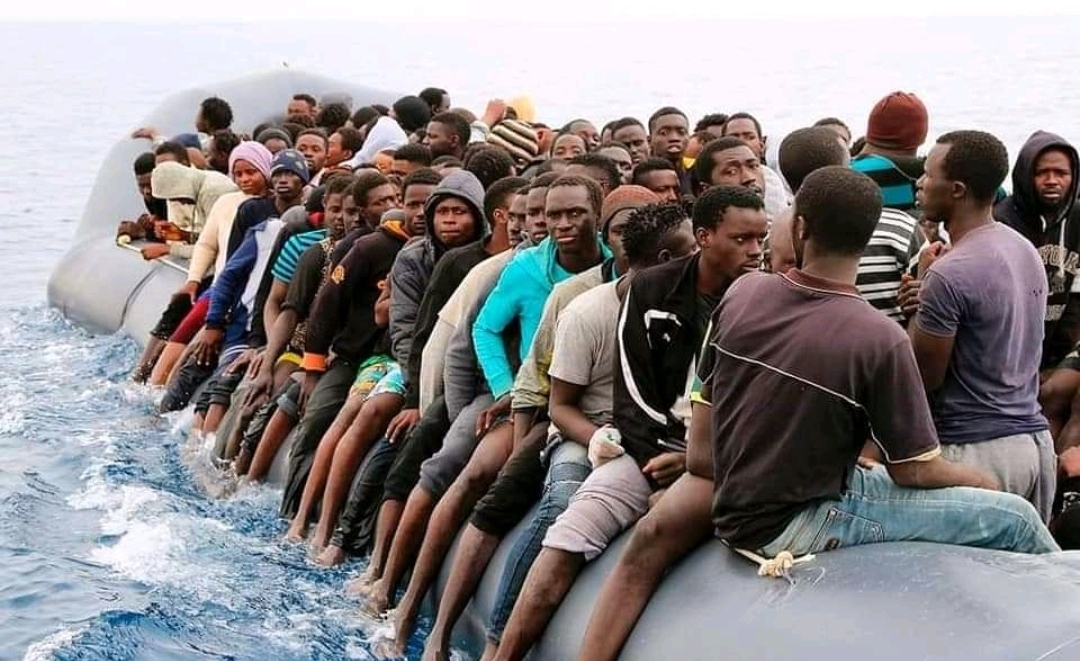
Border Enforcement Struggles Amid Rising Irregular Migration in The Gambia
Despite heightened border enforcement measures, irregular migration continues to pose significant security and humanitarian challenges in The Gambia. Authorities have cautioned that increasingly sophisticated migrant smuggling networks are taking advantage of weaknesses within the border control system.
Operational Insights from the Gambia Immigration Department
This warning is detailed in a recent operational report from the Gambia Immigration Department (GID), released during the ECOWAS Parliament’s 6th National Participation on the Dangers of Illegal Migration and Modern Slavery in Banjul. The report emphasizes that, in spite of ongoing efforts to combat irregular migration, The Gambia remains a key country of origin, transit, and destination along the Atlantic migration route.
Exploitation of Vulnerabilities by Smuggling Syndicates
Organized smuggling syndicates are exploiting the nation’s porous borders and vulnerable coastal communities, as well as established regional migration corridors, to facilitate the movement of migrants across West Africa and towards Europe. The GID’s findings clarify the extent to which these networks are capitalizing on existing vulnerabilities.
Increase in Voluntary Returns from North Africa
The report highlights a notable rise in the number of Gambians voluntarily returning from North Africa. Data from the Immigration Bureau indicates that voluntary returns surged from 466 in the first quarter of 2026 to 575 in the second quarter, with over half of these returnees coming from Libya. This increase has been attributed to intensified migration enforcement and rescue operations along the central Mediterranean route.
Rising Deportations Reflect Stringent European Immigration Policies
In tandem with the surge in voluntary returns, the report also recorded a 24.8% increase in deportations from Europe. The number of deportees grew from 137 in the first quarter to 171 in the second quarter, with Germany and Italy accounting for nearly half of these deportations. GID has warned that these numbers could rise further as European nations continue to tighten their immigration policies.
Demographics of Migrants and Challenges in Child Protection
The report sheds light on the regional dimensions of illegal migration, revealing that the majority of migrants processed by officials were nationals of ECOWAS member states, particularly Senegal, Gambia, Guinea, and Mali. While adult males continue to constitute the majority, there is a concerning rise in the number of women and children among mixed migration flows. Of the 2,496 migrants processed during this period, 164 were minors, underscoring the urgent need for stronger child protection measures and enhanced strategies to combat human trafficking.
Barriers to Effective Border Management
The ministry has cited several critical factors impeding efforts to dismantle migrant smuggling networks, including inadequate patrol and surveillance equipment, limited operational funding, insufficient legal frameworks, and complicity in certain border areas. The GID has warned that without sustained investments in border management and increased regional cooperation, migration pressures are unlikely to diminish.
Urgency for Coordinated Responses to Irregular Migration
The findings from the report align with the ongoing efforts of ECOWAS to advocate against illegal migration and modern slavery throughout West Africa, given the rising humanitarian toll from perilous migration routes. While the ECOWAS Protocol on Free Movement guarantees the rights of member state nationals to travel, reside, and establish businesses, member states have consistently asserted that this protocol does not extend to irregular migration facilitated by criminal networks. The latest findings have intensified calls for a coordinated regional response involving stronger border security, enhanced information sharing, public awareness initiatives, and expanded economic opportunities aimed at addressing the fundamental drivers of irregular migration across West Africa.
