


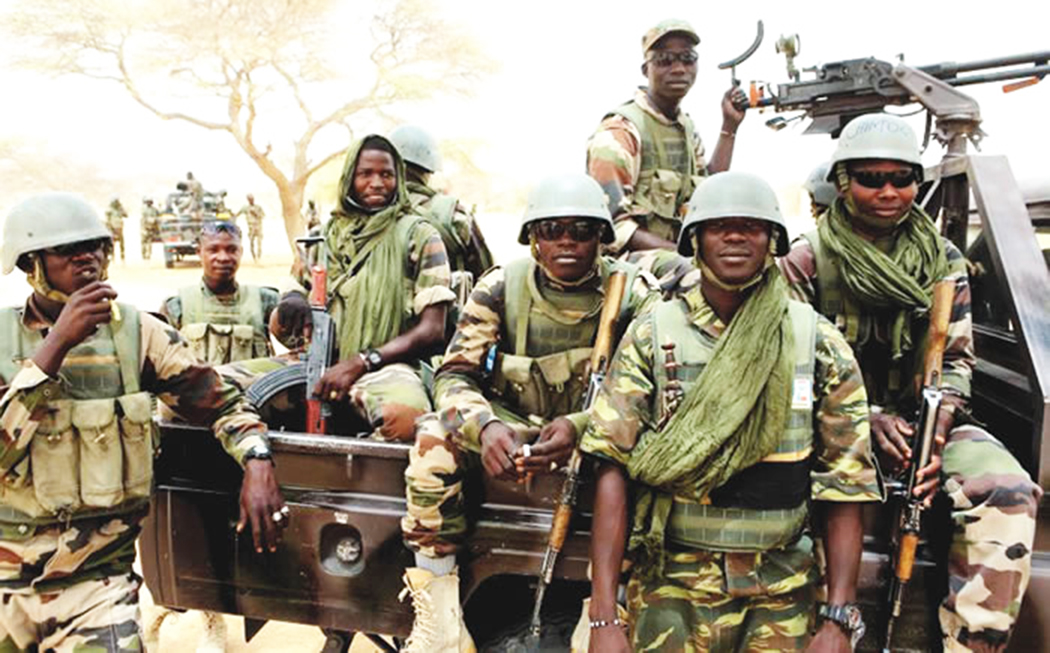
Increased Military Pressure Leads to Key Surrender of ISWAP Commanders
Forces from Operation Hadin Kai have intensified their efforts against terrorist elements in the Lake Chad region, resulting in the surrender of two senior commanders from the Islamic State West Africa Province (ISWAP). This development marks a significant milestone in the military’s ongoing campaign against terrorism and underscores the effectiveness of its strategies aimed at dismantling rebel strongholds across the Northeast.
Identification and Custody of Surrendered Commanders
In a statement from Lt. Col. Haruna Sani, the Acting Media and Information Officer for Operation Hadin Kai, the surrendered terrorists were identified as Ismail Mohammed and Abu Umar. Both individuals are now in military custody, where they are undergoing profiling and interrogation processes that are crucial for uncovering further intelligence.
Strategic Roles within ISWAP
Preliminary assessments indicate that these two commanders held significant positions within ISWAP’s hierarchy, particularly along the Mangali axis in the Lake Chad region. Ismail Mohammed, noted as a close ally of the group’s senior leader, Baa Shuwa, possesses extensive knowledge of ISWAP’s command structure and operational strategies.
Expertise of Abu Umar
Abu Umar is recognized within terrorist networks as a proficient explosives expert responsible for the design and maintenance of vehicle-borne improvised explosive devices (VBIEDs) and other vital combat support equipment utilized by rebel forces. His technical expertise has been an asset to ISWAP’s operational efficacy.
Impact of the Surrender on ISWAP
Further interrogation has revealed that another prominent terrorist, Mohamed Khalifa, a member of the ISWAP Shura Council, was neutralized during a joint operation executed by Operation Hadin Kai. Military officials have characterized the surrender of these two commanders as a substantial blow to ISWAP, especially considering their accumulated influence and operational experience within the militant network.
Continued Pressure and Deteriorating Morale
The strategic decision by these commanders to surrender underscores the effectiveness of the mounting offensive operations led by Operation Hadin Kai forces. These operations, often supported by precision engagements in collaboration with allies, have made it increasingly difficult for militants to sustain their activities. The ongoing military pressure is disrupting operational networks, compelling more insurgents to abandon their cause as they seek to escape the relentless pursuit of government forces.
Commitment to Dismantling Terrorist Networks
Operation Hadin Kai has reaffirmed its commitment to maintaining pressure on all terrorist factions. The military remains dedicated to seizing every opportunity to dismantle terrorist infrastructures and restore lasting peace and stability to the affected communities in the region.
