


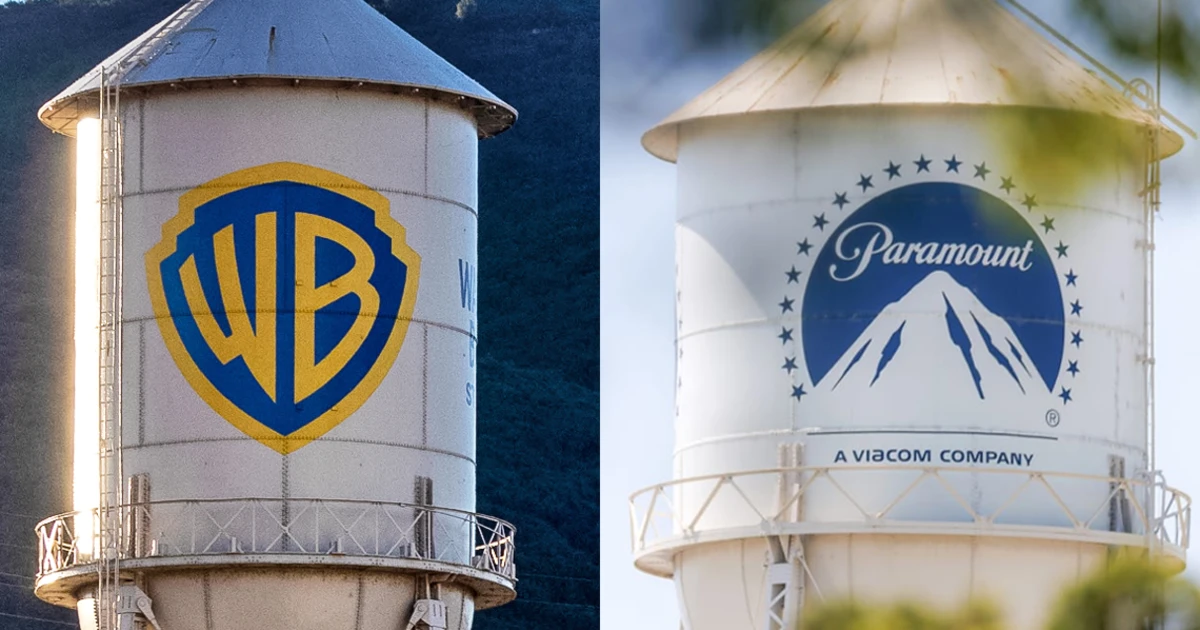
Paramount’s Merger with Warner Bros. Discovery Faces Legal Challenges
Paramount’s acquisition of Warner Bros. Discovery has encountered a significant hurdle as a federal judge granted a temporary restraining order aimed at blocking the $110 billion merger. This decision came in response to a lawsuit filed by a coalition of 12 state attorneys general.
Judge Issues a Temporary Restraining Order
U.S. District Judge Araceli Martinez-Holguin from the Northern District of California has barred Paramount from finalizing the deal, which seeks to merge two movie studios, two streaming platforms, and two news organizations under the direction of David Ellison, son of billionaire Larry Ellison.
Upcoming Hearing on the Merger
The temporary restraining order is set to remain in effect for 14 days, with a hearing scheduled for August 3. During this session, the court will address the states’ motions for a preliminary injunction to halt the merger while legal proceedings unfold.
Concerns About Competition in Hollywood
California Attorney General Rob Bonta leads the plaintiffs in alleging that the merger would significantly reduce competition in Hollywood. In their 38-page complaint filed on July 13, they argue that this corporate consolidation would “eliminate competition” and harm consumers.
Antitrust Implications of the Merger
Bonta asserted that the merger between these entertainment giants would lead to inflated prices, diminished quality, and limited content availability for movies and television. He emphasized that this would have adverse effects on movie theaters, cable distribution firms, and audiences nationwide.
Paramount’s Response to Legal Challenges
In fierce opposition, Paramount contends that the allegations are unfounded, describing the states’ actions as “incorrect in both fact and law.” A spokesperson for the company expressed confidence that evidence would prove the antitrust claims raise no legitimate concerns regarding market realities.
Potential Financial Penalties and Regulatory Approvals
The urgency to complete the merger is underscored by an agreement to pay Warner Bros. shareholders a “ticking fee” of 25 cents per share if the deal is not finalized by September 30, potentially amounting to over $600 million in penalties per quarter. Paramount has already secured regulatory approval from the Department of Justice and similar endorsements from other nations, including Australia and China.
Broader Implications and Opposition to the Merger
While the state-led lawsuit represents a significant threat to the merger, it is not the only challenge facing Paramount. European Union regulators are currently scrutinizing the agreement, and Britain’s culture secretary has expressed intentions to intervene due to concerns about media ownership concentration. Additionally, the Writers Guild of America has filed its own suit, arguing that the merger could suppress wages and job opportunities in the industry.
Political Dimensions of the Proposed Merger
The merger has attracted political attention as well, given Larry Ellison’s connections to former President Donald Trump. Recently, Trump publicly supported new ownership for CNN, adding a layer of complexity to the proposed transaction. As the merger moves forward, it remains to be seen how these legal and political dynamics will evolve.
