


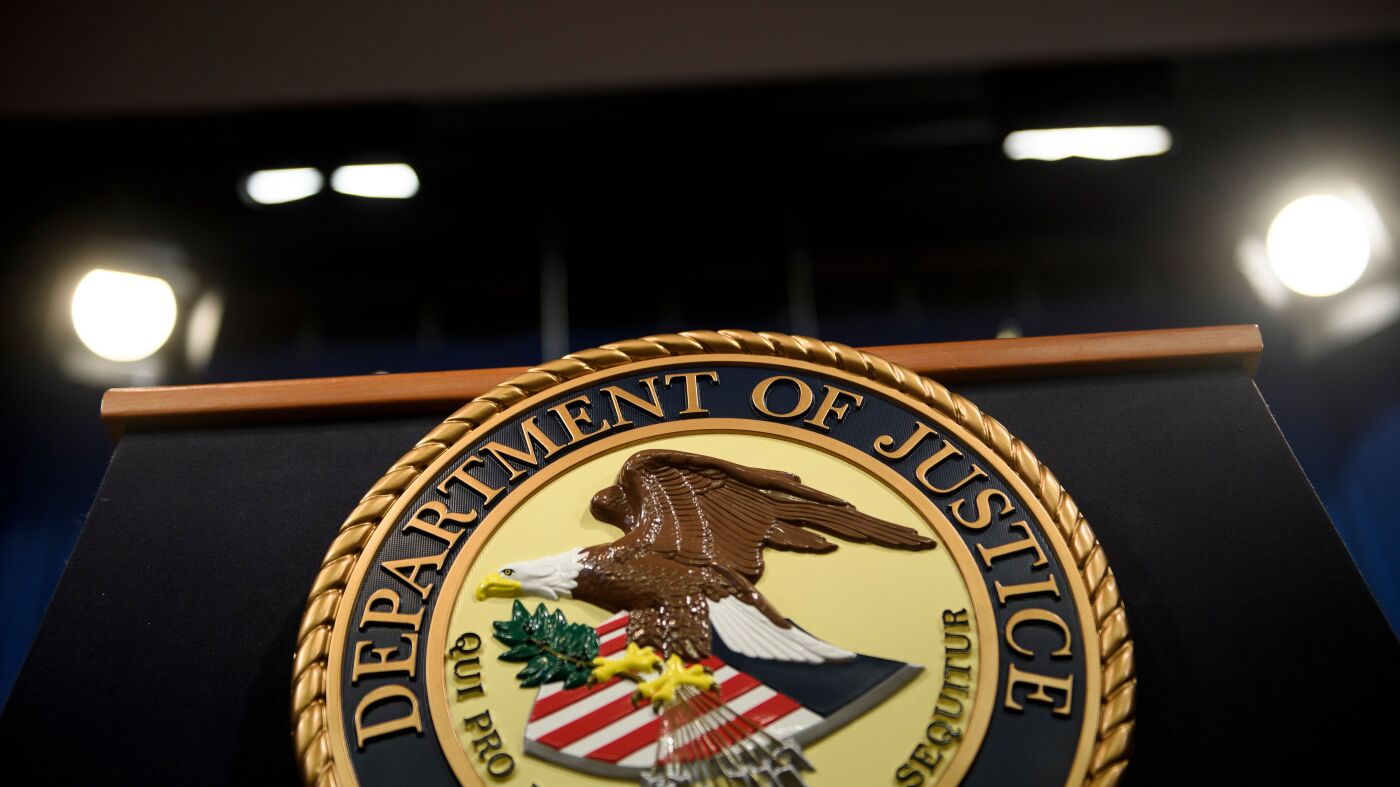
The order in the case involving Catalina “Xochitl” Santiago came from the Board of Immigration Appeals, an administrative court within the Department of Justice. Brendan Smialowski/AFP via Getty Images Hide caption
Brendan Smialowski/AFP via Getty Images
The Trump administration is taking new measures that could facilitate the deportation of immigrants safeguarded by the Deferred Action for Childhood Arrivals (DACA) program. A recent ruling issued by the Board of Immigration Appeals (BIA) indicates that being a DACA recipient does not provide adequate grounds for exemption from deportation procedures.
A panel of three appellate immigration judges aligned with the Department of Homeland Security (DHS) attorneys who had contested an Immigration Judge’s previous decision to halt removal proceedings for Catalina “Xochitl” Santiago, citing her DACA recipient status. The case has been referred back to another immigration judge for further examination.
While the recent ruling does not guarantee immediate deportation for Santiago, it raises concerns about the potential erosion of DACA protections for countless individuals. Santiago’s case gained national focus after she was apprehended by Customs and Border Protection agents at the El Paso airport while boarding a domestic flight in August. Following her detention, a federal judge ordered her release last October, after which she began contesting the deportation threat within the immigration court framework.
The BIA functions as an administrative court under the Department of Justice. Following debates at the immigration court level, both Immigration and DHS possess the right to appeal a ruling to the BIA. Decisions made by the BIA establish precedents, affecting how immigration courts nationwide approach similar rulings and helping to shape public understanding of immigration law and policy. This latest ruling exemplifies the administration’s ongoing efforts to dismantle protections for DACA recipients.
Juliana Macedo de Nascimento, deputy director of advocacy and campaigns at United We Dream, a prominent organization championing immigrant rights, expressed concern over the implications of this ruling. She highlighted that DACA has faced persistent, politically motivated challenges over the past decade. This decision reflects a gradual dismantling of the program’s protections, without the government formally repealing it, resulting in tangible consequences for affected communities.
The BIA’s preliminary decision indicates that Judge Michael Preters, who ended the deportation proceedings, has been vocally critical of DACA-related issues, particularly regarding the involvement of DHS in Santiago’s case due to his marriage to Democratic Rep. Veronica Escobar, representing El Paso. The BIA, however, dismissed this argument, stating that the immigration judge erred in concluding that Santiago’s DACA status was enough to terminate the proceedings.
DACA, established in 2012 to protect undocumented children who entered the U.S. before 2007, currently safeguards approximately 500,000 individuals. Officials indicated that last year, the DHS began urging DACA recipients to consider voluntary deportation, asserting that the program does not automatically grant legal status. Although DACA provides temporary relief from deportation, it does not lead directly to citizenship or a green card, requiring participants to renew their status biannually.
The Trump administration seeks to curtail benefits for around 505,000 DACA recipients, referred to as Dreamers, though no formal regulatory changes have been enacted to abolish the program. Recent announcements from the Department of Health and Human Services underscore this plight, as it stated DACA recipients would be excluded from the federal health care marketplace. Additionally, the Department of Education is contemplating how to provide financial aid to these individuals, reflecting the broader impact of the administration’s policies.
Data reported earlier this year by then-Homeland Security Secretary Kristi Noem revealed that, between January and November, 261 DACA recipients were arrested, with 86 deported. Noem reinforced her stance that DACA is temporary, noting that no recipient has an unequivocal right to remain in the U.S. indefinitely.
The DHS has yet to respond regarding the potential risks faced by active DACA recipients following this ruling. Within the broader context, the BIA’s recent actions illustrate a significant shift in immigration policy under the current administration.
Trends in Immigration Court Decisions Under Trump
In the past year, attorneys from Immigration and Customs Enforcement, representing DHS within immigration courts, have escalated their appeals to the BIA. An NPR analysis indicates that last year, the BIA sided with government attorneys in 97% of the published cases, marking a notable increase of at least 30 percentage points over the average from the preceding 16 years.
This trend complicates the ability of immigration courts to grant bonds for immigrants being held in detention. The parameters for deportation to countries other than immigrants’ nation of origin have also been eased. Proposed regulations are further tightening the mechanisms through which individuals can challenge immigration decisions, indicating a determined shift in policy.
Last year alone, the BIA published a record 70 precedent-setting decisions, reshaping the landscape for immigration law across the nation. It is important to note that the Immigration Court operates under the Department of Justice’s Office of Immigration Review and is not part of the judicial system, further emphasizing the unique challenges faced by immigrants in navigating their legal status.
