


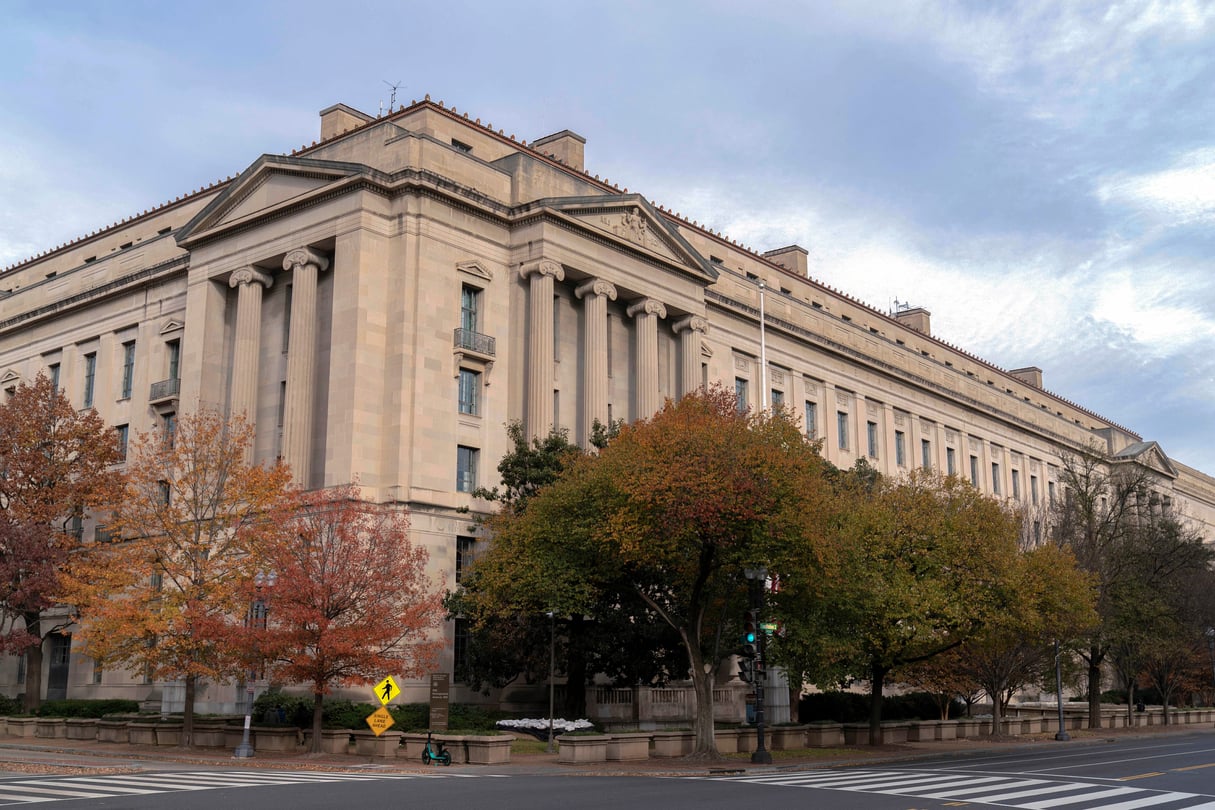
Trump Administration Files Landmark Petition to Expel Foreign Terrorists
The Trump administration has initiated a significant legal action by filing its first petition before a rarely-used court designed to process requests for the removal of “foreign terrorists” from the United States. This tribunal, officially known as the Tribunal for the Elimination of Foreign Terrorists, was established in 1996 but has remained inactive until now.
Unprecedented Legal Action
On Wednesday, the Justice Department submitted an application seeking the deportation of certain individuals, whose identities are not disclosed. This landmark petition marks the first time the tribunal has received an application, as noted in a one-page document on the court’s official website.
Court’s Examination of the Petition
Chief Justice Joanne Ericksen, who presides over the five-member court, provided insights following a hearing on Thursday. She stated that the court had raised important questions about the connections between the government’s allegations against the respondents and the specific legal provisions that the administration cited to support its case.
Call for Additional Information
In her written response, Judge Ericksen expressed that the information presented allowed the court to determine that the government might benefit from a more thorough examination of its claims. She directed the Justice Department to submit additional details by the following Wednesday.
Legal Framework Behind the Tribunal
The tribunal operates under the Anti-Terrorism and Effective Death Penalty Act of 1996, which grants the attorney general authority to file sealed applications for the deportation of suspected foreign terrorists. Should a petition be approved, the court is obligated to conduct a hearing in which the government must demonstrate that the individual in question fits the definition of a “foreign terrorist.” These applications require endorsement from either the Attorney General or the Deputy Attorney General.
Defining a Foreign Terrorist
According to federal law, an individual may be labeled a “foreign terrorist” if they have engaged in terrorist activities, provided support for such activities, or belonged to a political or social group that promotes terrorism. These criteria could pave the way for broad interpretations, raising concerns among civil liberties advocates.
A New Era for National Security Measures
This tribunal has not been operational since its inception, with no previous applications or hearings reported until recently, as noted on the Federal Judicial Center’s website. The court consists of five judges appointed by Chief Justice John Roberts.
Previous Activities and Judicial Commentary
Last year, the Trump administration intensified efforts to deport Venezuelan immigrants, leveraging the 1798 Wartime Act, known as the Alien Enemies Act, to target individuals accused of affiliations with terrorist groups. Notably, Washington Chief Judge James Boasberg indicated that the Foreign Terrorist Elimination Tribunal would be the appropriate venue for evaluating deportation requests based on national security concerns.
As the landscape of immigration and national security continues to evolve, the court’s first petition highlights a potentially transformative shift in the government’s approach to counter-terrorism and immigration enforcement.
This developing story was initially reported by the independent news outlet Court Watch.
