


Ukraine Marks 40 Years Since Chernobyl Disaster
On Sunday, Ukraine commemorates the 40th anniversary of the Chernobyl nuclear power plant explosion, which remains the most devastating civilian nuclear disaster in history.
With the ongoing conflict following Russia’s invasion four years ago, nuclear facilities in the region are once more under threat, heightening the risk of another radiological disaster.
Here are five key points to understand about the current state of nuclear plants and the legacy of past disasters.
Catastrophic Explosion
At 1:23 a.m. on April 26, 1986, a safety test gone wrong led to an explosive incident in reactor 4 of Chernobyl, situated in what was then the Soviet Union. The blast devastated the structure, releasing radioactive smoke that lingered in the atmosphere for over ten days.
To mitigate the fallout, emergency responders dropped thousands of tons of sand, clay, and lead from helicopters to seal the radioactive leak. The International Atomic Energy Agency (IAEA) later identified serious design flaws in both the reactor and the shut-down system, alongside breaches of operational protocols, as contributing factors to the disaster.
Expansive Radioactive Cloud
The following day, a radioactive plume spread rapidly across Ukraine, Belarus, and Russia, extending its reach throughout Europe. The first public alert was raised in Sweden on April 28, after increases in radiation levels were detected.
While the IAEA was informed of the catastrophe on April 30, Soviet leader Mikhail Gorbachev did not publicly acknowledge the event until May 14. Human toll estimates vary widely, with a 2005 United Nations report attributing 4,000 deaths to the disaster in the most affected regions, while Greenpeace later suggested the figure could reach nearly 100,000. Approximately 600,000 cleanup workers, known as the “liquidators,” faced significant radiation exposure during recovery efforts.
This disaster greatly intensified public apprehension about nuclear energy, fueling a rising anti-nuclear movement across Europe.
Impact of Russian Occupation
On the first day of its 2022 invasion of Ukraine, Russian troops seized control of the Chernobyl power plant, capturing the facility without resistance as they moved into the country with a large military presence from Belarus. Soldiers dug trenches in areas like the “Red Forest,” which is infamous for its discolored trees resulting from the radiation.
This occupation raised fears that a military incident could precipitate another catastrophic event at the nuclear site. After a month of fighting, Russian forces retreated as they failed to capture the capital, Kiev, despite substantial resistance from Ukrainian defenders.
Ongoing Nuclear Threats
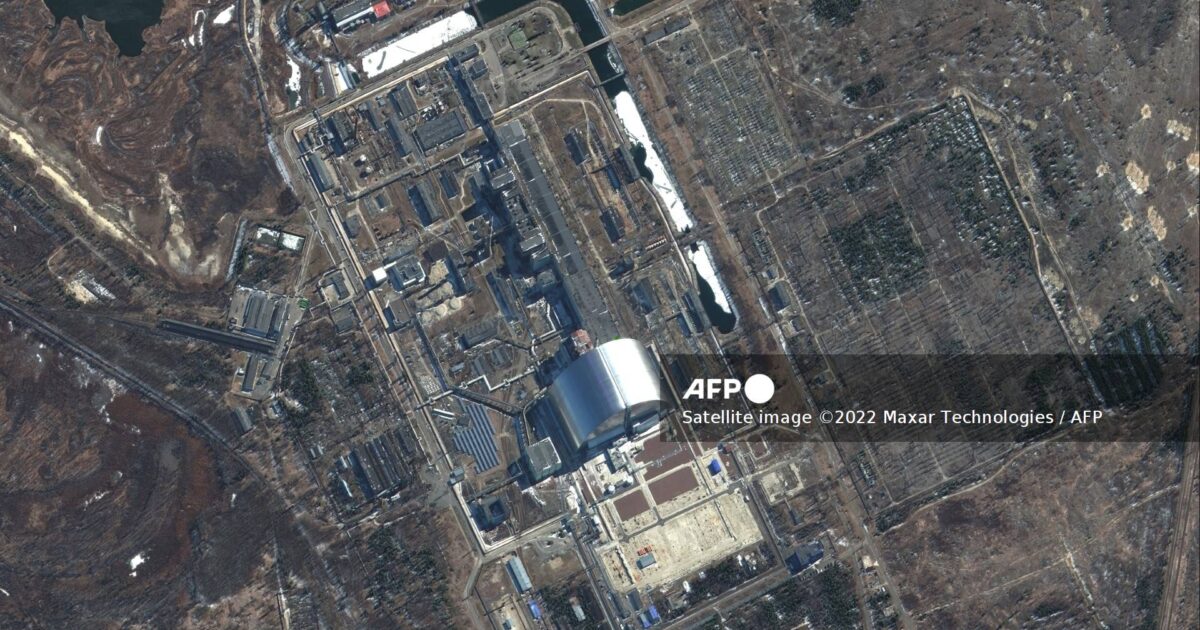
The remnants of the power plant are protected by an internal structure called the Sarcophagus, built hurriedly after the 1986 incident. Between 2016 and 2017, a new high-tech containment structure was added, intended to replace the original but not designed for long-term use.
However, this outer shell sustained damage from a Russian drone attack in February 2025, raising concerns about its ability to contain radiation. Greenpeace recently indicated that this structure is effectively irreparable, increasing the potential for radioactive leaks. Repairs are anticipated to take between three to four years, with the plant’s director warning that another Russian assault could compromise the radiation shelter entirely.
Evacuation Zone and Its Consequences
The vicinity around the facility has become a designated evacuation zone, resulting in vast areas of abandoned towns, farmland, and forests. Currently, over 2,200 square kilometers in northern Ukraine and 2,600 square kilometers in southern Belarus are uninhabitable.
The IAEA estimates that these regions will remain unsafe for human habitation for the next 24,000 years. The city of Pripyat, located just 3 kilometers from the plant and once home to 48,000 residents, was completely evacuated in 1986. Today, it lies in ruins, resembling a post-apocalyptic landscape with dilapidated structures and an abandoned amusement park.
While guided tours were previously available, the area has been closed to visitors since 2022, transforming it into a vast nature preserve. Notably, the endangered Przewalski’s horse was reintroduced to the area in 1998, marking a rare instance of wildlife reclaiming its territory.
