


Concern Grows Over Out-of-School Youth in Lagos
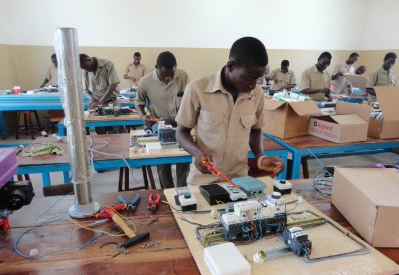
Parents affiliated with the Agege Parents Forum in Lagos State have voiced their alarm regarding the significant number of out-of-school children in the region, urging the government to establish more vocational schools to engage youths unable to pursue traditional education.
Community Appeals for Educational Alternatives
This call to action was made during the forum’s annual general meeting, held at Agege Stadium on Tuesday. The United Nations Children’s Fund reports that approximately 18.3 million children in Nigeria are out of school, with 10.2 million at the primary level and 8.1 million at the secondary level.
Empty Promises of Education
During the event, Zonal Secretary-General of the Forum, Mr. Oluwatoyin Ike, expressed distress over the increasing number of children who roam the streets after completing their High School Certificate examinations, largely due to a lack of viable educational and vocational options. This trend, he noted, has contributed to a rise in idle youth within the community.
The Future of the Youth at Stake
Raising concerns about the future of these children, Ike emphasized the urgency for governmental action, stating, “The government must aid the children who are currently struggling to find direction; they are the leaders of tomorrow.” He urged Lagos State and federal legislators to take proactive measures in establishing vocational schools both in Agege and surrounding areas to provide alternatives for academically challenged students.
Barriers to Accessing Vocational Training
According to Ike, the absence of local vocational schools is a significant barrier for many families. “Parents face transportation costs to schools in Ikotun and Ogba; this often discourages them from seeking better educational opportunities for their children,” he explained. He advocated for the establishment of a vocational institution within Agege itself, highlighting the need for diverse educational pathways for students struggling by the time they reach Junior Secondary School.
Infrastructure Shortcomings in Schools
In addition to advocating for vocational options, parents at the meeting also highlighted the pressing need for improved infrastructure in government schools, particularly the lack of adequate seating and learning facilities. Ike remarked, “It is unreasonable to place the burden of school infrastructure solely on parents. The government must step in to support these institutions.” Nonetheless, she praised local legislator Jubril Abdulkarem for his continuous support of educational initiatives, revealing that he has assisted with free admission processes for students over the past four years.
Skills Development Programs Offer Hope
Reflecting on past successes, Ike stated that more than 1,700 students have benefitted from free JAMB registration initiatives, enabling nearly 6,000 students to access educational support over the years. Recently, in collaboration with Abdulkarem, the Forum organized vocational training courses in solar power generation and CCTV installation, helping around 350 youths develop valuable skills. “Many of these individuals are now equipped with marketable skills and are no longer wandering without purpose,” Ike reported.
