


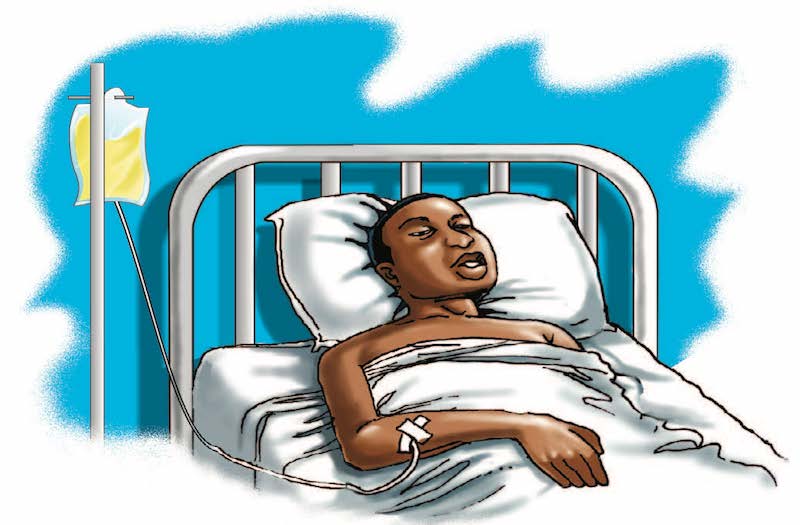
Increase in Lassa Fever Cases Documented by NCDC
The Nigeria Center for Disease Control and Prevention (NCDC) has reported 936 confirmed infections of Lassa fever, alongside 224 fatalities attributed to the disease. The latest findings, published in the agency’s Lassa Fever Situation Report for Epidemiology Week 27, indicate a decline in new confirmed cases, with just 14 cases recorded this week, down from 31 the previous week.
Geographic Spread of Lassa Fever in Nigeria
Newly confirmed cases have emerged from Ondo, Edo, Bauchi, Benue, and Kogi states. While there has been a decrease in new infections, the toll of 224 deaths in 2026 illustrates a growing concern, with the fatality rate climbing to 23.9%—a marked increase from 18.9% during the same timeframe in 2025.
Concentration of Cases in High-Burden States
According to the NCDC, 23 states and 113 local government areas have reported cases this year, with five states accounting for an overwhelming 85% of all confirmed instances. Ondo State bears the highest burden, contributing 30% of cases, followed by Bauchi State at 25%, Taraba State at 14%, Edo State at 10%, and Benue State at 6%. The remaining 15% of cases have been distributed across 18 additional states.
Demographics of Affected Individuals
The NCDC’s report highlights that young adults are the most impacted demographic, particularly those aged 21 to 30. Patients range from 1 to 93 years old, with a median age of 30. Male patients slightly outnumber females, with a gender ratio of 1:0.9. Notably, there were no recorded cases of infected healthcare workers during this reporting period.
Ongoing Response and Training Initiatives
The NCDC has reaffirmed that the National Lassa Fever Incident Management System remains active to coordinate nationwide response efforts. This week, the agency and its partners conducted training sessions for healthcare workers in several states, including Bauchi, Taraba, Ondo, and Ebonyi, focusing on case management, infection prevention and control, screening, and triage.
Community Engagement and Awareness Efforts
Efforts to educate communities about Lassa fever have been ramped up, particularly in Edo and Ondo states. Initiatives targeting religious and traditional leaders, farmers, and market women have aimed to enhance awareness and encourage timely healthcare seeking. Additional interventions include aggressive contact tracing, distribution of personal protective equipment, laboratory testing for early diagnosis, and activation of emergency response systems in several states such as Benue, Plateau, Kebbi, Kano, Gombe, and Oyo.
Challenges and Recommendations for Improvement
Despite ongoing initiatives, the NCDC has identified multiple factors contributing to the high case fatality rate. These include delays in patients seeking treatment, lack of awareness about health-seeking behaviors, poor environmental hygiene in affected regions, and prior infections among healthcare workers. To strengthen the response, the agency urges state governments to facilitate continuous public awareness campaigns on Lassa fever prevention and advises healthcare professionals to remain vigilant and adhere strictly to infection control measures.
Understanding Lassa Fever
Lassa fever is an acute viral hemorrhagic illness caused by the Lassa virus, primarily transmitted to humans through contact with food or household items contaminated with the urine or feces of infected rodents. Human-to-human transmission can also occur through contact with bodily fluids. Symptoms often begin with general febrile illness, weakness, and headache, which can escalate to severe manifestations, including bleeding, respiratory difficulties, swelling, and organ failure.
