


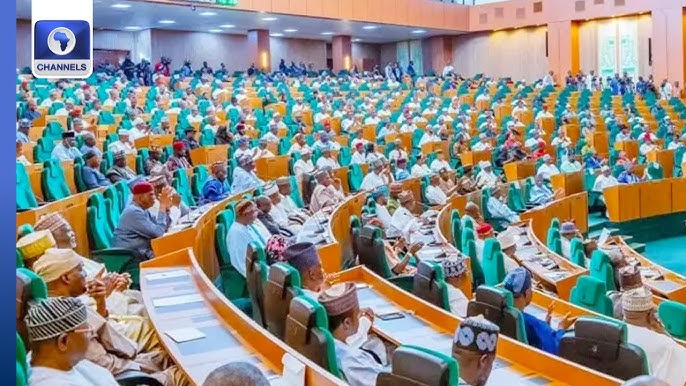
House of Representatives Calls for Support of Women’s Reserve Bill
The House of Representatives is urging 36 state legislatures to back the Women’s Reserve Bill, a key component of ongoing constitutional reforms aimed at enhancing gender inclusion in governance. This call for action follows a resolution adopted during a plenary session led by Speaker Tajudeen Abbas, prompted by a motion of urgent public importance introduced by Lagos State lawmaker Jesse Onuakarusi.
Onuakarusi emphasized that the proposed bill is crucial for rectifying the enduring gender imbalance in Nigeria’s political landscape. He described this initiative as a pivotal moment for the nation’s democracy, which could provide a pathway to increased inclusion, broader representation, and improved governance outcomes.
Despite constituting nearly half of Nigeria’s population and playing a vital role in the nation’s development, women’s representation in elected and appointed positions is alarmingly low. Onuakarusi noted that women occupy less than 5% of these roles—making Nigeria’s performance one of the least favorable on a global scale. He argued that this significant underrepresentation reflects deeper democratic issues that hinder effective governance.
The lawmaker believes that failing to address this imbalance would perpetuate a fundamental democratic flaw, resulting in governance structures that lack diversity and inclusiveness, ultimately affecting balanced policymaking. He elaborated that the Women’s Special Seats Bill aims to establish a constitutionally supported affirmative action mechanism, creating additional seats specifically for women in both the National Assembly and state legislatures.
This measure, according to Onuakarusi, is a necessary temporary solution to promote women’s engagement in civic life while tackling the pervasive structural obstacles they face. He pointed to success stories from other African nations that have implemented similar policies, such as Kenya, South Africa, Burundi, South Sudan, and Uganda, where these initiatives have notably increased women’s political involvement.
The lawmaker warned that failing to enact the bill could have significant repercussions for Nigeria’s democratic integrity. He stated that neglecting gender disparities in political representation undermines institutional legitimacy and limits socio-economic progress. Onuakarusi highlighted that enhancing women’s participation could lead to improved outcomes in essential areas like health care, education, social welfare, and economic development.
The motion garnered overwhelming support during a voice vote, leading the House to formally request that state legislatures rally behind the bill. Lawmakers have urged the Committees on Constitutional Review, Women’s Affairs, and Electoral Affairs to expedite their actions concerning the bill within the deadline established. They warned that without swift legislative action, the exclusion of women from political spheres will persist, ultimately compromising Nigeria’s commitments to regional and international frameworks aimed at achieving gender equality.
This recent movement coincides with ongoing advocacy efforts from civil society organizations and development partners striving to confront the persistent underrepresentation of women in Nigeria’s political arena. Despite years of democratic governance, previous attempts to bolster inclusion through party quotas and policy initiatives have yielded limited success, primarily due to structural, cultural, and financial barriers. Proponents of the Women’s Reserve Bill argue that without deliberate legislative action, meaningful advancements in gender inclusion could remain elusive, and that the current constitutional amendment process is an essential opportunity for reform.
