


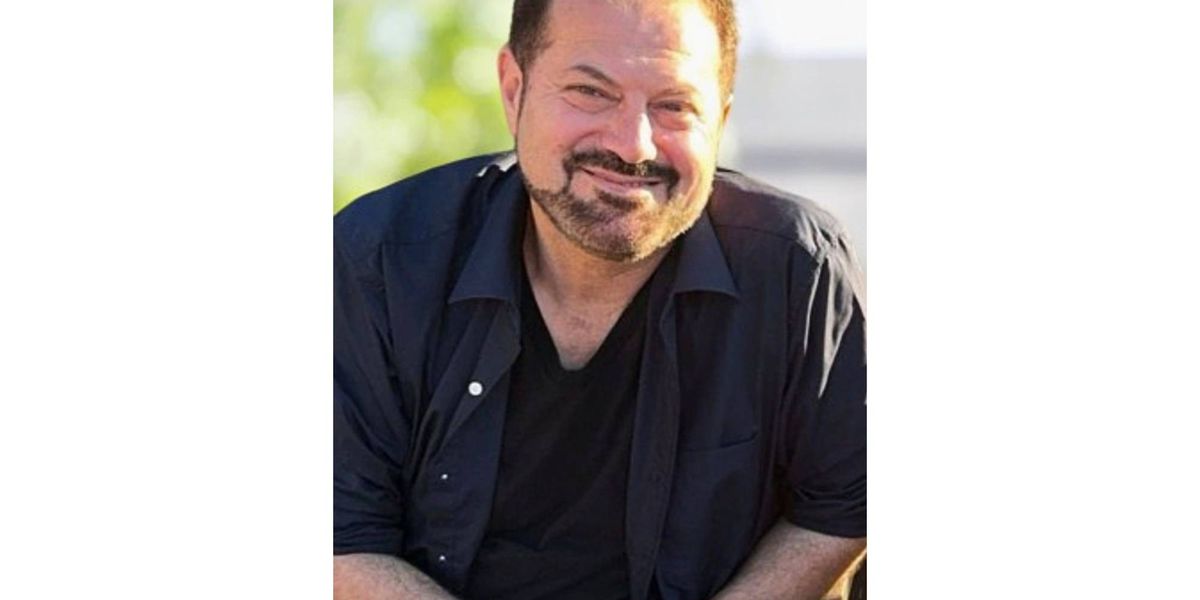
President of Wisconsin’s Largest Mosque Detained Amid Medical Neglect Claims
Lawyers representing the president of Wisconsin’s largest mosque report that he lost 30 pounds during his two-month detention by immigration officials due to a lack of essential treatment for diabetes.
Legal Concerns Surrounding Detention of Palestinian-American
Sarah Sarsour, a lawful permanent resident born in Palestine, was taken into custody by U.S. Immigration and Customs Enforcement agents in April. His legal team contends that the accusations against him are unfounded, asserting that he is labeled a foreign policy threat primarily because he has publicly criticized Israel and has a minor conviction from an Israeli military tribunal.
Longstanding U.S. Resident with No Criminal Record
Having lived in the United States for over 30 years, Sarsour has maintained a clean criminal record. However, his current predicament raises critical questions about the treatment of detainees within the immigration system.
Serious Health Risks Due to Lack of Medical Care
Sarsour suffers from type 2 diabetes, and his lawyers emphasize that his blood sugar levels are not being monitored regularly. This neglect exposes him to severe health risks, including potential organ failure and even death. Currently, he is being detained at a county jail in Indiana as his immigration case unfolds.
Judicial Hearings and Medical Care Concerns
During a recent hearing, Sarsour’s attorney, Luna Drubi, highlighted the urgency of addressing Sarsour’s release by informing the court about the significant weight loss he experienced while in custody. She noted that the presiding judge has expressed concern regarding the adequacy of the medical care being provided to Sarsour, pledging to continue pressing for his release.
Lawsuits Indicate Widespread Medical Neglect in Detention Facilities
A joint investigation by KFF Health News and The Associated Press has unveiled that hundreds of detainees across at least 33 states have filed federal lawsuits alleging medical neglect similar to Sarsour’s case. These lawsuits often cite instances of denied medications and delays in treatment for serious health conditions, including cancer, diabetes, and mental health disorders.
Alarming Reports of Detainee Treatment
In a letter sent last month to U.S. District Judge James Patrick Hanlon, Sarsour’s legal team detailed troubling conditions regarding his detention. They are urging the court to release Sarsour while his immigration case remains unresolved, pointing to his deteriorating health and recent episodes of severe abdominal pain that prison officials dismissed.
Sarsour’s treatment has reportedly included denial of access to religious practices, such as reading the Koran and praying. His attorneys narrated incidents in which he was instructed to purchase pork products, which contravene his dietary restrictions and Islamic beliefs, raising further concerns about the conditions under which he is held.
The implications of this case extend beyond Sarsour’s individual situation. As his son, Kareem Sarsour, expressed, the family is not only striving to ensure his legal right to remain in the country but also advocating for his health and the fundamental due process rights guaranteed within the constitution.
