


Underappreciated Growth Potential in Africa’s Women’s Economy
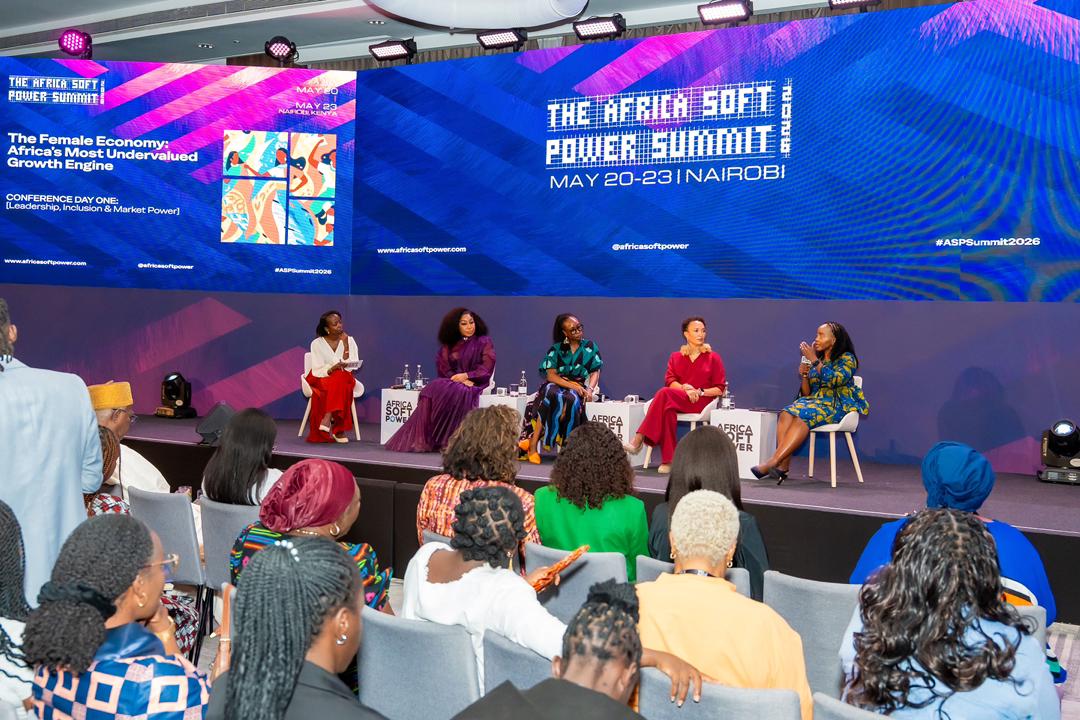
At the Africa Soft Power Summit 2026, held in Nairobi, industry leaders from film, telecommunications, fashion, and retail convened to discuss a critical yet overlooked aspect of the continent’s economic landscape: the women’s economy. They argued that the persistent underrepresentation of this sector is not incidental but rather a product of systemic design flaws.
Structural Inequities in Economic Measurement
Panelists emphasized that women are actively participating in the economy; however, the methods used to measure and finance economic activities do not account for their contributions. The panel discussion, titled “Women’s Economy: Africa’s Most Undervalued Growth Engine,” featured prominent figures including Rita Dominick, co-founder of Audrey Silva Company; Rukky Ladoja, Founder and Creative Strategist at Dye Lab; Wandya Gichuru, CEO of Vivo Fashion Group; and Mapula Bodibe, CEO of MTN South Sudan, with Fiona Kemigisha moderating.
Challenges of Informal Economic Activities
Mapula Bodibe initiated the dialogue by highlighting the disparity between actual economic activities in Africa and their formal recognition. She pointed out that much of the continent’s commerce operates outside the traditional reporting frameworks. Markets, salons, cooperative savings groups, and the expanding digital commerce ecosystem are critical to understanding the true economic impact, especially when it comes to women. In Rwanda, for instance, the formal employment rate for women is around 47%, but when informal activities are taken into account, their participation surges to nearly 80%. According to Bodibe, this discrepancy highlights how measurement systems substantially undervalue women’s economic contributions, influencing capital allocation, policy formation, and market evaluations.
Visibility Versus Ownership in the Creator Economy
Rita Dominick shifted the discussion to the creator economy, underscoring the evolution of Nollywood from its DVD beginnings to the current streaming landscape. She noted that while African creators have achieved global visibility, they often lack the necessary ownership structures to secure long-term economic benefits. During the DVD era, filmmakers had limited control over the financial aspects of the industry, relying heavily on marketers and gatekeepers. Today, streaming services provide valuable data on viewership and engagement, yet creators rarely have access to this information, which is crucial for negotiating power and future earnings.
Branding and Economic Empowerment
Dominick emphasized the need for African creators to focus on both visibility and ownership. She articulated that while recognition can lead to job opportunities, owning the creative work serves as a long-term asset. High visibility, particularly for women-led businesses, often complicates control over supply chains, intellectual property, and overall brand value.
Building a Sustainable Business Framework
Rukky Ladoja used her brand, Dye Lab, as a case study to illustrate the challenges and triumphs of operating within the African women’s economy. She described Dye Lab not merely as a fashion label but as an initiative that fosters local production, capacity building, and community identity, all while nurturing consumer trust. This model demonstrates that African consumers are willing to invest in brands that resonate with local culture and produce tangible economic opportunities across supply chains.
Investing in African Brands
Wandya Gichuru concluded the panel by presenting a provocative challenge to African investors. She argued that despite the substantial market presence of African consumers, the continent’s capital markets remain unprepared to support local brands. Drawing parallels to global fashion giants like Uniqlo and LVMH, Gichuru highlighted that African brands possess the cultural relevance and consumer base necessary to achieve equivalent levels of success with appropriate funding.
She further asserted that every consumer acts as an investor when making purchasing decisions. The collective spending power of consumers will determine the sustainability and global competitiveness of African brands and industries.
Central Themes of the Africa Soft Power Summit
Discussions on the women’s economy formed a crucial part of the summit, which included insights from leading African women executives under the theme ‘Leadership, Inclusion and Market Power.’ Earlier dialogues addressed how institutional and educational systems affect women’s transition from visibility to ownership and leadership, featuring contributions from experts like Catherine Muraga from Microsoft and Tomiwa Aladekomo of Big Cabal Media.
The conversations reaffirmed that the women’s economy in Africa is not a peripheral narrative; rather, it directly influences capital allocation, market assessments, brand development, and value ownership. The week’s panels encapsulated a guiding theme: Africa’s future growth hinges on more than its rich talent and consumer base; it depends on the establishment of robust systems that can transform economic activities into sustained value for the continent.
The Africa Soft Power Group serves as an umbrella platform for three organizations—African Soft Power Project, ASP Global, and African Women on Board—committed to integrating African perspectives into the global discourse on economics and society.
