


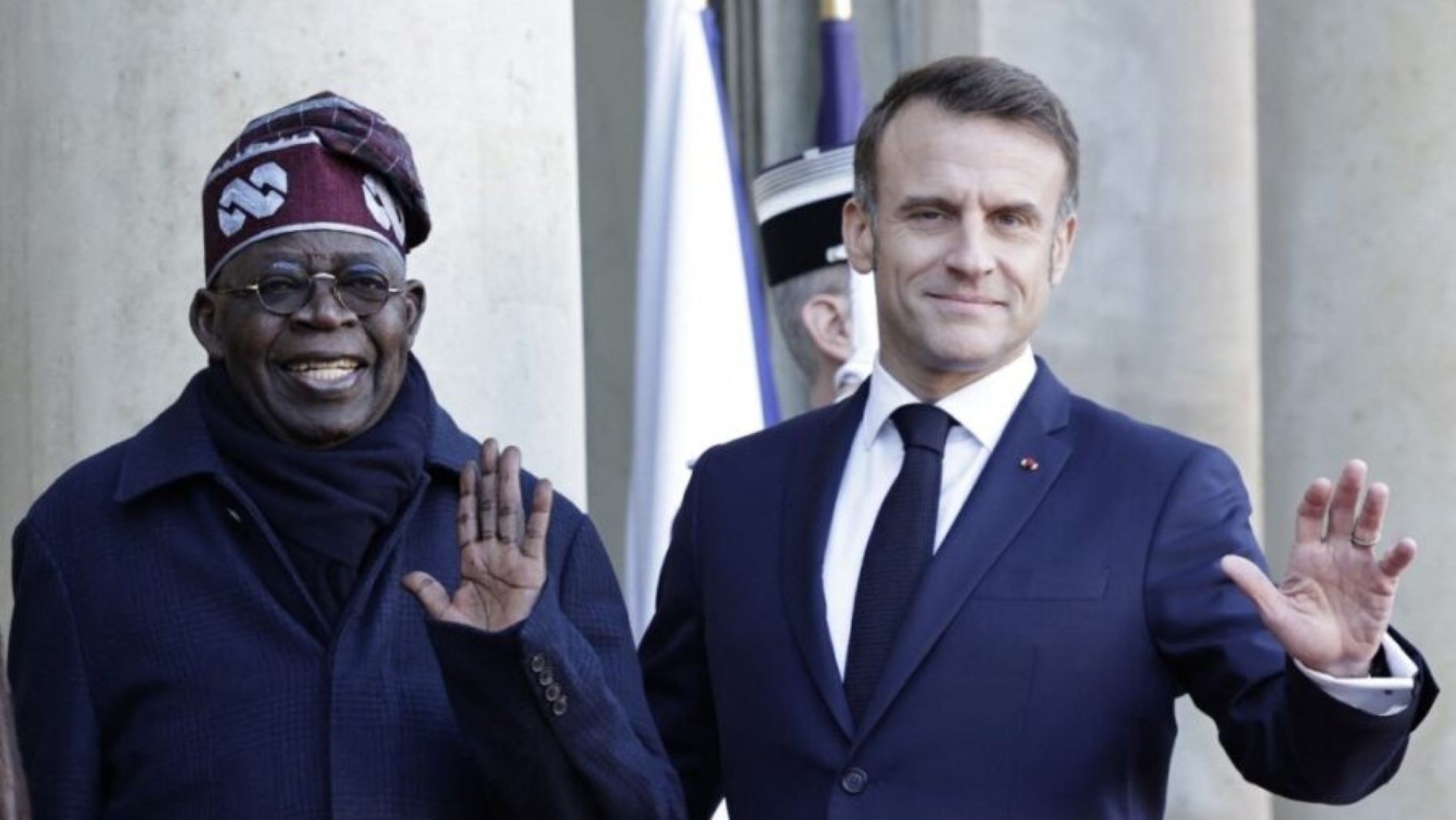
African Summit Marks Historic Shift in Venue and Discourse
The recent Africa Forward France-Africa summit in Nairobi marked a significant milestone, being the first gathering in its 53-year history to take place outside a Francophone nation. This summit attracted over 4,000 participants from government, business, and civil society sectors, convening to deliberate on crucial topics such as energy, finance, agriculture, health, industrialization, and the blue economy. However, despite the ambitious themes of “transformative partnerships” and “effective multilateralism,” substantial concerns linger regarding the commitment of France and other leading donors to fulfill their obligations in development aid, environmental sustainability, and debt relief.
Growing Bilateral Trade Between France and Kenya
The past decade has seen a notable growth in bilateral trade between France and the host nation, Kenya, with approximately 150 French companies active in the region. Kenyan President William Ruto used the platform to advocate for African “sovereignty” while simultaneously critiquing “European dependence,” paradoxically aligning with the very clientelism he denounced.
Controversial Military Cooperation Raises Concerns
A recent five-year defense agreement has deployed 800 French soldiers to Mombasa for joint training exercises. This move has sparked protests among Kenyan civil society, reminding many of the longstanding issues of impunity surrounding British soldiers accused of serious crimes in the region, including rape and environmental degradation. The French troops will work alongside American forces at several military bases in Mombasa and Manda Bay, instrumental in launching drone strikes targeting operations in neighboring Somalia and Yemen.
Kenya’s Relationship with the United States Expands
In May 2024, Kenya was designated a non-NATO ally of the United States. Despite Ruto’s efforts to promote a narrative of African autonomy, challenges remain evident. Reports of a harsh crackdown on youth protests between 2024 and 2025 amidst a landscape rife with corruption allegations underscore the disparity between rhetoric and reality.
Macron’s Image Faces Scrutiny on the Continent
The Nairobi summit also showcased the waning popularity of French President Emmanuel Macron, who will exit office next year after a decade marked by dwindling approval ratings, currently at just 18%. Macron’s proclamations in Nairobi, branding himself and France as “true Pan-Africanists,” are viewed skeptically, given France’s historical role in the exploitation of Africa.
Historical Context of France’s Engagement in Africa
Since taking office in 2017, Macron pledged to dismantle France’s entrenched political, military, and economic ties to its former African colonies. However, his administration has largely perpetuated the same neocolonial policies pursued by his predecessors. France maintains military bases across Africa, having intervened militarily over 50 times since the 1960s to support or destabilize various regimes. Macron’s administration has often backed authoritarian leaders and faced backlash as former allies work to distance themselves from French influence.
Declining Influence and Economic Challenges
Despite its historical position as a global power, France’s influence appears to be dwindling. A permanent seat on the UN Security Council now seems outdated, given France’s status as the world’s seventh-largest economy and its staggering national debt of €3.46 trillion, representing 115.6% of its GDP. French aid has also seen a dramatic decline, dropping 77% from €15.3 billion in 2022 to just €3.5 billion this year.
Franco-African Relations Facing New Challenges
The €23 billion commitment announced by Macron at the summit anticipated contributions of €14 billion from the French private sector and €9 billion from African partners. Recent calls for UN and EU support for military endeavors reflect France’s struggle with its historical neocolonialist stance. As Macron enters the final year of his presidency, he faces increasing unpopularity, and the likelihood of his successors, particularly Marine Le Pen, upholding such ambitious promises appears slim.
Geopolitical Dynamics Shift Under Macron
The summit highlighted Macron’s attempts to frame China and Russia as threats to French interests in Africa. His rhetoric of seeking new African allies as a strategic vision contrasts sharply with the declining relevance of French military influence in the region. Under Macron’s leadership, it appears that France is struggling to shed its colonial legacy while facing a growing disillusionment with its military and political engagements in Africa.
Professor Adebajo serves as a Senior Research Fellow at the Center for Scholarship Promotion at the University of Pretoria, South Africa.
