


Presidential Support Wanes Ahead of 2027 Election
As the 2027 election approaches, President Bola Tinubu’s support in northern Nigeria is steadily declining. Unlike the 2023 election, when Northern governors rallied to champion his candidacy, the current political landscape appears markedly different.
Disconnect Among Advisers
Regrettably, many close to the president seem oblivious to this shift, either flattered or hesitant to convey the stark realities of his diminishing popularity.
Grassroots Support Erodes
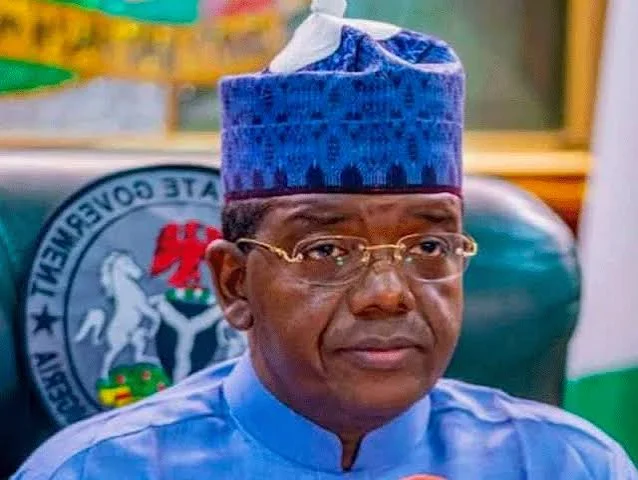
Aside from Defense Minister Alhaji Bello Matawalle and a few allies, significant backing among influential northern politicians within the All Progressives Congress (APC) has stagnated. Discussions on the streets and in local markets reflect a notable decrease in enthusiasm for Tinubu. The fervent support previously displayed during the 2023 election has diminished significantly.
Northern Votes Remain Crucial
Having spent decades observing the political dynamics in the north, it is clear that the notion Tinubu only requires minimal northern votes to secure victory has proven to be a fallacy. Historical voting patterns demonstrate the North’s decisive role in presidential elections. For instance, former President Goodluck Jonathan lost re-election in 2015, despite winning heavily in the south, after failing to secure support from northern voters. Similar patterns were evident in the 1999 elections, where Olusegun Obasanjo’s win was largely attributed to northern backing, despite not winning his home state.
Uncertain Future for Tinubu
The sheer number of votes from Kano and Kaduna alone outweighs that of the entire southern region, underscoring the North’s pivotal influence. Worryingly, the indifference shown by northern governors toward Tinubu’s re-election becomes apparent. Outside of Matawalle and certain North-Central governors who have voiced support, many others exhibit caution that hints at a lack of enthusiasm for Tinubu’s chances in 2027.
Strategies for Engagement
With the election just seven months away, some analysts are advocating for Vice President Kassim Shettima to spearhead outreach efforts among the northern elite to effectively engage voters. This could include town hall meetings and structured political negotiations, mirroring successful strategies utilized by the opposition.
Highlighting Successes
Matawalle’s active efforts in promoting Tinubu’s vision are vital. His grassroots mobilization showcases the tangible benefits of the administration’s reforms. Following a tumultuous economic period under past leadership, Tinubu has initiated substantive reforms that focus on curbing inflation, increasing foreign reserves, and implementing social security measures. These efforts have energized support and built momentum for the Tinubu administration.
Need for Unified Messaging
Despite these successes, it raises the question of why other northern governors and appointees have not actively championed Tinubu’s accomplishments. Emulating Matawalle’s performance-based communication strategy could help galvanize support in the north, a region that remains a crucial electoral battleground.
Political insights suggest that the forthcoming months will be pivotal for Tinubu as he navigates the challenges ahead, making strategic outreach to the north more essential than ever.
