


The Personal Connection to Northern Nigeria’s Struggles
Ike Abonyi’s passion for Northern Nigeria is rooted in personal experience. His journalism career began at the now-defunct Satellite Newspaper Company in Enugu, but it was during his National Youth Service at Triumph Newspaper in Kano that he truly developed his skills. As a correspondent for Triumph, he also ventured into Benue, where he met his wife, a Kogi State native, before moving on to Lagos to work for esteemed publications such as Champion, This Day, and the New Telegraph.
The Stark Reality of Hunger in the North
The urgency of the situation was underscored last week when the United Nations and its agencies warned that 17 million people in Northern Nigeria are facing severe hunger. This alarming statistic prompted Abonyi to reflect on the experiences of two acquaintances from Katsina, whom he met during his time in Abuja. Their stories represent the shifting realities of life in the region over the past fifteen years, highlighting the persistent issues of governance and policy failure.
A Glimpse into the Past: Hassan’s Story
In 2010, Hassan arrived in Abuja at the age of 20, brimming with energy and ambition. He began his journey as a waste collector, navigating the city with a plastic bucket and a heavy iron wheelbarrow. For Hassan, Abuja symbolized opportunity rather than exile, as he balanced his work with seasonal farming back in Katsina. Every dry season, he would return home to cultivate millet, guinea corn, and maize, viewing the capital as a means to secure resources essential for his agricultural endeavors. His life, despite the national mourning for the late President Umaru Musa Yardua, was a testament to the potential for personal growth amidst systemic obstacles.
The Harsh Present: Shamsudeen’s Struggles
Fast forward to 2026, and we encounter Shamsudeen, a 25-year-old from the same village as Hassan. However, Shamsudeen’s current existence is burdened with despair. Unlike Hassan, he cannot return to his farm due to the escalating violence in the region. The threats posed by bandits have claimed his father’s life, leaving Shamsudeen as the primary provider for his family. His once-thriving farm now lies in ruins, overrun with weeds, symbolizing the wider crisis affecting countless households across Northern Nigeria. As he pushes his wheelbarrow filled with rubbish along Abuja’s streets, his predicament starkly contrasts with Hassan’s earlier ambition, reflecting a grim reality that has emerged from years of neglect and violence.
The Paradox of Political Leadership
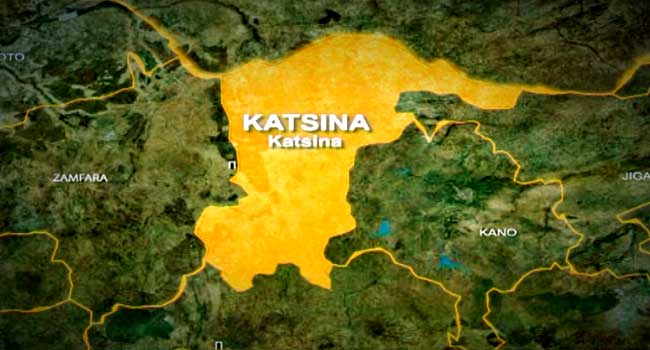
The juxtaposition of Hassan and Shamsudeen’s lives is a sobering commentary on the political landscape of Katsina State. Despite producing two heads of state—President Umaru Musa Yardua and President Muhammadu Buhari—Katsina has experienced an alarming rise in poverty, displacement, and insecurity in recent years. The promise of prosperity and safety that accompanied the leadership of these politicians has not materialized; instead, the region faces unprecedented challenges exacerbated by poor governance and ineffective policies.
Lessons from Contrasting Lives
The narratives of Hassan and Shamsudeen serve as a potent reminder for Nigerian voters. Their divergent paths illustrate that the identities and backgrounds of political leaders do not automatically translate into effective governance. The years of leadership from Katsina have failed to create a supportive environment for rural farmers. Lacking essential agricultural subsidies and adequate security measures, residents are left vulnerable to violence and economic instability. Hassan’s thriving existence was aided by a system that provided a degree of security, while Shamsudeen’s plight epitomizes the consequences of systemic failures.
A Call to Action for Northern Leaders
As Shamsudeen navigates his daily struggles in Abuja, his thoughts are far removed from the curry of political aspirations or the polished image of leadership. His priorities lie in survival and the hope for a sustainable future for his family. Northern leaders must refocus their attention not on self-promotion, but on addressing the needs of those suffering—the impoverished and disenfranchised. Failing to tackle these underlying issues will only serve to create a more volatile situation, one that could easily spiral out of control for all involved.
