


The Release of Wisconsin Mosque President from Immigration Detention
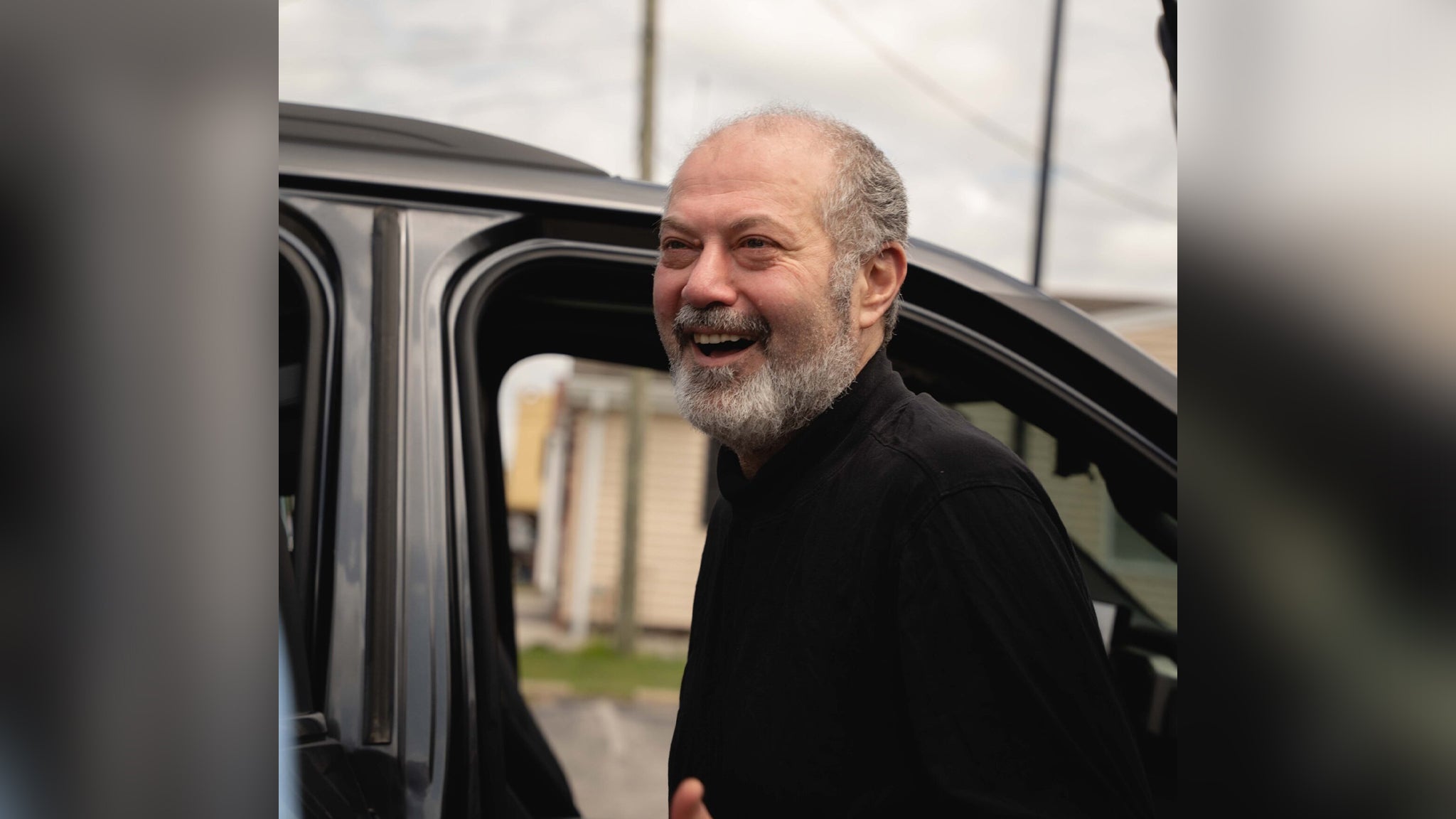
The president of Wisconsin’s largest mosque has been released from immigration detention following a federal judge’s order issued on Thursday. Sarah Sarsour, who had been in custody in Indiana for over two months, was granted release on personal recognizance. Judge James Patrick Hanlon, appointed by former President Donald Trump to the Southern District of Indiana, cited “exceptional circumstances” as the basis for his decision.
Concerns about Sarsour’s health, along with indications that he might be the target of an immigration lawsuit related to pro-Palestinian activism, factored into the ruling. Hanlon asserted that Sarsour must return to Wisconsin while his broader habeas petition and immigration case are adjudicated. In his habeas petition, Sarsour alleges that his detention is unlawful.
“The court will not determine the ultimate outcome of Mr. Sarsour’s First Amendment habeas corpus claim nor the merits of his removal request,” Hanlon stated. “However, based on the current record, Mr. Sarsour presents a ‘substantive’ First Amendment retaliation claim, which may render his detention unlawful.”
While government lawyers argued for Sarsour’s release under cash bail, insisting that he wear an ankle monitoring device, Judge Hanlon determined that such restrictions were unnecessary. He acknowledged Sarsour’s established ties to the Milwaukee community, noting that he has no history of non-compliance and that his family has lived in the United States without traveling abroad since 1998.
Sarsour, a U.S. resident for over three decades, was apprehended on March 30 and held at the Clay County Jail in Indiana. The U.S. Department of Homeland Security accused him of providing false information on his immigration documents after moving from Ramallah in the Palestinian territories. The agency labeled Sarsour a “terrorist,” claiming he participated in throwing Molotov cocktails at Israeli military personnel and had misrepresented these acts in his green card application.
Supporting Sarsour, his attorneys argue that his actions fall within the scope of protected speech, especially considering his role as a prominent Palestinian activist. They acknowledge his teenage convictions in the West Bank but assert that the charges were fabricated by the Israeli government. Judge Hanlon emphasized that these historical charges do not substantiate the government’s claim that Sarsour currently poses a security risk to the U.S., highlighting that authorities had known about these allegations for decades without taking prior action.
Continuing Legal Battles Following Sarsour’s Release
Sarsour was released around 2:40 p.m. local time, about seven hours after the judge’s order was pronounced, and was welcomed by his two sons. Photographs shared with WPR show Sarsour appearing noticeably thinner, with his lawyers indicating that he lost approximately 30 pounds during his detention due to diabetes-related issues.
Samuel Cole, an immigration attorney associated with the American Civil Liberties Union of Illinois and a supporter of Sarsour, stated that the judge’s order underscores Sarsour’s arguments regarding targeting for free speech. “This serves as a solemn reminder that this administration feels unconstrained by the Constitution, putting anyone who speaks out at risk of having their rights infringed,” Cole remarked.
Moving forward, Judge Hanlon will consider Sarsour’s habeas petition, with the option to issue a judgment alone or request an evidentiary hearing. Meanwhile, Sarsour’s immigration case is set for a hearing next week in Chicago, presided over by Chief Assistant Immigration Judge Jamie Salinaldi, a unique assignment as noted by Cole.
“As a former immigration judge myself, I have never heard of a new case being assigned to a senior administrative judge in another court,” Cole expressed, highlighting the unusual nature of this proceeding.
