


AI and Mobile Connectivity Propel Economic Growth in Africa
A recent report by GSMA illustrates how artificial intelligence (AI), digital services, and mobile connectivity are pivotal in fostering economic growth across Africa, though affordability remains a significant hurdle to digital inclusion.
Mobile Sector’s Economic Impact in Africa
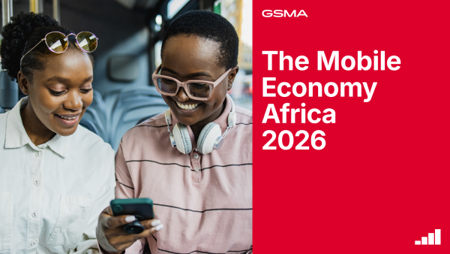
Published on June 16, 2026, GSMA’s Mobile Economy Africa 2026 report reveals that mobile technologies and services contributed an impressive $240 billion, or 7.8% of the continent’s GDP, in 2025. This burgeoning sector not only supports approximately 13 million jobs but also generates about $45 billion in public revenue, underscoring mobile connectivity’s essential role in driving growth, innovation, and digital transformation throughout Africa.
Shifts in Carrier Strategies
As Africa’s mobile industry transitions into a new development phase, telecom operators are increasingly focused on maximizing the value of digital networks for consumers, businesses, and governments. With a decade dedicated to enhancing connectivity, carriers are evolving from traditional roles to become partners in digital transformation. In fact, a study by GSMA Intelligence indicates that 79% of African carriers view becoming a digital transformation partner as a key goal for their businesses.
Future Contributions to the African Economy
By 2030, mobile technology and services are anticipated to contribute $290 billion to Africa’s economy, driven by increased digital adoption and connectivity that bolsters productivity and innovation. As the focus shifts from merely expanding network coverage, efforts are now concentrated on ensuring that individuals, businesses, and governments can fully harness the connectivity that exists.
The Role of AI in Enhancing Services
Across the continent, mobile carriers are deploying AI to optimize network performance, enhance customer experience, and support new digital services. However, with over 30% of the world’s languages spoken in Africa, the most advanced AI models are still largely trained in English and other high-resource languages. To address this gap, initiatives like the GSMA’s African AI Language Model aim to bolster the region’s data, computing, talent, and policy infrastructure for AI development tailored to African contexts.
Standardization and Digital Trust Initiatives
The report also highlights the momentum behind the GSMA Open Gateway, which enables telecom operators to offer standardized network APIs to developers and enterprises. This capability not only facilitates the deployment of innovative digital services but also enhances fraud prevention, identity verification, and digital trust in sectors like financial services, e-commerce, and digital governance.
Policy Decisions Crucial for Digital Advancement
Policy choices will significantly shape Africa’s ability to fully capitalize on the next wave of digital growth. Factors such as investment incentives, spectrum availability, affordability measures, and regulatory clarity are critical in influencing the pace of innovation and infrastructure deployment across the continent. Despite advancements, the report warns that the primary challenge in Africa’s digital landscape is not network coverage but penetration; while a considerable portion of the population resides within mobile broadband coverage, around 63% do not use mobile internet.
Addressing the Barriers to Internet Adoption
Affordability stands out as the greatest obstacle to mobile internet adoption throughout much of Africa, compounded by digital skills gaps and other social barriers. The report underscores the importance of initiatives focused on enhancing device affordability, expanding digital literacy, and fostering a more inclusive digital ecosystem. To support this next era of digital growth, GSMA advocates for policies that incentivize investment, improve affordability, and accelerate digital adoption. It is projected that mobile operators across Africa will invest over $76 billion in network infrastructure between 2024 and 2030, with evidence suggesting that tax breaks for devices and digital services can facilitate increased adoption and access to the digital economy.
Key Insights from the Mobile Economy Africa 2026 Report
- Mobile technologies and services are projected to contribute $240 billion to Africa’s economy in 2025, equating to 7.8% of GDP, with expectations to rise to $290 billion by 2030.
- The mobile ecosystem supported approximately 13 million jobs in 2025.
- The sector generated around $45 billion in public revenue.
- Telecom operators are set to invest over $76 billion in network infrastructure by 2030.
- Though approximately 63% of Africans live within mobile broadband coverage, they do not utilize mobile internet. Conversely, only 9% are outside of this coverage.
- By 2030, 5G deployment is expected to encompass 21% of all mobile connections.
About GSMA
GSMA is a global organization that unifies the mobile ecosystem to foster innovation essential for positive business environments and social progress. Our mission is to harness the power of connectivity to enable people, industries, and societies to thrive. Representing mobile operators and organizations throughout the ecosystem, GSMA focuses on three main pillars: Connectivity for Good, Industry Services and Solutions, and Outreach. This encompasses policy advocacy and addressing significant social challenges while supporting technology and interoperability to drive mobile communication. GSMA is also renowned for hosting the world’s premier events for the mobile industry, including MWC and M360 Series.
