


Morocco’s World Cup Journey Resumes with New Challenges
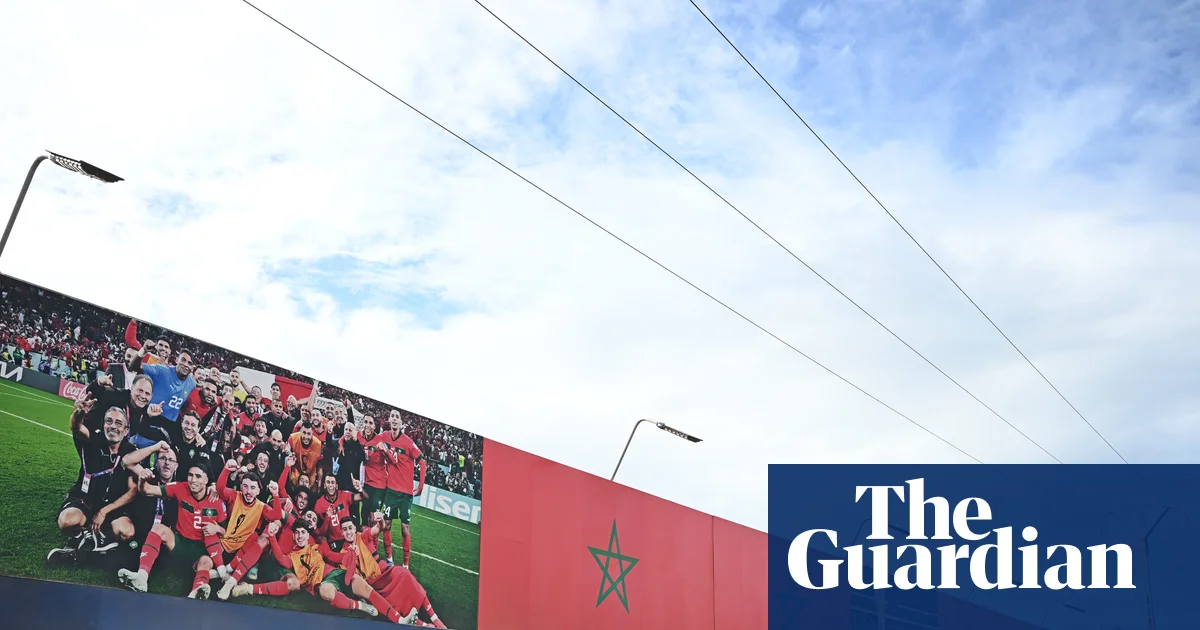
Morrocco’s inspiring World Cup journey came to a close with a quarterfinal defeat to France. However, for officials at the country’s football federation, the FRMF, there is little time for respite. The Women’s African Cup of Nations (Wafcon), now an expanded 16-team tournament, is set to kick off in Rabat shortly after the World Cup final, followed by the Under-17 Women’s World Cup in the fall.
Preparing for a Historic Co-Hosted World Cup
The focus of the FRMF intensifies with just over 1,400 days remaining until the centenary 2030 World Cup finals, co-hosted by Morocco, Spain, and Portugal. Ensuring that preparations are managed with precision for this landmark event is paramount, particularly as it marks the second World Cup held on African soil.
Significant Financial Commitments in Football Development
Morocco is preparing for a massive investment initiative, with an estimated budget of 50 to 60 billion Moroccan dirhams (approximately £4 to £4.8 billion) allocated specifically for football. Additional infrastructure spending is projected at around £17 billion. Notably, the International Monetary Fund has forecast that accelerated spending between 2024 and 2030 could represent 11.9% of Morocco’s GDP in 2024.
International Collaboration and Learning from Experience
To enhance its organizational capabilities, the Morocco 2030 Foundation, established to manage tournament preparations, has invested significant time studying World Cup logistics in the United States. Monthly meetings with Spain and Portugal are underway to foster collaboration. FIFA is expected to announce its decision on host cities by the end of the year, potentially reinstating the Local Organizing Committee model that was removed from this year’s event.
Infrastructure Development and Societal Impact
A senior FRMF official emphasized that hosting the World Cup transcends mere football, highlighting its role in advancing critical infrastructure that will benefit Morocco’s future. The stadiums in Rabat and Tangier are reported to be fully operational, signifying major strides in preparation.
Public Sentiment and Economic Concerns
While there exists a fervent commitment among many Moroccans to host the World Cup, some critics question the investment priorities in a country where education and healthcare are pressing issues. Abderrahim Bourkiah, a sports sociologist, noted that public opinion varies widely based on socioeconomic status and political perspectives, often reflecting divergent views on the event’s costs versus potential benefits.
Learning from Past Events and Ensuring Long-Term Benefits
Experiences from previous World Cups underscore the need for careful planning, particularly concerning legacy and economic sustainability. Dennis Mumble, a member of the 2010 South African World Cup organizing committee, advises that successful hosting involves creating enduring national cohesion and minimizing long-term financial burdens from stadium construction.
The Search for Real Legacy Beyond the Tournament
Morocco aims to position its co-hosting of the World Cup as a celebration of African football, with many sub-Saharan nations questioning the tangible benefits beyond promotional rhetoric. Efforts to improve local pitches in partnership with the Confederation of African Football are part of the legacy initiative, addressing the challenge that nearly half of African nations face in hosting matches due to inadequate facilities.
Managing Reputation amidst Global Scrutiny
As Morocco embarks on its World Cup preparations, managing its international reputation will become as critical as logistical readiness. The experience of Qatar, host of the controversial 2022 World Cup, serves as a stark reminder of the intense media scrutiny surrounding political, economic, and social issues that may impact the event.
