


MURIC Advocates for Death Penalty Following Lenient Terrorism Sentences
The Muslim Rights Organization (MURIC) has expressed strong disapproval of the life sentences recently given to two convicted terrorists, labeling them as excessively lenient. The organization argues that the death penalty should be the standard punishment for individuals convicted of terrorist acts, provided that judicial processes adhere to due process.
Calls for Stricter Sentencing Standards
Islamic advocacy groups have joined the chorus, emphasizing that a life sentence fails to reflect the severity of crimes that have resulted in thousands of deaths and widespread displacement across Nigeria. They caution that retaining convicted terrorists in custody may inadvertently nurture terrorist networks, heightening the risks of prison escapes and undermining the collective effort to deter future acts of terror.
Concerns Over National Deradicalization Programs
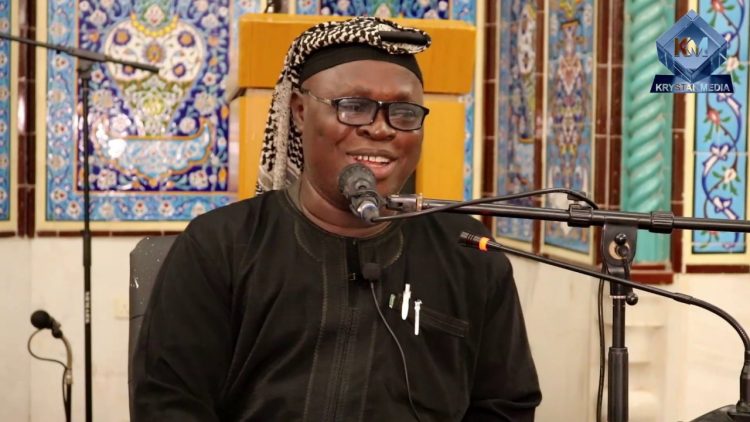
In a statement released on Wednesday, MURIC’s Executive Director, Professor Ishaku Akintola, characterized the sentences as “dangerously lenient”. He urged the federal government to reassess Nigeria’s legal and policy framework concerning terrorism. Akintola contends that the death penalty remains the most fitting punishment for individuals who carry out terrorist attacks.
Intensifying Debate on Rehabilitation Policies
MURIC’s position emerges in the context of an ongoing national dialogue surrounding the federal government’s deradicalization and rehabilitation programs for former rebels. Critics, including the Christian Association of Nigeria (CAN), victims’ groups, security analysts, and various citizens, argue that those who commit terrorist acts should face severe legal repercussions rather than being categorized as “repentant terrorists”.
Public Outcry Over Government Statements
The debate has escalated, particularly after remarks from the chief of defense staff referred to surrendered insurgents as “prodigal sons”. These statements, along with other officials calling the former rebels “our brothers,” have stirred considerable public indignation. Many Nigerians perceive this as an inappropriate attempt to humanize those responsible for extensive suffering and devastation through years of violence.
Legal Experts Challenge Rehabilitation Legitimacy
Legal scholars are also questioning the legality of pardoning or rehabilitating terrorism suspects before they have undergone trials in competent courts, noting that such measures are traditionally granted post-conviction. There are growing calls for the establishment of specialized courts to expedite terrorism trials and enhance the efficiency of the judicial system.
Revisiting the Call for the Death Penalty
MURIC’s renewed call for the death penalty is likely to further energize the national debate on the best approach for Nigeria’s counterterrorism strategy, whether it should prioritize rehabilitation, deterrence, or a punitive approach. The organization reacted specifically to the convictions of Abubakar Abba, known as Abu Baraa, and Mahmoud Usman, also known as Mahmuda, who received life sentences for terrorism-related offenses from Justice Emeka Nwaite.
Highlighting Ongoing Security Risks
The group pointed to a recent incident involving the kidnapping of children and teachers in Oriile, Oyo State, where the abductors allegedly demanded the release of two convicted terrorists in exchange for their captives. MURIC interpreted this occurrence as a vivid illustration of the lingering influence of terrorist networks and the security threats posed by maintaining convicted terrorists in correctional facilities. They maintain that those who perpetrate violence and disrupt democratic values do not merit the protections afforded by human rights.
