


Public Sentiment Encapsulates the Experience of Economic Reform in Nigeria
In Nigeria, public discontent stems not just from the rationale behind economic reforms, but from the tangible repercussions of those changes. Initiatives such as the removal of fuel subsidies and the integration of foreign exchange markets are inherently disruptive. While many citizens understand the necessity of these reforms, they are increasingly troubled by the absence of effective buffering mechanisms and the growing disconnect between policy declarations and the actions of their leaders.
Daily Struggles Amidst Rising Costs
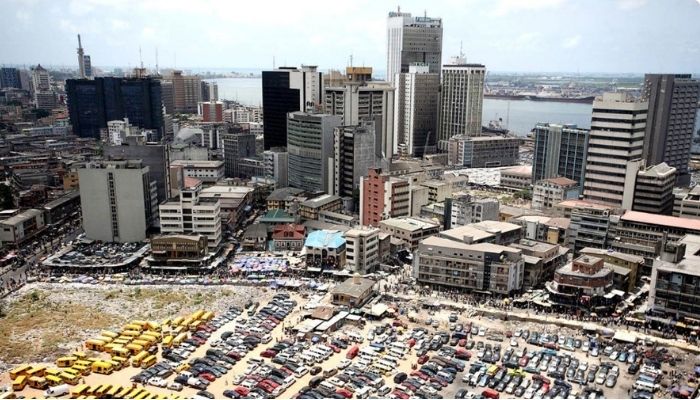
The effects of these changes are immediate and widespread, permeating various sectors from markets to households. The surging cost of living coupled with diminishing purchasing power has pushed numerous families to the edge. For traders, the situation goes beyond abstract economic theories; it’s about the daily struggles to survive. A trader at Ikotun market in Lagos reflected a common sentiment: the relentless increase in prices has left them helpless amidst growing customer complaints.
Calls for Comprehensive Safety Nets
Economists and policy analysts have long contended that large-scale reforms must be accompanied by robust social protections. This includes targeted subsidies, transportation support, food security interventions, and transparent cash transfers. Conversely, many Nigerians feel these measures are insufficient, poorly implemented, or simply too late to be effective. Consequently, the narrative surrounding reform feels increasingly one-sided as sacrifices are made without corresponding relief.
Rising Poverty and Business Challenges
Poverty levels are on the rise, with estimates indicating that nearly two-thirds of Nigeria’s population now lives in poverty. Unemployment and underemployment rates remain high, forcing countless young people into exhausting labor just to make ends meet. Small and medium-sized enterprises (SMEs), which traditionally form the backbone of job creation, are grappling with soaring operational costs, leading many to shutter their doors in recent years.
Demand for Empathic Governance
Public policy analyst Samuel Odekunle pointed out that the core issue is not the reforms themselves but the lack of empathy in their execution. He emphasized that the government must anticipate challenges and respond proactively, rather than simply reacting to crises. Such criticisms are gaining traction as citizens scrutinize not only the policies themselves but also the underlying philosophy that shapes them.
Trust Erosion Amidst Economic Strain
Adding to the economic distress is a growing divide between political elites and the general public. Government officials have urged citizens to exercise patience and fiscal discipline, yet public skepticism has intensified in response to reports of opulent spending and bloated political structures. Odekunle noted the incongruity of expecting citizens to tighten their belts while leaders indulge themselves, stating that true leadership must model the restraint it expects from others.
Labor Unions Sound the Alarm
During this year’s Labor Day celebrations at Eagle Square in Abuja, leaders from the Nigeria Labor Congress (NLC) and Trades Union Congress (TUC) expressed deep concern over deteriorating living standards. They underscored escalating living costs, job insecurity, and declining purchasing power as symptoms of a deepening economic crisis. Without swift action to stabilize the economy and bolster the currency, they warned that conditions could worsen.
A Vision for Inclusive Governance
Beyond the immediate economic challenges, many Nigerians are advocating for a shift toward a people-centric governance model. This approach emphasizes not only crafting policies with public input but actively involving citizens in decision-making processes. Transparency, accountability, and effective communication are now seen as essential components in rebuilding public trust. Amid the frustration, there remains a cautious optimism; some believe that, if managed effectively, these difficult reforms could yield long-term benefits.
Despite facing mounting critiques, President Bola Tinubu reaffirmed the government’s commitment to alleviating the burden on citizens in his Labor Day address. He highlighted ongoing initiatives in agriculture, infrastructure, and social protection aimed at fostering inclusive growth. However, the road ahead hinges on effective policy implementation and increased awareness among the populace. Ultimately, governance will be evaluated based not on intentions but on its real-world impact on the daily lives of Nigerians.
