


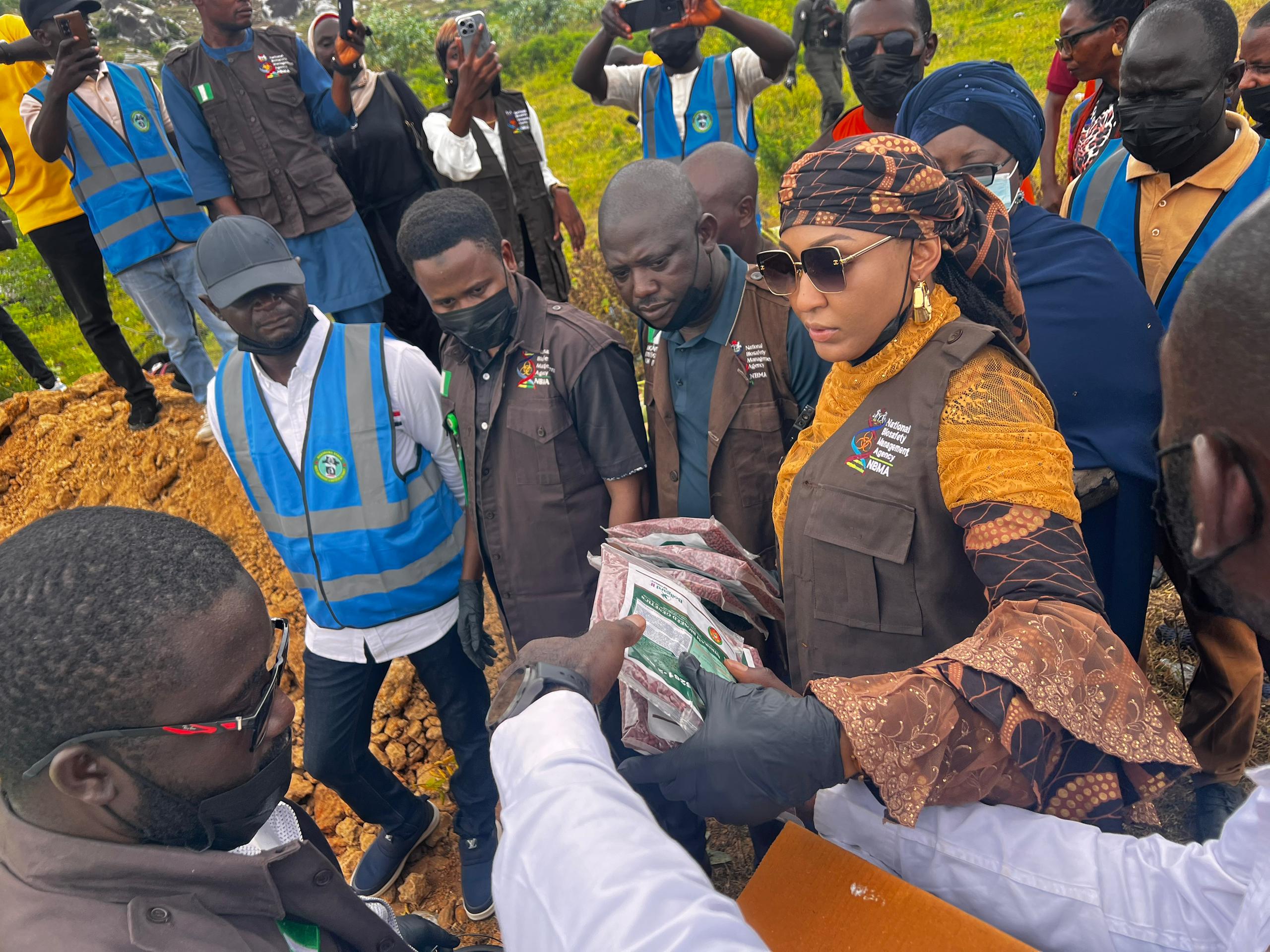
NBMA Destroys Unauthorized Transgenic Cotton Seeds in Nigeria
The National Biosafety Management Agency (NBMA) has taken decisive action against the illegal introduction of genetically modified organisms by destroying 57 cartons of unauthorized transgenic hybrid cotton seeds, weighing approximately 950 kg. This initiative is part of the NBMA’s ongoing efforts to uphold Nigeria’s biosafety regulations.
The agency announced this measure in a statement released on Friday, emphasizing its commitment to enforcing compliance with the legal framework governing modern biotechnology activities in Nigeria. The NBMA stated, “This regulatory disposal carries out our legal obligations to ensure adherence to biosafety laws and approved procedures.”
Fatima Suleiman Zuntu, the Director-General and CEO of the NBMA, clarified that the action resulted from extensive intelligence gathering and investigative activities. She explained that the inquiry indicated that transgenic hybrid cotton seeds from Fiyah Global Concept Limited were introduced and managed without the necessary regulatory approval, as stipulated by the National Biosecurity Management Act and related regulations governing genetically modified organisms (GMOs).
Background on Regulatory Measures
This action follows a previous suspension, approximately four months earlier, which halted the introduction of four new genetically modified cotton varieties into Nigeria. Earlier reports indicated that these varieties—MIC 561 BGII, MIC 563 BGII, BIOSEED-FIYAH CH1001, and BIOSEED-FIYAH CH1002—were registered without the required approval from the NBMA. The agency also noted that related field trials were conducted without proper oversight.
In Nigeria, the conversation surrounding the introduction of genetically modified crops remains contentious. Advocates argue that these innovations can enhance food production and bolster food security, while detractors raise concerns about environmental implications, health risks, and weak regulatory frameworks. Reports from the International Agri-Biotechnology Application and Acquisition Authority (ISAAA) indicate that over 30 important food crops have been genetically modified globally. Nigeria is among six African nations leading in the adoption of such crops, having approved commercialization for maize, cowpea, cotton, and soybean.
The approval of four varieties of Terra maize by the Nigerian government in 2024 has further intensified discussions about the safety and transparency of genetically modified crops. Stakeholders worry about farmers’ understanding of GM seed properties and the potential ramifications for traditional farming practices. Additionally, a 2024 investigation by Premium Times and international partners unveiled U.S. government support for advocacy campaigns promoting GM crops in Nigeria, underscoring the complexity of the biotechnological landscape.
Addressing Regulatory Compliance Violations
In her recent statement, Mrs. Suleiman-Zuntu emphasized that the situation was not a biosafety incident but rather a violation of regulatory protocols. She reassured the public that unauthorized activities did not threaten human or environmental health. Nonetheless, she underscored the importance of adhering to established regulations in maintaining Nigeria’s biosafety integrity.
The NBMA indicated that, in addition to destroying the illegal seeds, it imposed administrative sanctions on Fiyah Global Concepts Limited as per the legal requirements. Mrs. Suleiman-Zuntu reiterated the agency’s dedication to protecting the Nigerian public as well as biodiversity and expressed that compliance with established regulations is non-negotiable.
A Call for Compliance in Biotechnology
Mrs. Suleiman-Zuntu called on researchers, seed companies, and other stakeholders involved in biotechnology to ensure all necessary approvals are obtained before commencing work with genetically modified organisms. Furthermore, she acknowledged the role of the media in accurately reporting biosafety issues, encouraging journalists to verify their facts to enhance public trust and combat misinformation.
The NBMA remains firmly committed to maintaining the highest standards of safety and transparency in biotechnology activities within Nigeria. Collaboration with organizations such as the Environmental Health Council of Nigeria (EHCON) and the Nasarawa State Waste Management and Sanitation Authority (NASWAMSA) will continue to strengthen the country’s biosafety regulatory framework.
