


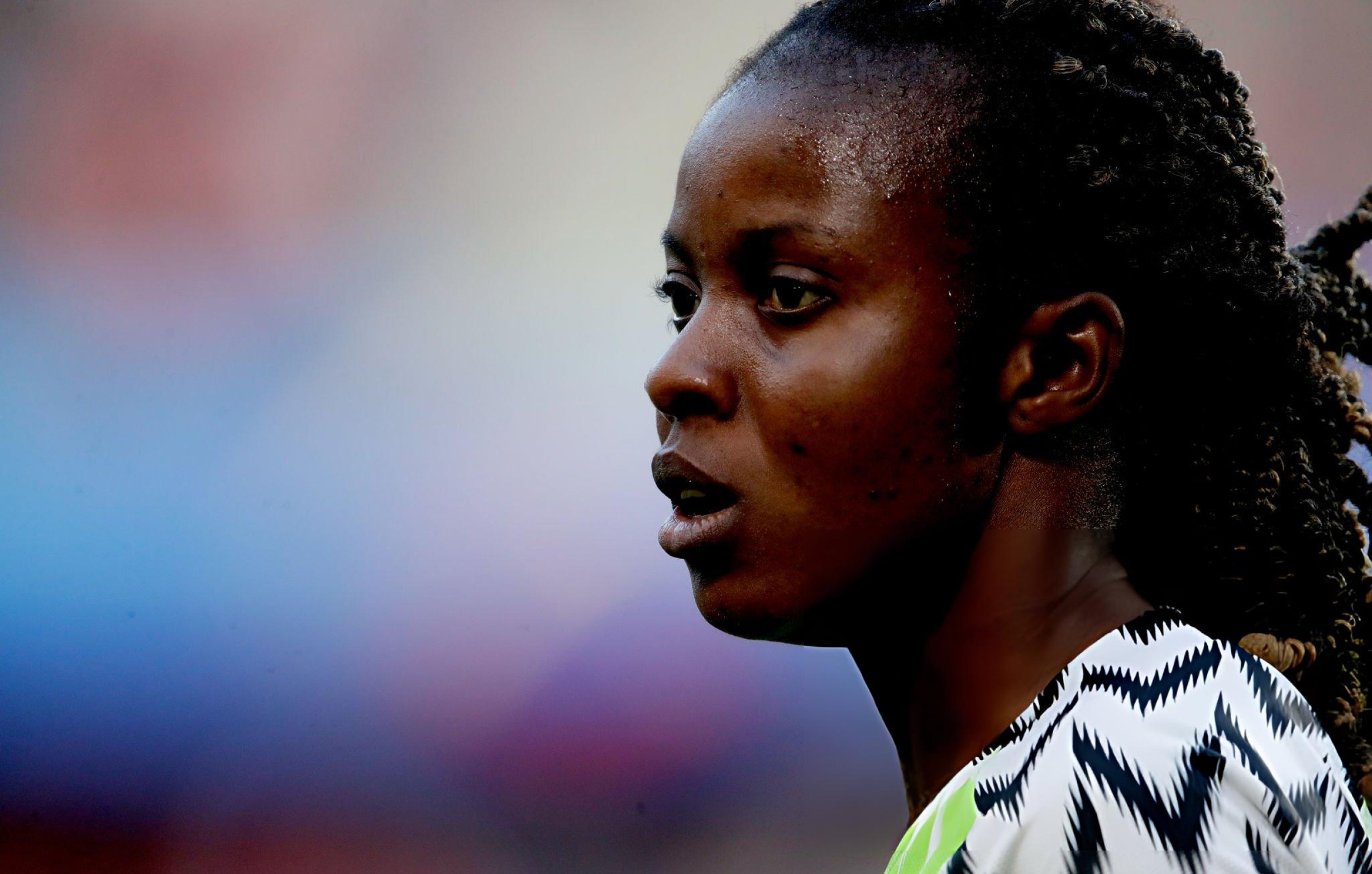
Ngozi Okobi-Okeoghene, a seasoned international soccer player from Nigeria, has dedicated years to competing on fields across Africa and beyond. Yet, she emphasizes that some of the most significant challenges female soccer players face occur off the pitch.
Okobi highlights the societal perception that marriage and motherhood equate to the end of a woman’s sporting ambitions, a viewpoint that is all too prevalent on social media. The accomplished midfielder for the Super Falcons is advocating for a cultural shift in how female athletes are regarded in Nigeria.
She firmly believes that motherhood should not be seen as a limitation. Okobi revealed her personal struggle to return to professional soccer just five months after giving birth, shedding light on the ongoing struggles many women in sports encounter as they try to balance family commitments with elite-level competition.
Challenging Stereotypes Surrounding Women
Okobi has expressed her disappointment concerning the stereotypes that persist around married female athletes. Many erroneously believe that once women enter motherhood, their ability to perform at peak levels diminishes. According to Okobi, society too readily diminishes women who have started families.
She argues that motherhood should be viewed as an empowering aspect of a woman’s life rather than a limitation. Okobi asserts that career-oriented women can achieve incredible things regardless of how many children they have.
The Need for Respect and Support
Addressing another critical issue, Okobi spoke about the harsh scrutiny female athletes often face online, describing the painful and unwarranted criticism they receive. She believes that women in sports deserve respect and encouragement, rather than constant disparagement.
The Super Falcons star’s comments resonate with many female athletes who have voiced concerns about online abuse and societal pressures that frequently force them to choose between family life and professional commitments.
A Foundation of Support
Okobi’s successful return to soccer was made possible thanks to a robust support system. She credits her husband, family, and teammates for their unwavering encouragement during challenging times. Okobi acknowledges that while her career in football holds significant importance, it does not overshadow her role as a mother.
She insists that her family’s support has been critical, especially when she felt both physically and mentally exhausted. This reliance on her support network has been pivotal in enabling her to continue pursuing her athletic goals.
Returning to the Field After Birth
Perhaps the most striking aspect of Okobi’s journey is her admission that she began training just five months after giving birth, a reflection of her determination and resilience. She candidly discusses the difficulties associated with regaining elite-level fitness postpartum, illustrating the physical and mental challenges female athletes face when returning to their sports.
Encouraging Empowerment in Women’s Sports
Okobi calls on society to act as an inspiration for women rather than a barrier to achieving their dreams. She emphasizes the importance of encouraging female athletes to believe that a fulfilling family life and sporting excellence can coexist harmoniously.
Rejecting the notion that being a professional soccer player limits her other life roles, Okobi affirms that playing sports does not hinder her responsibilities as a wife and career woman. Her message transcends soccer, challenging entrenched stereotypes about women, career advancement, and motherhood.
Ultimately, Okobi advocates for a world where women do not have to choose between their family and professional ambitions. Her own journey—returning to professional soccer only months after giving birth—stands as a testament to the power of support, determination, and belief in one’s capabilities.
