


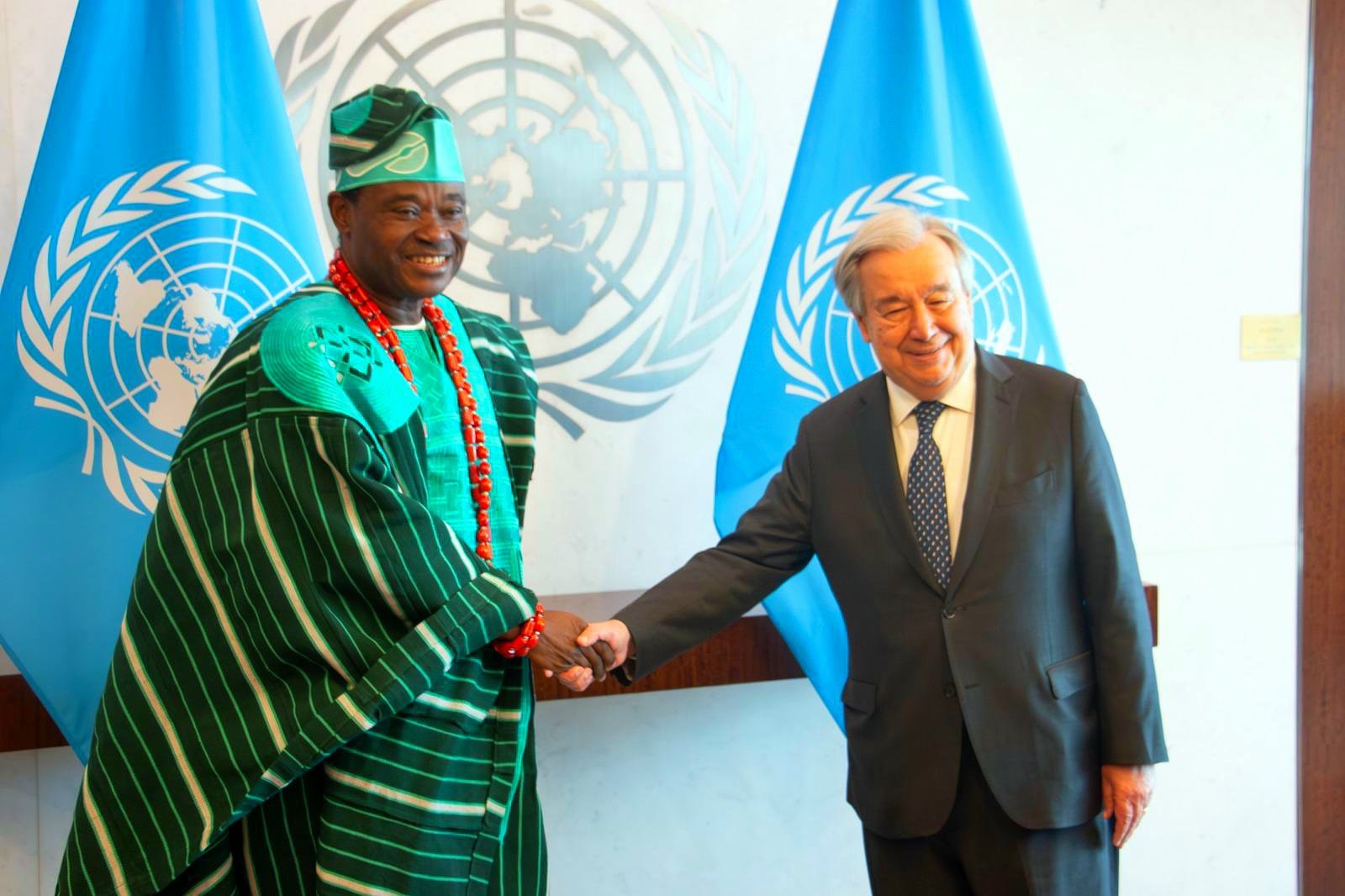
Nigeria’s UN Ambassador Takes Leadership Role in Key Committee
Nigeria’s Ambassador to the United Nations, Jimoh Ibrahim, has been elected as the Chairman of the UN General Assembly’s Fifth Committee. This election empowers Nigeria with a pivotal leadership position within one of the organization’s most influential committees, especially in light of the mounting financial and governance challenges that international entities are currently facing.
Overseeing Budget and Management Policies
The Fifth Committee is tasked with reviewing and approving the UN’s budget and management policies, a responsibility viewed as essential for the organization’s operational efficacy and financial viability. Mr. Ibrahim’s election comes at a critical juncture for the United Nations, as it grapples with intensifying financial strains, demands for institutional reforms, and heightened urgency from Member States amidst evolving global security, economic, and humanitarian crises.
Pledges for Transparency and Inclusiveness
In his acceptance speech, Mr. Ibrahim expressed gratitude towards Member States for their trust and commitment. He emphasized his vow to lead the committee’s initiatives with transparency, inclusiveness, and a results-driven approach, particularly in navigating the complex challenges facing the UN.
Financial Pressures and Member State Contributions
Highlighting the financial obstacles confronting the UN, Mr. Ibrahim pointed out that delays in contributions from Member States are significantly impacting the organization’s budget shortfall. He stressed, “The sustainability of the United Nations depends on predictable and adequate funding,” urging Member States to fulfill their financial obligations to empower the UN’s mandate effectively.
Commitment to Institutional Reform
Mr. Ibrahim also reiterated the importance of ongoing reforms designed to enhance efficiency, accountability, and institutional effectiveness within the UN. He argued that organizations must evolve to meet new global challenges, including geopolitical tensions, economic instability, insecurity, poverty, and rapid technological advancement. Innovation, strong leadership, and data-driven policies are vital for addressing these issues and fostering sustainable development.
Focus on Consensus Building
The central theme of his address was the importance of consensus building, which he identifies as foundational to the operations of the Fifth Committee. He stated, “We must continue to build bridges, accommodate diverse perspectives, and work collaboratively in the spirit of multilateralism to achieve common goals.” Drawing from his experience in the Nigerian National Assembly, particularly in budget oversight, Mr. Ibrahim expressed confidence in cultivating broad support for critical decisions.
Strategic Diplomatic Significance for Nigeria
Officials view his election as a considerable diplomatic victory for Nigeria, emphasizing the country’s increasing stature within multilateral institutions. As global cooperation strains, Mr. Ibrahim’s leadership may serve to enhance Nigeria’s visibility within the UN. Analysts note that the efficacy of this role will greatly depend on how well he directs the committee’s work in the forthcoming months.
Implications for Nigeria’s Global Standing
For many Nigerians, both domestically and abroad, this development has potentially profound implications for the nation’s international reputation, particularly as Nigeria continues to navigate its historically challenged image. Advocates argue that enhanced visibility and effective leadership within global institutions could bolster trust, improve perceptions of the Nigerian passport, and catalyze investment, development, and international partnerships. They emphasize that the responsibility for reshaping Nigeria’s global narrative lies with both civil servants and citizens, and that diplomacy should be integral to this effort.
