


Joint Investigation Center Completes Inquiry into 1,450 Terrorism Suspects
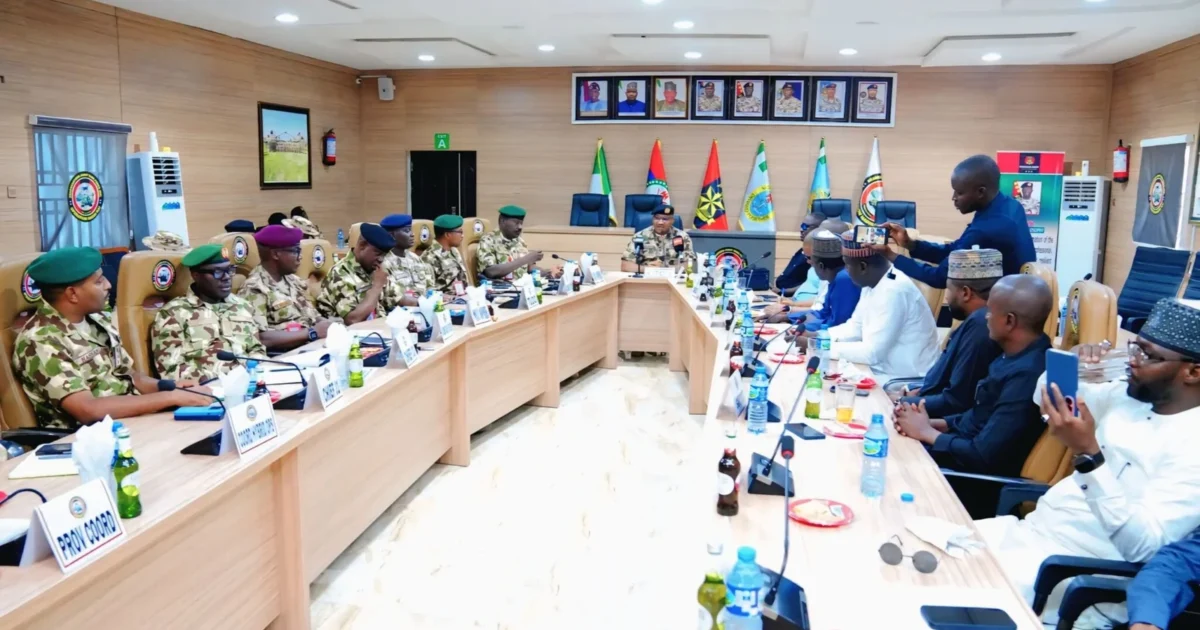
The Joint Investigation Center at Giwa Barracks in Maiduguri has announced the completion of its investigations into 1,450 terrorism suspects. Center officials revealed that over 500 of these suspects are now being processed for prosecution.
Role of the Center in Counter-Insurgency Operations
During a detailed briefing in Maiduguri, Center Commander Brigadier General Yusuf Audu, represented by Captain Puole Obinwale, explained that the facility serves as an integrated interrogation and testing center for suspects arrested amid counter-insurgency efforts. The center plays a crucial role in Nigeria’s ongoing battle against Boko Haram and ISWAP terrorists.
Investigative and Classification Processes
Suspects processed at the center undergo thorough investigations and legal reviews, after which they are classified into three categories: prosecution, rehabilitation, or reintegration. Audu stated that a dedicated complex case work group evaluates all findings and offers legal guidance. This classification system indicates the efficacy of the collaborative investigative and interagency prosecution approach.
Multi-Agency Collaboration
The commander emphasized that the center functions as a multi-agency platform, incorporating personnel from the Nigerian Armed Forces, the Defense Intelligence Agency, and the Nigeria Police Force, among others. Partner agencies include the Nigeria Correctional Service, National Narcotics Law Enforcement Agency, and the Nigeria Immigration Service, supplemented by legal experts from the Office of the Attorney General of the Federation.
Detention Standards and Welfare Initiatives
Audu noted that the facility adheres to stringent detention and documentation protocols. Detainees are held in isolated cells, with particular provisions for women and children, including basic education for minors accompanying their mothers. The center upholds high hygiene standards and collaborates with humanitarian partners to deliver medical services, particularly for infectious diseases like tuberculosis.
Nourishment and Psychological Support for Detainees
Detainees receive three balanced meals daily, supported by a solar-powered water supply system installed with assistance from the International Committee of the Red Cross (ICRC). Upon arrival, detainees are provided with essential clothing, toiletries, and hygiene kits, while the facility undergoes regular fumigation to maintain sanitary conditions. Additionally, the center offers psychological support programs, physical activities, and family communication channels through the ‘Restoring Family Ties’ initiative in partnership with international organizations.
Progress and International Partnerships
Audu reported significant advancements in handling terrorism-related cases, including the collection of biometric data to maintain a national database for security tracking. The center receives robust support from international partners like the International Organization for Migration, United Nations Office on Drugs and Crime, and UNICEF, who contribute to infrastructure, capacity building, and detainee welfare initiatives.
Skills Development and Operational Efficiency
Detainees participate in various skill acquisition programs, including sewing, agriculture, and bakery operations, aimed at equipping them with skills for reintegration into society. The newly established bakery project aims to lower operational costs while providing vocational training. Audu explained that police personnel assigned to the center are selected based on their expertise in fields such as psychology, criminology, and sociology, further enhancing the investigative process.
Recognition of Management and Global Best Practices
Highlighting military-civilian cooperation, the center has welcomed numerous visits from dignitaries, including former defense ministers and UN officials, who have praised its management. The center’s strategies align with global counterterrorism best practices, emphasizing the interconnection between effective counterterrorism measures and the protection of human rights.
