


Environmental Toll of Gas Flaring in Nigeria’s Oil-Rich Delta
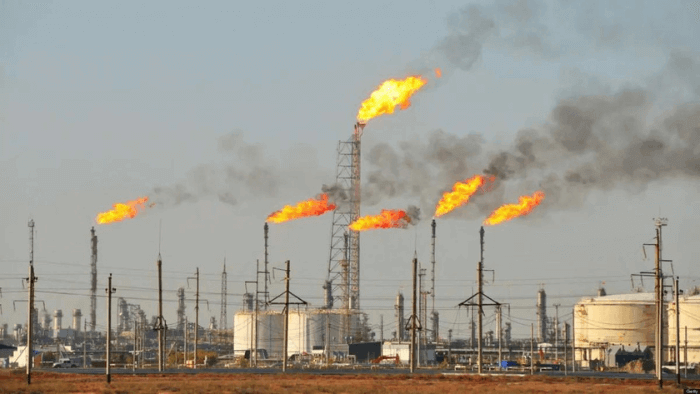
On a sunny Wednesday in early June, the persistent roar of the Heiress Energy and Gas Plant in the Oyibo Local Government Area of Rivers State permeated the air, accompanied by the intense heat radiating from nearby flare stacks. The sight of towering yellow flames contrasting against the daylight added an alarming backdrop to the daily lives of local residents, particularly the car mechanics and spare parts dealers whose shops were located mere meters from the facility.
Gas flaring is a commonplace occurrence in Nigeria’s oil-rich Niger Delta, yet for residents of the host communities, it signifies far more than a mere visual spectacle. This practice poses serious threats to environmental and public health while exacerbating economic challenges. Recent reports reveal that Nigeria continues to be one of the leading gas-flaring nations globally, with the latest Global Gas Flaring Tracking Report by the World Bank indicating rising gas flaring volumes across the globe.
Nigeria Among Top Gas-Burning Nations
A recent report highlights Nigeria’s position among the world’s nine largest gas-burning countries, which also include Russia, Iran, Iraq, Venezuela, Mexico, Libya, Algeria, and the United States. Despite representing only 46% of total global oil production, these nations accounted for a staggering 83% of the total gas produced worldwide in 2025.
Gas flaring involves the burning of natural gas that is produced as a by-product of oil extraction, primarily due to inadequate infrastructure for capturing, processing, and transporting the gas. Environmental advocates have long condemned this practice for squandering vital energy resources and contributing significantly to greenhouse gas emissions.
The World Bank reports that global gas flaring hit 167 billion cubic meters (bcm) in 2025, marking the highest level since 2019. This figure represents a 16% increase from 2012, crystallizing a stark reality where nearly half of the worldwide increase in gas flaring occurred in 2025 alone, resulting in an additional 10 bcm of wasted gas.
Nigeria’s Specific Contributions to Gas Flaring
Data from the report estimates that approximately 9 bcm of gas will be flared in Nigeria in 2025, placing the nation seventh globally among the largest contributors to gas flaring. While Nigeria’s combustion volumes have remained relatively stable in comparison to some other leading oil-producing countries, the nation still ranks prominently in global gas waste contributions, despite years of policy efforts aimed at mitigation.
Russia retained its status as the largest gas flaring country with an increase to around 30 bcm, closely followed by Iran. Iraq recorded nearly 24 bcm, with Venezuela and Mexico occupying the fourth and fifth positions, while Libya, Nigeria, Algeria, and the United States rounded out the top nine contributors.
Environmental Consequences of Flaring
The World Bank has sounded alarms regarding the implications of increased gas flaring on climate goals, stressing that it represents a substantial waste of resources at a time when many nations are grappling with energy shortages. The total gas being wasted through flaring in 2025 is estimated to equal Africa’s entire annual gas consumption. The scale of resources lost is highlighted by the report’s assertion that “more gas is flared globally than passes through the Strait of Hormuz.”
Many countries continue to import significant amounts of natural gas while simultaneously flaring associated gas that could be captured for domestic energy needs. Nations such as Egypt, India, and Iraq provide examples where recovering flared gas could enhance energy security and reduce reliance on imports.
Methane Emissions and Local Impacts
Beyond carbon dioxide, the report underscores the climate impacts of methane emitted from flaring processes. In 2025, global gas flaring is estimated to have released approximately 429 million tons of carbon dioxide equivalent, including methane from incomplete combustion and venting. Methane is recognized as a potent greenhouse gas, exerting a significantly higher warming effect than carbon dioxide in the short term.
Investigations have revealed the dire consequences of this situation for oil-producing communities in Nigeria, such as Ogoniland, where residents have reported severe hydrocarbon pollution from repeated oil spills. These incidents have contaminated farmland and waterways, jeopardizing the livelihoods of local farmers and fishermen.
Regulatory Efforts and Obstacles
For decades, Nigeria has taken steps to eradicate routine gas flaring through a blend of regulatory measures, penalties, and incentives for investment. The Federal Government has introduced initiatives like the Nigeria Gas Flare Commercialization Program (NGFCP), aiming to attract private investment into flare gas recovery projects. Managed by the Nigeria Upstream Petroleum Regulatory Commission, this program seeks to auction previously flared gas to third-party investors for beneficial use, with the ambitious goal of achieving zero routine gas flaring by 2035.
Despite these initiatives, Nigeria faces ongoing challenges, including infrastructure deficiencies, financial hurdles, operational constraints, weak enforcement, and delays in gas extraction projects. Industry experts emphasize that meaningful reductions in flaring will necessitate significant investments in gas processing facilities, pipelines, and domestic gas utilization strategies.
Calls for Immediate Action
The World Bank’s findings underline the urgent need for oil-producing nations to take decisive action to curb routine flaring and capture associated gas. As global demand for cleaner energy rises and governments endeavor to reduce greenhouse gas emissions, the report notes that mitigating gas flaring stands out as a quick and cost-effective strategy to bolster environmental performance while reinforcing energy security.
For Nigeria, these findings amplify the challenge of balancing ambitions for increased oil production with climate change mitigation efforts and the efficient utilization of the nation’s vast natural gas resources.
