


Nigeria’s Oil Ministry Focuses on Regulatory Certainty to Attract Investments
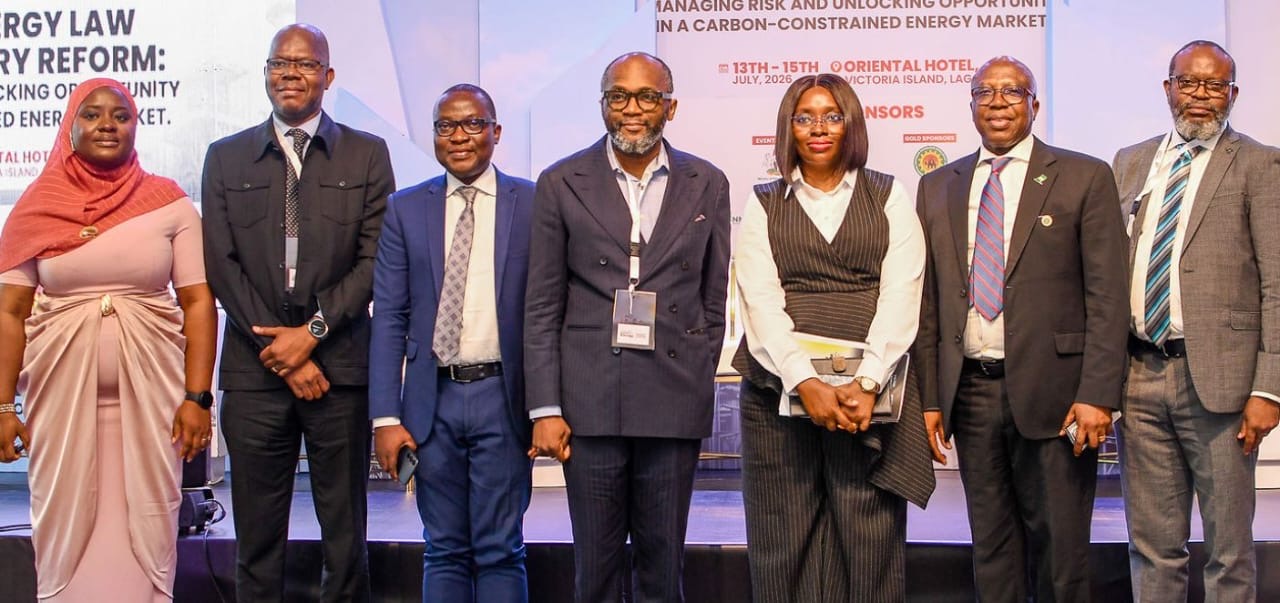
Nigeria’s oil ministry aims to attract investors by promoting regulatory certainty, rather than relying solely on incentives. This message was articulated by Senator Heineken Lokpobiri, the Minister of State for Petroleum Resources, during the International Conference of Energy Lawyers, which took place from July 13 to 15 at the Oriental Hotel in Victoria Island, Lagos. He emphasized that the government intends to navigate the nation’s energy transition on its own terms, rather than adopting frameworks imported from other countries.
Building a Legal Framework for the Energy Sector
Lokpobiri highlighted the concept that capital requires enforcement, not merely legal structures. He referenced the Petroleum Industry Act as a foundational legal framework that regulators are currently developing. According to him, both upstream and downstream regulations are being refined to eliminate gray areas for operators, thereby increasing clarity in decision-making. He also pointed to the Climate Change Act and the domestic carbon credit framework as signals that Nigeria is positioning itself to seize opportunities in climate financing, instead of yielding to competition from other markets.
Implications for Nigeria’s Energy Future
Framing the stakes in generational terms, the minister asserted that current regulatory and legislative decisions will significantly influence the future of Nigeria’s energy sector for decades. He pledged ongoing efforts to reinforce regulatory institutions and ensure the protection of both investors and host communities.
Fragmentation Hinders Investment Across Africa
On a regional scale, Farid Ghezali, Secretary General of the African Oil Producers Organization, painted a more somber picture regarding Africa’s investment climate. Speaking remotely, he noted that potential resource opportunities are not enough to attract capital; investors increasingly prioritize regulatory consistency, fiscal predictability, and effective contract enforcement. Ghezali pointed out that over 50 distinct legal and regulatory systems govern oil activities across the continent, and this fragmentation raises operational costs, delays projects, and diverts capital to jurisdictions that offer legal stability.
Challenges to Pan-African Energy Projects
Ghezali identified that this regulatory disarray is undermining transnational infrastructure initiatives, including cross-border pipelines and integrated gas markets. Incompatible legal frameworks transform commercial opportunities into legal disputes, further exacerbating uncertainty—one of the continent’s significant hidden costs. He stressed that a coordinated approach to standards concerning licensing, transparency, and dispute resolution could facilitate collaboration without requiring any country to surrender its legal autonomy.
Existing Initiatives for Collaboration
He pointed to the African Petroleum Regulatory Forum as a successful model for fostering cooperation among member states. This initiative is already creating a consensus around safety and environmental monitoring. Ghezali cautioned that unless African governments and businesses proactively participate in global energy transition discussions, they risk having regulations imposed upon them. He called for more significant contributions from diverse community segments, including youth and women, in shaping future energy policies.
Legal Professionals’ Role in Energy Transition
George Etomi, Chairman of the Energy Lawyers Network, emphasized the critical role legal practitioners play in balancing objectives related to climate change with energy security and economic growth. He noted that effective outcomes hinge on the establishment of stronger dispute resolution mechanisms and enhanced collaboration between regulatory bodies and industry stakeholders.
Network’s Goals for Development Priorities
Rakiba Oroko, the network’s founder and executive director, reiterated that the event was designed to empower African nations to carve out a transition strategy that aligns with their developmental goals. Since its inception in 2015, the Energy Lawyers Network has evolved into a pivotal platform for government officials, legal advisors, academics, and industry members, utilizing conferences and training sessions to incrementally develop regulatory competencies within Africa’s energy landscape.
