


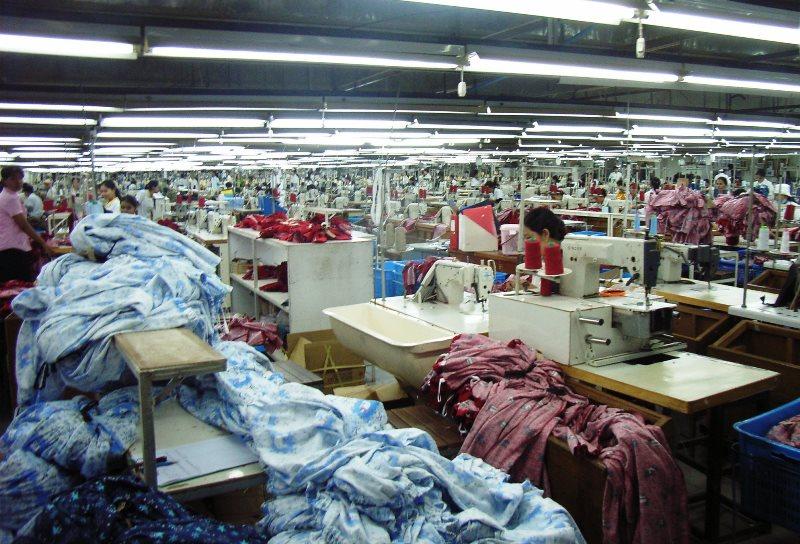
Government Unveils Plans to Revitalize Nigeria’s Textile Industry
The Federal Government has announced a significant initiative aimed at revitalizing the lagging textile sector in Kaduna and throughout the country. This effort is a crucial part of broader strategies to restore Nigeria’s textile and apparel industry to its former heights, with an emphasis on creating employment opportunities.
Stakeholder Engagement in Kaduna
This initiative was unveiled during a dialogue session with stakeholders participating in the National Cotton Textile and Garment Industry Transformation Program, hosted by the Federal Ministry of Industry, Trade and Investment in Kaduna.
Strategic Focus on Key Assets
Mr. Emme Bassey, Special Adviser on Cotton, Textiles, and Garments to the Minister of Industry, highlighted the importance of the Kakuri textile hub in Kaduna as a pivotal asset. A comprehensive roadmap has been outlined, focusing on the revitalization of this strategic location.
Policy Enhancements to Foster Investment
Bassey emphasized that specific regions, including Kaduna, have been earmarked as crucial for reinvigorating the industry. The revitalization plan will entail substantial upgrades to the physical infrastructure of facilities like Kakuri, which, despite their current poor condition, remain vital to the sector.
Incentives for Private Sector Engagement
The ministry is also strategizing to attract private investment through the introduction of new policies centered around fiscal, financial, skills development, and regulatory frameworks. A forthcoming revision of the 2015 policy aims to provide a clearer implementation roadmap to spur investments.
Strengthening Local Cotton Production
To bolster local cotton production and ensure a steady supply of raw materials, Bassey pointed to the importance of collaboration with research institutions, development partners, and both federal and state agencies. This cooperative approach aims to address challenges within the cotton value chain, improving both quality and quantity.
Financial Support for Growth
The ministry is currently in discussions with industrial and agricultural banks to facilitate access to affordable loans and subsidies, particularly targeting small and medium-sized enterprises. Funding is crucial for the success of the transformation program, which is structured in four phases. The first phase has been completed, while the second will focus on policy development and institutional support, and the third aims to enhance production capabilities.
Energy Challenges and Future Outlook
Addressing the ongoing issue of high electricity costs, Bassey acknowledged this challenge and noted that initiatives are underway to utilize natural gas as a more economical energy source for textile manufacturing. Kaduna State Agriculture Commissioner Murtala Dabo emphasized that a revitalized textile sector would directly benefit cotton farmers, who have struggled since the industry’s decline.
Collaborative Efforts for a Thriving Industry
Local officials, including Waheed Musa, Permanent Secretary at the Kaduna State Ministry of Business, Innovation, and Technology, reiterated their commitment to revitalize the textile industry in northern Nigeria, which has seen the closure of numerous enterprises in recent years. Musa expressed optimism that renewed governmental focus and private investment would breathe life back into the sector, once a cornerstone of Nigeria’s economy.
Conclusion on Prospective Growth
Stakeholders concluded that with synchronized policies, infrastructure development, affordable energy solutions, and financing options, Nigeria’s textile and apparel sector is poised to reestablish itself as a pivotal hub for job creation, reducing imports, and boosting exports across Africa.
