


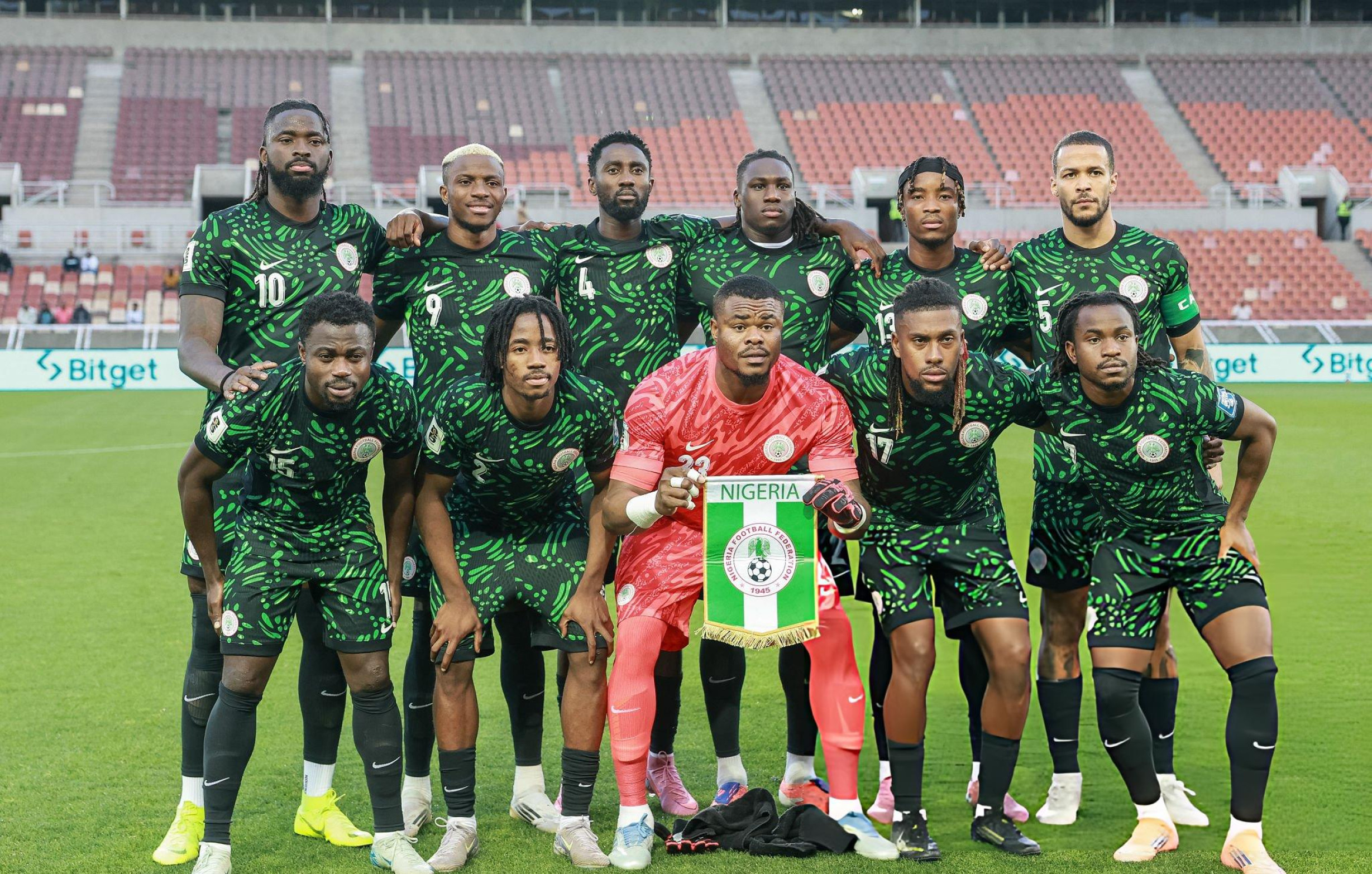
Nigeria Loses Spot in Upcoming FIFA World Cup
With less than 30 days until the kickoff of the 2026 FIFA World Cup, Nigeria is set to be among the countries absent from this prestigious global event. For many Nigerians, the looming tournament is a stark reminder of their fading connection to a once-vibrant football legacy.
A Generation Without World Cup Experience
The Super Eagles last featured on soccer’s biggest stage in 2018, a time when many Nigerians born in that year were still in secondary school. Now, as these young adults graduate from university, an entire generation has grown up without witnessing Nigeria’s performances in the World Cup. This absence is particularly painful, as the players from the 2018 squad have largely retired, leaving the current roster without firsthand experience of the thrill and pressure of representing their nation on such a grand scale.
The Contrast of Past Successes
In 2018, Nigeria successfully navigated one of the toughest qualifying groups in the Confederation of African Football (CAF), finishing ahead of Cameroon, Algeria, and Zambia with a total of 13 points. Qualification felt like a routine achievement at the time, especially as Nigeria had succeeded in four of the previous five World Cups. Yet, few anticipated that two consecutive absences from the tournament would follow.
A Look Back at the 2018 Group Stages
During the 2018 World Cup in Russia, Nigeria was placed in Group D alongside formidable opponents: Argentina, Croatia, and Iceland. Although the Super Eagles put up competitive performances, finishing third in their group, the disappointing results—losing to Croatia, drawing with Iceland, and narrowly falling to Argentina—signaled the end of their campaign. Little did anyone realize this would mark the last appearance for years to come.
The World Cup’s Transformation and Nigeria’s Isolation
Since Nigeria’s last appearance, the World Cup has evolved into a commercial juggernaut. The 2022 tournament in Qatar marked a significant financial success for FIFA, generating $7.5 billion in revenue. This upward trajectory will continue, especially with the expanded format of the upcoming 2026 edition, which will see an increase in teams from 32 to 48 and an ambitious revenue target of $13 billion. Unfortunately for Nigeria, the country will receive none of these financial benefits.
The Broader Impact of Absence from International Football
Nigeria’s absence from the World Cup not only hinders the national team’s progress but also diminishes the visibility of its players on the world stage. The football marketplace relies heavily on the tournament to showcase talent and uplift players’ careers. Consequently, young talents in Nigeria’s domestic leagues miss crucial opportunities for recognition and advancement. Furthermore, no Nigerian referee is among the selected officials for the upcoming tournament, an additional marker of Nigeria’s diminishing role in international football.
Economic and Cultural Ramifications
The Nigeria Football Federation stands to lose an estimated $10.5 million in participation guarantee funds, a sum that represents a significant portion of its annual budget. This downturn will also adversely affect local businesses that rely on the World Cup for revenue, including viewing centers, bars, travel agencies, and media companies. Beyond financial implications lies an emotional void; football in Nigeria transcends mere sport, acting as a unifying force that bridges divides across tribal and political lines. The absence of the Super Eagles means that once-thriving celebrations will now be replaced by a muted experience of spectatorship.
The Need for a Rebuild Before Future Tournaments
As the 2030 World Cup approaches, Nigeria is forced to re-evaluate and re-energize its footballing setup. Major reforms in scouting and infrastructure are essential, with grassroots development needing prioritization. The path to returning the Super Eagles to their rightful place in football’s elite will require more than talent; it demands strategic planning and stable governance to foster a new era of success.
