


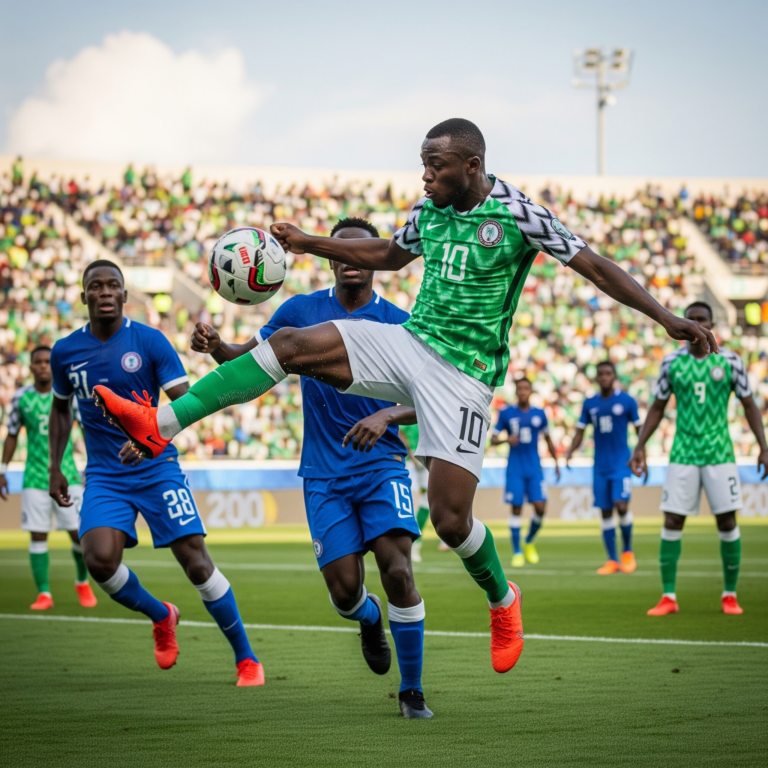
2026 FIFA World Cup: Nigeria’s Qualification and Playoff Challenges Unveiled
The journey of a Nigerian football fan is fraught with emotional highs and lows. After watching the last tournament from home, the pain of missing the match against Qatar lingers. As the nation prepares for the qualification process for the 2026 FIFA World Cup, the stakes have never been higher. With a wealth of talent on the field, the Super Eagles must achieve consistency, maintain strong managerial focus, and skillfully navigate the complexities inherent in African football.
The Pressure of Expectations for the Super Eagles
In a country where soccer reigns supreme, the prospect of losing qualification for a second consecutive World Cup is simply unacceptable. The pressure is palpable as fans reflect on high-stakes events like the FIFA World Cup and UEFA Champions League final, which stand as monumental spectacles rivaling the Olympics in global appeal. For Nigeria, returning to the world stage hinges on successfully navigating a challenging group stage while mentally preparing for unforeseen obstacles that could arise along the way.
The Unpredictability of African Football Qualifications
The current predicament stems from a qualification process that initially seemed straightforward on paper. However, African football is notoriously unpredictable; underestimating opponents can lead to dire consequences. A dropped point at home against a lower-ranked team could drastically alter the landscape of World Cup qualification standings, intensifying the pressures on the national team.
The Tactical Challenges Facing the Super Eagles
A significant concern lies in the integration of a star-studded offensive lineup with a midfield that sometimes struggles to dictate the game’s tempo. Recent discussions in Lagos sports circles reveal heated debates about tactical missteps and questionable substitutions, leaving fans bewildered. Addressing these issues demands more than just additional training; players must undergo a substantial psychological transformation to understand that a full 90 minutes of unwavering concentration is essential.
The Impact of Player Fatigue on Performance
Another critical but often overlooked factor is player fatigue. The elite players from the five major European leagues—Spain, England, Germany, Italy, and France—play an excessive number of high-intensity matches each season. By the time Nigerian stars join the national team for international duty, they often arrive with heavy legs after 50 to 60 games. This fatigue poses a considerable risk as playoff games approach, where a single mistake could undo four years of hard work.
The Challenges of Upcoming Playoff Matches
Already, sports media outlets are analyzing potential opponents, revealing challenging paths ahead. Nigeria is likely to face physically dominant North African teams skilled at disrupting the rhythm of fast-paced attackers. Traveling to these away matches will subject players to hostile stadium atmospheres and unpredictable pitch conditions that test mental fortitude. The tight schedule allows only three days between the first and second matches, putting immense pressure on both players and coaching staff to keep the squad fresh and focused.
Final Steps Toward Qualification for FIFA 2026
As the qualification journey progresses, the imperative is clear: Nigeria must transform potential into reality. The organization of upcoming matches must run smoothly, avoiding travel delays, pitch complaints, or logistical issues that could disrupt preparation. The history of the Nigerian national team is a testament to resilience; when pushed to the brink, they have often found ways to achieve the extraordinary. With sufficient talent and a unified approach on the field, the destination of qualifying for the 2026 World Cup is still within reach, providing an opportunity for the team to silence critics and reclaim their rightful place among the elite.
