


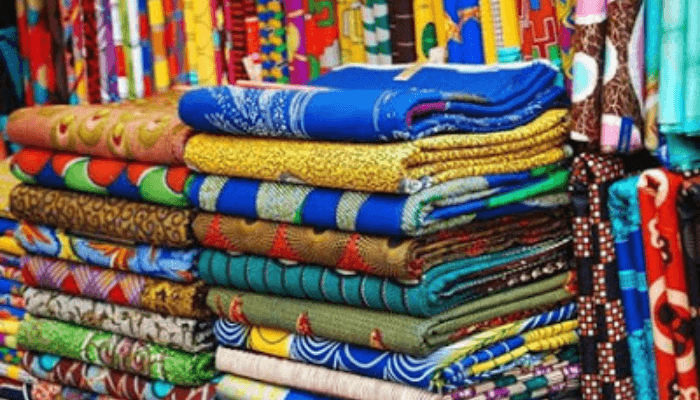
Challenges Persist in Nigeria’s Cotton and Textile Industry
Despite the Nigerian federal government’s ambitious initiatives to rejuvenate the cotton, textiles, and garments (CTG) sector, many once-prosperous factories remain idle. Cotton production has plummeted, and imported textiles continue to dominate the market, all despite significant investment commitments and a variety of policy interventions totaling billions of dollars.
Major Investment to Revitalize the Sector
The latest efforts to revitalize this vital industry are bolstered by a substantial $3.5 billion investment allocation. This comprehensive recovery plan is set to address the myriad challenges faced by Nigeria’s cotton, textile, and apparel sectors. During a cabinet briefing to commemorate President Bola Tinubu’s first year in office, Doris Uzoka-Anite, then Minister of Industry, Trade and Investment, emphasized the sector’s potential to drive industrial growth, create jobs, attract foreign investment, enhance exports, and alleviate poverty.
Government Collaborations to Foster Growth
Just three months later, the Nigerian government reaffirmed its commitment by partnering with the International Cotton Advisory Committee (ICAC) to renew cotton production and revitalize related value chains. At a meeting in Abuja, Vice President Kassim Shettima highlighted the initiative’s potential to generate approximately 1.4 million new jobs annually across all aspects of the cotton and textiles industry. He stressed the urgency of developing a practical roadmap for effective implementation.
Establishment of Regulatory Frameworks
In April 2025, the National Economic Council approved the formation of the Cotton, Textiles, and Clothing Development Board, aimed at steering policy execution and financing throughout the value chain. This board will receive partial funding from textile import duties collected by the Nigerian Customs Service. The government has also set ambitious objectives, including increasing operational textile factories from about 24 to 70 and creating between 1.4 and 1.5 million direct and indirect jobs. The overarching goal is to make Nigeria a competitive player in the global textile market, projected to reach a valuation of nearly $2 trillion.
Local Production Efforts Yield Mixed Results
John Owan Enoh, the Minister of State for Industry, Trade and Investment, recently announced that a six-month pilot initiative had successfully produced 10,000 T-shirts made from locally sourced cotton. This achievement aimed to showcase Nigeria’s capability to transform local cotton into competitive finished products within a short timeframe. However, the reality for many textile hubs across Nigeria reveals a stark contrast, as numerous factories continue to languish in abandonment.
The Decline of a Historical Industry
The Asaba Textile Mill, established in 1964, serves as a poignant reminder of the industry’s decline. Once boasting over 5,000 employees and considerable output, the facility is now largely inactive, its equipment damaged or dismantled due to prolonged financial issues. The trend is evident across notable companies, including Kaduna Textiles Limited and United Nigerian Textiles Limited, many of which have ceased operations or significantly curtailed their manufacturing activities.
Dependence on Imports and Looming Challenges
Industry experts warn that the persistent closures of these factories highlight a systemic issue within Nigeria’s industrial policy, where ambitious initiatives have failed to yield substantial progress. Although the government promotes new schemes to revitalize the sector, economic indicators reveal a continued reliance on imported textiles. In the first nine months of 2025, Nigeria’s textile imports reached approximately N814.27 billion, reflecting a 47.4% increase from the previous year. The ongoing decline in local cotton production, which has dropped from around 2.5 million tonnes in the early 2000s to a mere 10,000 tonnes today, has exacerbated the challenges facing the industry.
