


A Legacy of Youth Soccer in Norway
Twenty years ago, in the quaint Norwegian town of Bryn, a group of elementary school children gathered most weekends to play pick-up games on an indoor soccer field. This space, often left unlocked, allowed local children to indulge in year-round soccer, fostering a sense of community and imagination. The children would frequently split into teams and envision themselves competing on a grand stage, dubbing their games the “World Cup.”
Erling Haaland: From Local Fields to Global Stardom
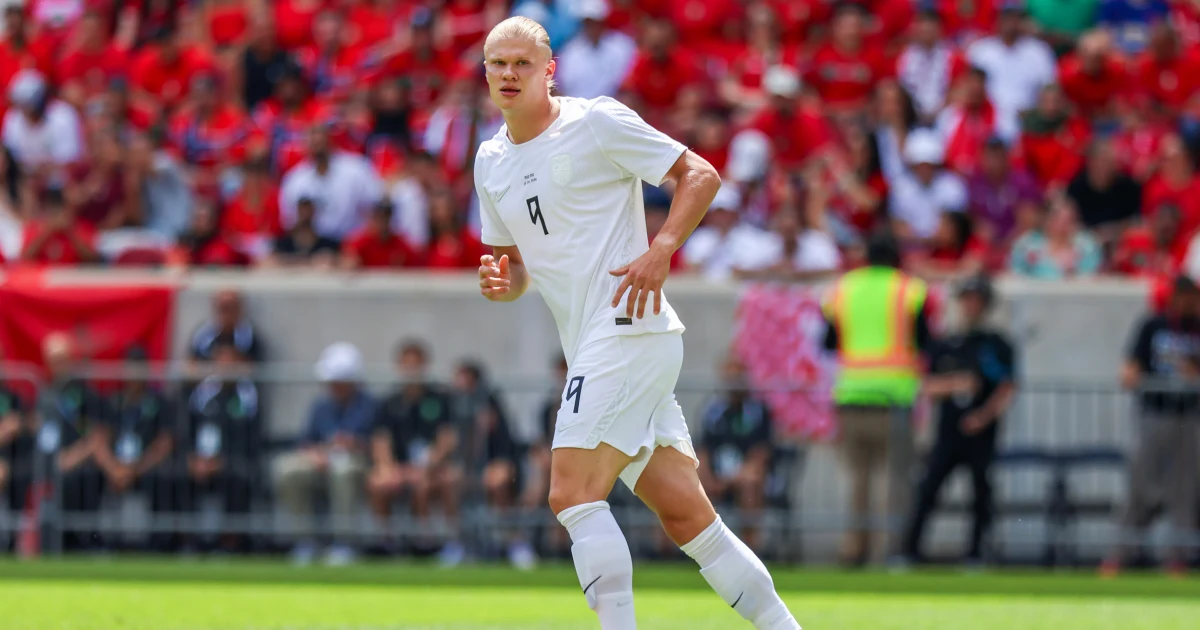
Among these young players was Erling Haaland, a tall, blonde forward who has since ascended to become one of the world’s most prolific goal scorers. This Tuesday, he will lead Norway into their first World Cup appearance in 28 years, an event laden with significance for a nation longing for a triumphant return to the international stage.
The Role of a Progressive Youth Sports System
Haaland’s rise cannot be attributed solely to talent; his lineage is noteworthy, with his father having played in the English Premier League and for the Norwegian national team, which last qualified for a World Cup in 1998. However, Haaland’s success is also a testament to Norway’s forward-looking youth sports system. Globally recognized for its emphasis on developing children athletically, Norway has achieved astonishing youth participation rates and culminated in Olympic success, which is remarkable for a nation of its size.
Core Principles of Children’s Rights in Sport
The structure of Norway’s youth sports is underpinned by eight core principles enshrined in the country’s framework for ‘Children’s Rights in Sport.’ These principles, established four decades ago, ensure that all children have access to sports, regardless of their financial background. The focus is not only on competition but also on promoting fun, friendship, and safe environments. Importantly, children are empowered to dictate the extent of their involvement in sports.
Inclusivity Over Competitiveness in Youth Sports
Children can join local teams as young as six, but regional competitions only begin at age nine, and results are not tracked until kids turn eleven. The national championships are open to participants aged twelve and up, and the low cost of participation is made possible through extensive volunteer support and funding from the national gambling company.
The Importance of Healthy Play and Competition
John Solomon, research director at the Aspen Institute’s Sport and Society Program, emphasizes how Norway’s unique approach, grounded in human rights, defends children’s rights in sports. The emphasis on friendship, enjoyment, and developmentally appropriate play not only nurtures happy, active children but also serves as a pathway to cultivate elite athletes over time.
High Participation Rates and Cultural Engagement
Currently, around 93% of Norwegian children participate in youth sports, a stark contrast to the approximately 55% participation rate in the United States. Martin Erikstad, an associate professor at the University of Agder, highlights that this inclusivity should not be seen as anti-competitive but rather a mindful approach to introducing competition gradually. Soccer, in particular, thrives in Norway during the warmer months, as children flock outdoors, engaging in matches on countless makeshift fields.
Understanding the Youth Soccer Experience
The renowned Norway Cup serves as a prime example of this ethos. Established in 1972, it has grown to become the largest youth soccer tournament globally, attracting 30,000 players and nearly 600,000 supporters. The tournament maintains a focus on enjoyment rather than relentless competition, as winning trophies is reserved for older age brackets. This philosophy resonates throughout the Norwegian youth sports system, fostering a love for the game that prioritizes friendship and lifelong engagement.
Nurturing Elite Athletes Through Community Support
Research conducted by Erikstad and his team revealed insights into the culture surrounding soccer in Bryn FK, where players trained just once or twice a week until they turned ten. During practices, a respectful and supportive environment was cultivated, empowering children to develop not only as athletes but also as disciplined individuals. Notably, ten players from the club progressed to regional teams, demonstrating that high levels of participation and individual growth do not have to exist in isolation.
A Sporting Powerhouse on the World Stage
Norway’s approach has positioned it as an unassuming powerhouse in sports. Despite a modest population of 5.6 million, Norway has excelled in various disciplines, consistently ranking among the top nations in Olympic medal counts. While women’s soccer has thrived, with multiple World Cup appearances and highlights, men’s soccer has seen its own challenges. As the national team gears up for its much-anticipated World Cup opener against Iraq, the nation is abuzz with excitement, eager to see if the new generation, including stars like Haaland and Martin Ødegaard, can rewrite the country’s soccer narrative.
