


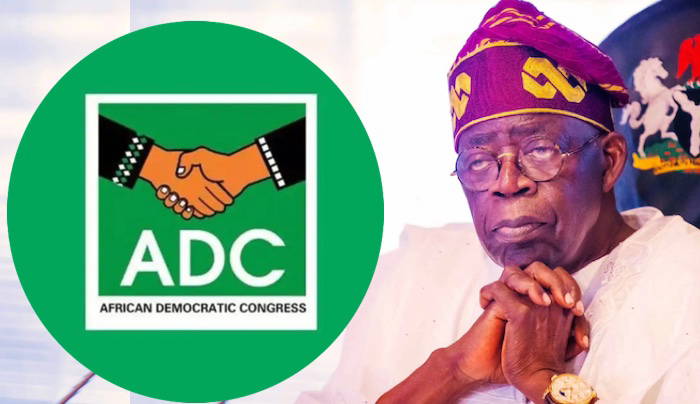
ADC Leader Sees 2027 Election as a Defining Moment for Nigeria
Kola Ologbodiyan, leader of the African Democratic Congress (ADC), has declared that the 2027 general election will mark a pivotal confrontation between the Nigerian populace and President Bola Tinubu. He has dismissed the idea that financial resources will play a decisive role in the upcoming campaign.
Concerns Over Democratic Integrity and Financial Influence
Ologbodiyan’s comments come at a time when there are increasing fears among opposition groups that the current administration is steering Nigeria towards a one-party system. He posited that the political landscape as the country approaches the 2027 elections is indicative of a broader struggle for democratic equilibrium, moving away from conventional conflicts driven by financial power.
Voter Sentiment Amidst Financial Disparities
While acknowledging that the ruling government possesses greater financial resources, Ologbodiyan emphasized that such an advantage does not guarantee electoral success. He noted that Nigerian voters are becoming increasingly savvy to political spending patterns, suggesting that they are likely to make choices that are less influenced by financial inducements.
Changing Dynamics in Electoral Influences
Ologbodiyan remarked that the ADC may not match the government’s financial capabilities; however, he underscored that this election transcends mere monetary considerations. He pointed out that voters are now more inclined to leverage financial offers against candidates, indicating a shift towards a more discerning electorate.
Threats to Political Pluralism
The ADC leader echoed concerns from the broader opposition about the potential erosion of Nigeria’s democratic framework if political pluralism continues to weaken. He warned that efforts to concentrate power within a single party would likely provoke resistance from a citizenship that values its democratic choices.
Grassroots Dynamics in Decision-Making
Ologbodiyan expressed confidence that the will of the voters would prevail despite attempts to stifle opposition through strategic defections and alliances. He asserted that elections in Nigeria ultimately hinge on grassroots sentiment, where decisions are shaped by the lived realities of the populace.
Key Issues for Voter Engagement
Addressing economic hardship, unemployment, and security as top voter concerns, Ologbodiyan stressed that these issues transcend political affiliations, urging voters to make choices reflective of their desire for meaningful change. He acknowledged the resource mobilization challenges facing opposition parties but insisted that unity and a clear, credible message could counter financial imbalances effectively.
Potential Shift in Opposition Strategy
Political analysts observe that Ologbodiyan’s comments signify a new narrative within the opposition, suggesting that the upcoming election may serve as a referendum on Tinubu’s governance rather than a race primarily driven by campaign financing. As the political landscape evolves, focus is expected to turn towards how both ruling and opposition parties engage with voters, articulate policy proposals, and tackle the pressing issues that face the nation.
