


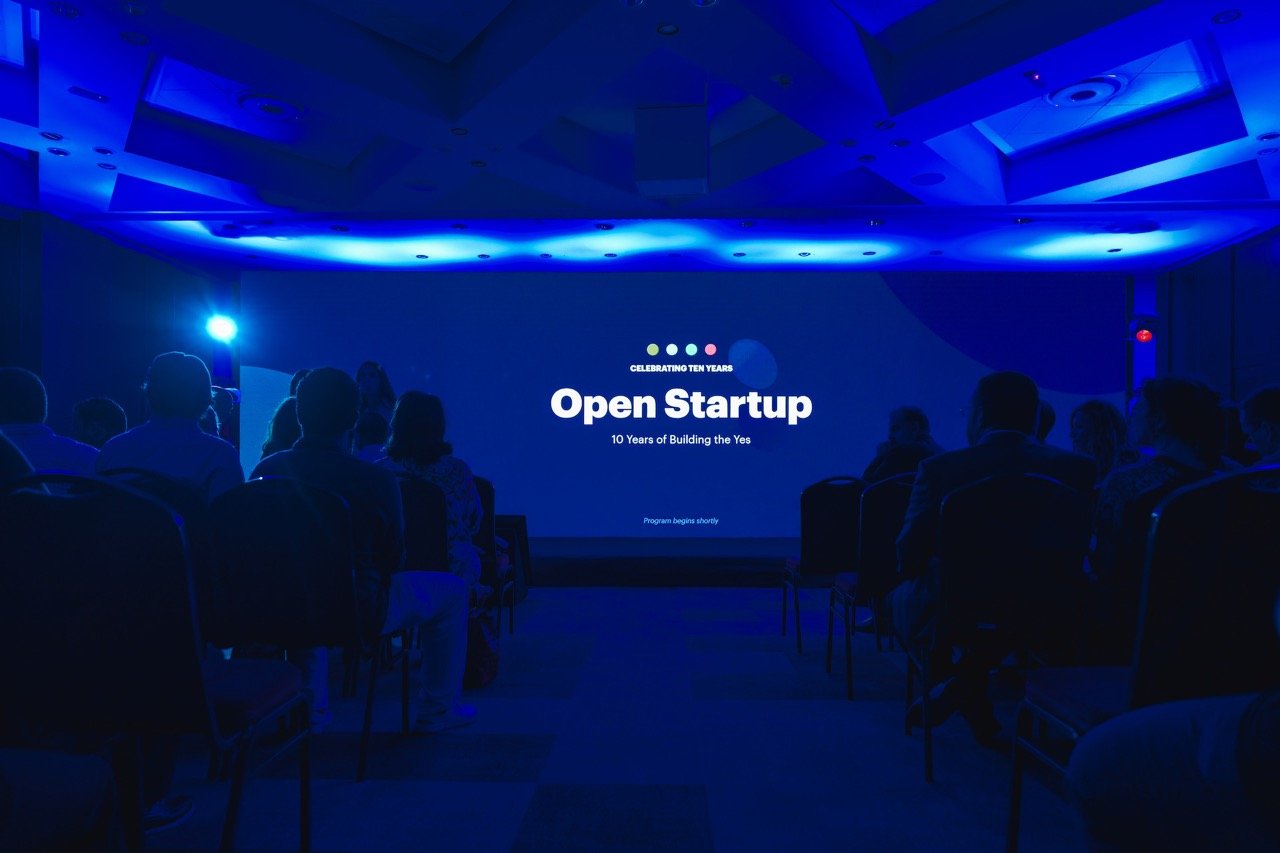
Open Startup’s Anniversary Marks a Shift Towards Science and Deep Tech
Open Startup, a pan-African accelerator focused on nurturing entrepreneurial talent, is celebrating its 10th anniversary by implementing a strategic shift. On June 29, the Tunisian-based organization unveiled a new initiative called “Science Road,” targeting science and deep tech ventures across Africa. This new direction includes the creation of an investment arm known as Openers First, which will provide early-stage funding to select startups.
Understanding Deep Tech
Deep tech encompasses businesses founded on substantial scientific or engineering breakthroughs, distinguishing them from traditional software and app-based models. Examples include advancements in medical diagnostics, biotechnology, climate technology, and robotics. These ventures often emerge from academic research, requiring years of development and substantial capital before reaching profitability.
The unique nature of deep tech makes it challenging to secure funding compared to faster-returning fintech and consumer platform startups. Consequently, many science-driven founders find themselves caught in what is termed the “valley of death,” where their projects are too advanced for typical grants but too nascent for conventional investors.
Opportunity Beyond Tunisia
This funding gap is precisely what Open Startup aims to address. Currently, a significant portion of Africa’s venture capital remains concentrated in a handful of markets and sectors. In 2025, Kenya is projected to lead with around US$984 million, contributing to a broader recovery of US$3.2 billion in venture capital. The ‘big four’—Kenya, Egypt, South Africa, and Nigeria—command a staggering 82% of this total funding. While deep tech ventures have collectively raised over US$3 billion in the past decade, the supporting research ecosystems are severely underfunded.
This scenario illustrates a disconnect where existing scientific potential is not translating into viable startups. Open Startup is positioning itself to bridge this critical gap.
Background of Open Startup
Founded in 2016 as a university entrepreneurship competition in Tunisia, Open Startup has evolved into a continental platform connecting founders with investors, universities, and policymakers. The organization claims to have engaged more than 3,000 founders and supported over 1,000 startups across 20 African nations, all bolstered by a community of mentors and advisors.
However, it’s important to note that the organization’s website cites lower statistics, indicating over 600 supported startups, including 40 deep tech ventures. The discrepancy likely arises from different methods of counting, which may include various levels of involvement, from full accelerations to lighter initiatives such as competitions. The organization is expected to provide clarity on this matter.
Structure of the Science Road Initiative
Science Road consolidates existing programs into a streamlined acceleration platform featuring two key pathways. The first pathway targets early-stage innovators focused on transforming their research into investable propositions. The second is dedicated to seed-stage startups preparing to scale their validated technologies.
Accompanied by Openers First, this initiative aims to provide funding to startups at the critical juncture between these two stages. Selected ventures can receive micro-investment awards of up to USD 20,000, or approximately Ksh 2.6 million, which can be pivotal for pre-revenue scientific enterprises requiring support to advance from prototype development to market entry.
This initiative spans from Tunisia to South Africa and will enhance partnerships with South African institutions like the Centre for Epidemic Response and Innovation (CERI) at Stellenbosch University and LaunchLab, the university’s startup incubator. CERI, led by Professor Tulio de Oliveira, is renowned for its genomic surveillance efforts, particularly during the COVID-19 pandemic.
Funding Challenges Ahead
Importantly, Open Startup has not disclosed specifics regarding the size of the Openers First fund, which entities are supporting it, or the number of startups it intends to fund. While the organization has successfully collaborated with notable partners such as the European Union and MIT, past initiatives reveal a common struggle: while mentorship may be accessible, securing sustained financial backing poses a greater challenge.
Dr. Huda Gozzi, founder and CEO of Open Startup, identifies a cultural aspect to this funding gap, estimating only 300 to 500 deep tech startups operating across the continent, with the majority based in South Africa, Nigeria, Ghana, Tunisia, and Morocco. She emphasizes that role models in entrepreneurship are just as critical as capital in motivating aspiring scientific entrepreneurs.
Ultimately, Open Startup aims to position scientific ventures as the next engine of growth for Africa while backing this belief with its own funding commitment. The focus has shifted to securing financial support for these initiatives, raising key questions about the scale of Openers First and its potential to attract larger investors into a historically overlooked segment of the African technology landscape.
