


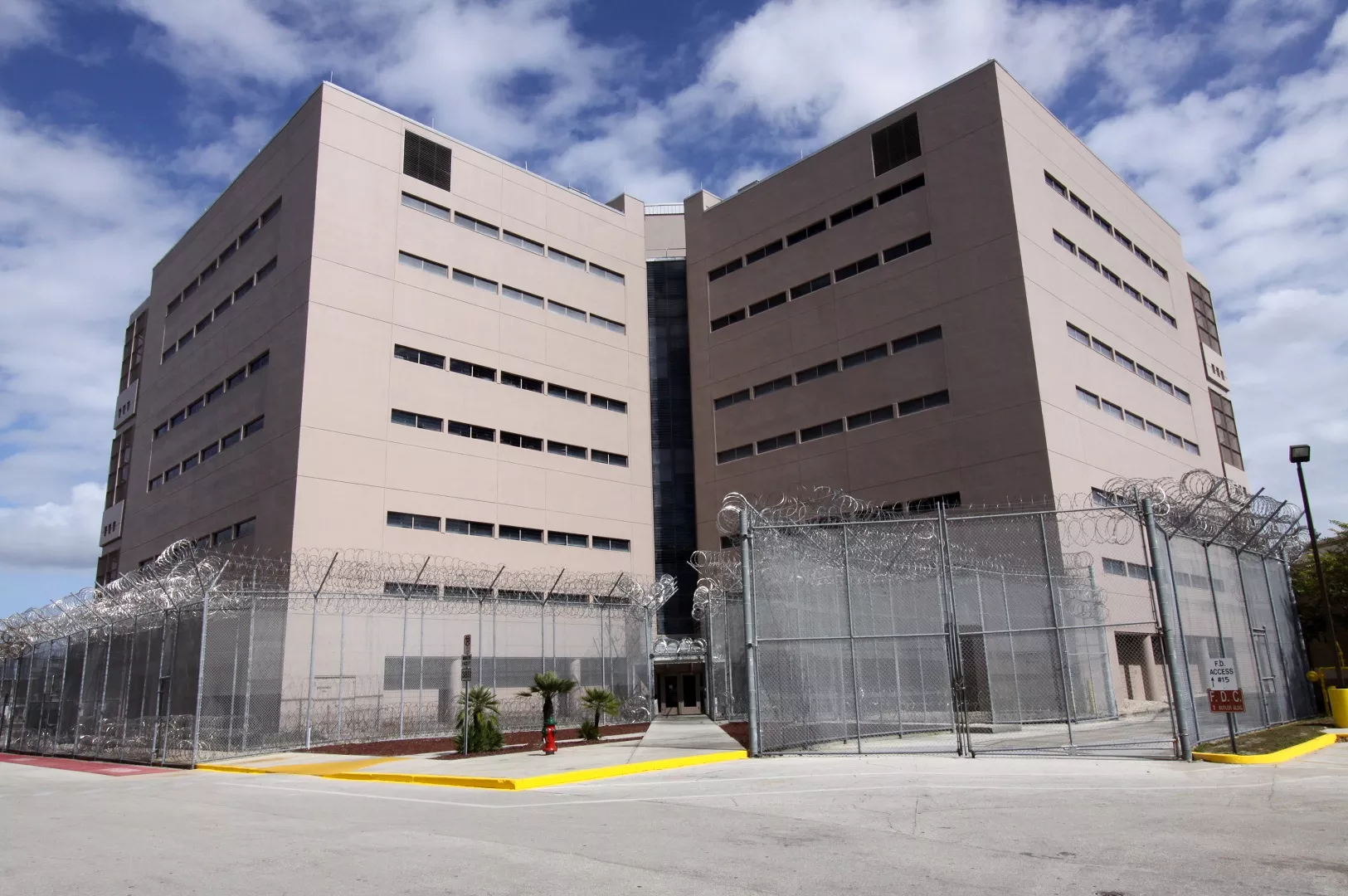
Changes in Orange County’s Jail Agreements with Federal Agencies
On June 29, an amended agreement between Orange County and the federal government came into effect, enhancing reimbursement rates for counties temporarily housing individuals at the Orange County Jail for federal agencies like the Drug Enforcement Administration (DEA). Notably, this agreement excludes U.S. Immigration and Customs Enforcement (ICE).
Following nearly a year of negotiations with the U.S. Marshals Service, the federal reimbursement rate for counties detaining federal prisoners for up to 72 hours will increase from $88 to a maximum of $125 per person per day.
In a separate development, a new agreement with ICE, approved by county leaders last month, restricts the duration for which local jails must detain individuals under federal immigration holds. ICE signed this agreement on June 4, according to a county spokesperson.
Felipe Souza Lazabarre, the executive director of Hope Community Center in Apopka, expressed gratitude for the collaborative efforts that made this moment possible. “This victory demonstrates the power of grassroots organizing,” he stated, emphasizing the unity among advocates, faith leaders, and community organizations that pushed for change.
Lazabarre, who immigrated from Brazil as a child and benefited from the Deferred Action for Childhood Arrivals (DACA) program, is now a permanent U.S. citizen and is running for the Florida House of Representatives. His advocacy reflects the importance of activism in shaping policies that impact local communities.
Adjustments to Detention Requirements
The previous agreement required the Orange County Jail to hold individuals for up to 72 hours under federal immigration enforcement. However, local immigration advocates highlighted that this time limit was often manipulated, leading to extended detentions. County corrections officials acknowledged these practices and expressed concern over the substantial financial burden placed on taxpayers, which reached an estimated $180 per detainee per day.
County Mayor Jerry Demings urged ICE to end these practices in a February letter, emphasizing the alarming situation created by inadequate reimbursement rates. Discussions to increase these rates commenced in August 2025.
Under the revised agreement, the jail can now detain ICE detainees for a maximum of 48 hours, with the provision for reimbursement of $50 per person during that period, which may increase to $150 if the county applies for state assistance.
This restructuring is seen as an important step toward reducing the population of ICE detainees, particularly those lacking outstanding criminal charges. Data indicates a dramatic increase in the average daily detainee count within the county jail, from just 9 in December 2024 to 142 by January. However, since February, numbers have declined significantly, following the county commission’s vote to amend the agreement with ICE.
Compliance with State Law
While the county aims to limit detentions of individuals without local charges, compliance with state law remains a challenge. A county spokesperson clarified that state legislation mandates ICE must have independent assistance for incarceration, regardless of local charges.
Moreover, Orange County is obligated to establish an Intergovernmental Service Agreement (IGSA) with ICE and demonstrate efforts to assist federal immigration enforcement. Failure to comply could result in punitive actions, as warned by Florida Attorney General James Usmeyer.
Mayor Demings, who previously suspended his gubernatorial campaign due to health concerns, noted that the shift to a new agreement aligns with the county’s commitment to both legal compliance and the fiscal interests of taxpayers. The county’s original IGSA was formulated decades ago with the U.S. Marshals Service for housing federal detainees and was revised to include ICE in 2011.
Community advocacy groups, such as the Immigrant Welcome Here Coalition, have been instrumental in pushing for the rights of detainees amid rising concerns over immigration policies during the Trump administration. Their persistent efforts have focused on securing due process for detainees and safeguarding transparency for their families.
Lazabarre concluded, “This transition is vital for restoring trust between immigrant communities and local governance, improving due process, and repurposing resources toward urgent community needs like affordable housing.”
