


Breaking Barriers: Nigerians with Disabilities Achieving Professional Success
In Nigeria, individuals with disabilities are overcoming significant challenges—ranging from inadequate infrastructure to societal discrimination—forging successful careers in high-demand fields. Their resilience showcases a powerful narrative of determination, challenging prevailing stereotypes about disability and capability.
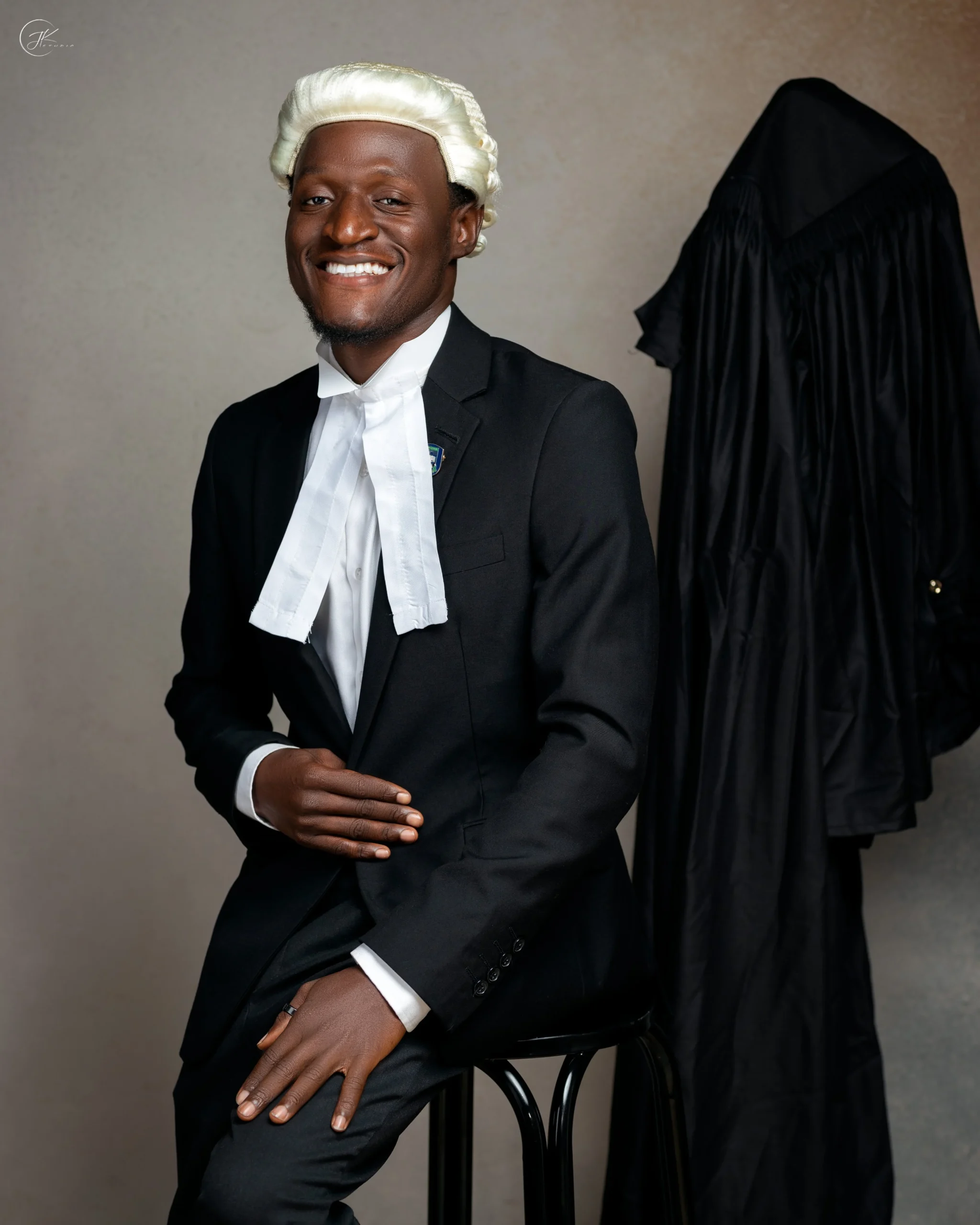
Nehemiah Danjuma, a deaf lawyer from northern Nigeria, and Abdulsalam Idowu, who triumphed against all odds to become a lawyer after facing educational hurdles, exemplify this shift. Their achievements highlight the potential for success when society prioritizes access and inclusivity.
Nancy Omabara, an educational psychologist and advocate for disability inclusion, emphasizes that a growing number of Nigerians with disabilities breaking into academia and professional spheres signifies a critical momentum. “When disability is viewed as a challenge rather than a limitation, remarkable progress can occur,” she noted, stressing the importance of resilience and advocacy for accessibility.
While these success stories inspire optimism, Omabara warns that significant obstacles remain. Despite emerging awareness and gradual changes in schools and workplaces, access to adequate education is still disappointingly low. Cultural and religious misconceptions continue to hinder effective integration for people with disabilities in Nigerian society.
Osuere, CEO of RubiesHub Educational Services, confidently asserts that the achievements of individuals like Danjuma demonstrate that disability does not equate to incompetence. She noted the importance of community support, quality education, and technology in fostering success. “When disabilities are met with the right resources and equal opportunities, remarkable feats are possible,” she stated.
To realize this potential more universally, Osuere advocates for improved inclusivity in educational and work environments. Schools and organizations need to ensure access by integrating appropriate infrastructure and support systems, including assistive technology and interpreters, fostering an environment where all individuals can thrive.
The stories of accomplishments extend beyond Danjuma. Israel Etim, a blind journalist at the Federal Radio Corporation of Nigeria, has made strides in broadcast journalism. Joshua Attah, who uses a tricycle for transportation, transformed his circumstances, choosing to enter the workforce as an employer rather than relying on charity. These narratives demonstrate that Nigeria’s disabled community possesses immense potential for achievement, defying societal limitations.
However, systemic infrastructure challenges persist. Many individuals leverage screen readers, adapt to e-learning platforms, and engage with advocacy groups to navigate a landscape not always designed for inclusivity. According to a report from the Commonwealth of Learning, assistive technologies play a crucial role in enhancing educational outcomes for learners with disabilities.
Gabriel Ogbesi, chairman of Brace Foundation, is an advocate for establishing specialized public schools to cater to children with disabilities in Nigeria. He argues that existing institutions often lack the necessary accommodations and are not adequately meeting the needs of these students. “We need dedicated facilities that offer tailored support,” he stated, reinforcing the need for change in the educational landscape.
The broader implications of these developments are significant. Research shows that individuals with disabilities achieve academic and professional milestones through personal resilience, the utilization of assistive technologies, and peer support. Governments are urged to enhance their support structures to create inclusive educational systems that recognize the rights of all citizens, aligning with principles outlined in the Universal Declaration of Human Rights.
Yet, the realization of these ideals remains elusive in many developing countries like Nigeria. Continued advocacy and action are essential to ensure that individuals with disabilities receive the opportunities and resources necessary to thrive in society.
