


Significant Tax Revenue and Concerns Over Rising Debt
The Nigerian government generated ₦21.6 trillion in tax revenue within the first half of the year, while external reserves reached the highest level in 17 years. Senators have expressed concerns regarding escalating debt and ineffective budget implementation despite increased revenue. Senator Tahir Monguno has warned that failure to enforce spending laws could lead to potential impeachment proceedings.
Minister Defends Borrowing Practices
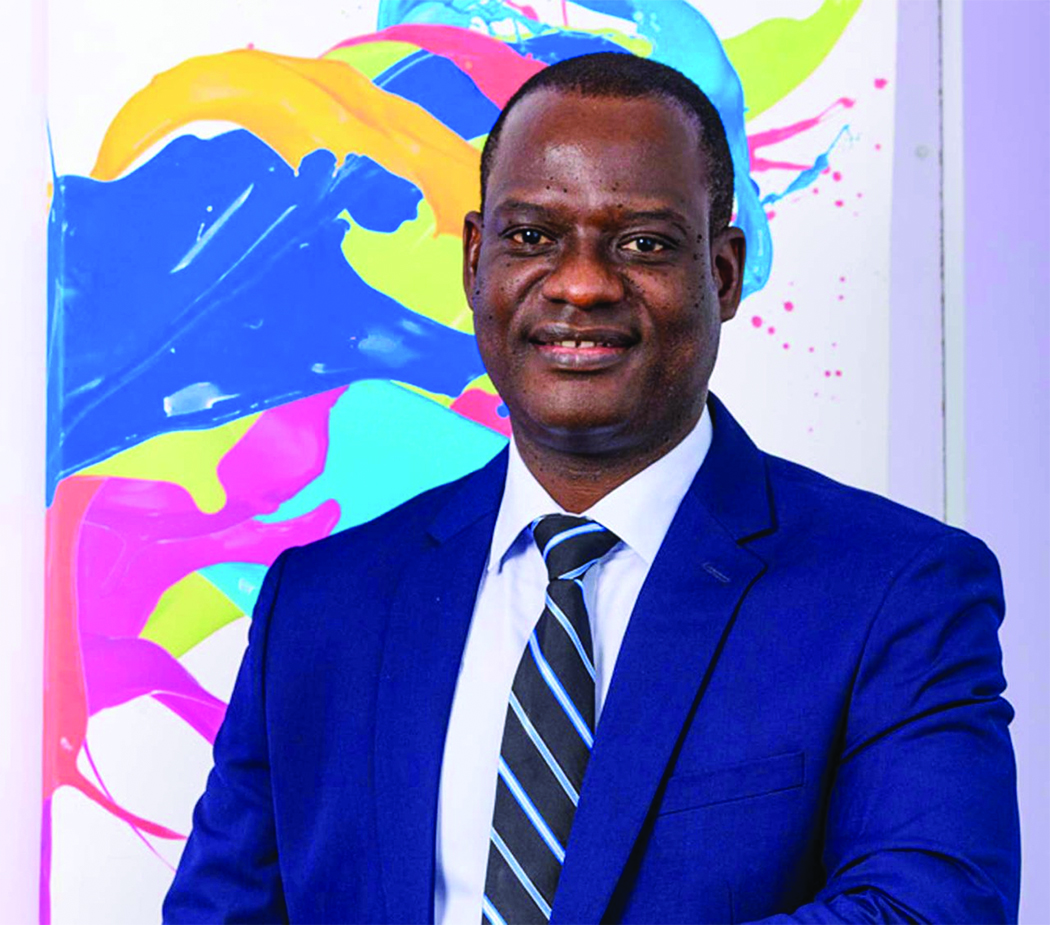
Finance Minister Taiwo Oyedele vigorously defended President Bola Tinubu’s borrowing record, asserting that the administration has not borrowed the widely reported ₦75 trillion to ₦80 trillion. Instead, he clarified that the recent rise in Nigeria’s public debt largely stems from naira exchange rate fluctuations, securitization of inherited revenue advances, and refinancing of existing debts rather than new loans.
Positive Tax Revenue Growth
During a comprehensive dialogue session with the Senate Committee on Finance, chaired by Senator Sani Musa, Oyedele revealed that tax collections had surged by 49% compared to the same period last year. This meeting, attended by the country’s entire economic management team, allowed senators to commend the improved tax revenue while raising questions about the rising debt burden and ineffective budget execution.
Clarification on Debt Figures
Oyedele provided a detailed breakdown of Nigeria’s debt situation, dismissing claims that the Tinubu administration had accumulated an additional ₦80 trillion in debt. He pointed out that more than ₦40 trillion of the increase in public debt was due to the revaluation of existing external debt because of the naira’s depreciation. Additionally, ₦33 trillion resulted from securitizing inherited revenue funds, not from new borrowing.
Ongoing Financial Challenges
Despite the significant revenue increase, Oyedele emphasized that government spending still outpaces available funds due to heightened statutory obligations. He explained that the government is forced to borrow to bridge the gap between expenditure and income, highlighting that persistent financial pressure includes debt repayments and mandatory salary adjustments across public sectors.
Optimistic Economic Outlook
While addressing concerns about the rising debt, Oyedele expressed optimism about Nigeria’s economic future, stating that recent reforms have restored macroeconomic stability. He noted GDP growth of 3.8% in the first quarter of this year and highlighted a 49% increase in tax collections as evidence of recovery. Oyedele attributed these improvements to ongoing tax reforms, heightened digitization, and enhanced compliance efforts.
Senate Calls for Reforms and Accountability
Congressional leaders echoed the need for fundamental reforms in Nigeria’s budgeting framework. Chairman Senator Sani Musa proposed transitioning to a performance-based budgeting model to improve fiscal accountability, while Senator Monguno voiced skepticism about the apparent disconnect between increased revenues and poor budget execution. He raised questions about the distribution of funds from the federal account and demanded greater transparency in financial management.
Conclusion on Budget Implementation
Concerns over budget implementation and the effectiveness of government spending continue to dominate discussions among lawmakers. Senator Adam Ariello underscored the importance of public clarity regarding the nation’s debt figures and urged timely execution of infrastructure projects across the country. The Committee will maintain oversight of the financial landscape to ensure accountability and enhance public spending efficiency.
