


Paramount Skydance Halts Merger with Warner Bros. Discovery Amid Legal Challenges
Paramount Skydance has agreed to pause its merger with Warner Bros. Discovery until next June as a federal judge reviews a lawsuit from a coalition of state attorneys general opposing the $110 billion deal. This decision underscores the growing scrutiny of mergers within the entertainment industry.
Court Filing Details Postponement
In an extensive 11-page court filing submitted on Friday, Paramount confirmed that it will not advance the merger before June 1, 2027, unless a ruling is issued on an antitrust lawsuit filed by twelve Democratic state attorneys general by that date.
Legal Oversight from the Court
This agreement extends the moratorium established earlier this week by Judge Araceli Martinez Holguin in the U.S. District Court for the Northern District of California, which is overseeing the case. The proposed merger aims to create a formidable player in the media landscape, potentially reshaping the entertainment sector.
Combining Forces: Major Industry Players Unite
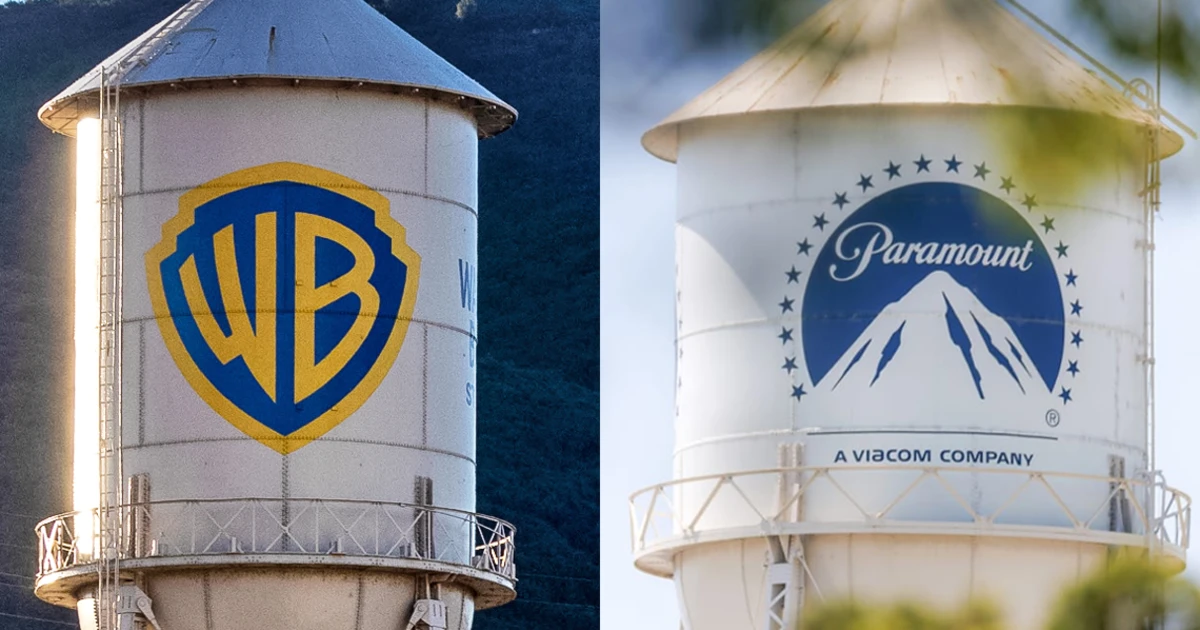
The merger would unify two storied movie studios—Paramount Pictures and Warner Bros. Pictures—along with their respective streaming services, Paramount+ and HBO Max. It would also consolidate two renowned news organizations, CBS News and CNN, all under the leadership of 43-year-old mogul David Ellison.
Opposition to the Merger Grows
Opponents of the merger, led by California Attorney General Rob Bonta, initiated a lawsuit on July 13, asserting that the deal would “eliminate competition” in Hollywood. In a 38-page complaint, they contended that the merger raises significant antitrust concerns.
Responses from Legal Advocates
In a statement, Bonta expressed that the agreement marks a positive outcome for audiences, movie theaters, and creators of art and entertainment. He emphasized a commitment to continue advocacy in court to prevent what they deem an illegal merger, reinforcing the states’ argument that it violates the Clayton Antitrust Act of 1914.
Market Competition at Stake
The states argue that the merger would adversely affect competition in key areas: the distribution of wide-release theatrical films, the distribution of major box office hits, and the market for delivering basic cable channels to providers. Despite these concerns, Paramount has described the lawsuit as unfounded and indicative of one of the weakest merger challenges in recent history.
Corporate Reactions and Market Impact
A spokesperson for Paramount heralded the halt as a critical victory, asserting it lays the groundwork for an evidence-based trial to demonstrate the merger’s benefits for competition and consumers. Following the court filing, Paramount’s stock fell by over 3%. The urgency to finalize the deal is intensified by a ticking fee agreement that mandates the company to pay Warner Bros. shareholders 25 cents per share every quarter if the merger is not completed by September 30, a cost that could reach more than $600 million.
Regulatory Approvals and Industry Responses
Despite already securing regulatory green lights from the Department of Justice and several international authorities, including those in Australia, China, and the European Union, the merger has polarized Hollywood. Various industry stakeholders, including actors, directors, and screenwriters, worry that such consolidation will lead to job cuts and increased consumer costs. Additionally, the Writers Guild of America has filed its own antitrust lawsuit in response to the merger’s implications.
Multi-State Legal Coalition Challenges Merger
Alongside California, a coalition of attorneys general from several states including Arizona, Colorado, and New York, among others, have rallied against the merger, citing significant risks to a competitive entertainment landscape. New York Attorney General Letitia James highlighted the merger as detrimental to both industry workers and consumers, framing the ongoing litigation as essential to uphold competitive integrity in the film and television sectors.
