


Exploring the Role of Blood Tests in Alzheimer’s Disease Detection
The concept is straightforward: even in the absence of symptoms, individuals are encouraged to get a blood test to assess their risk of developing Alzheimer’s disease in the future. However, the decision to undergo such testing involves a more intricate discussion.
Understanding Blood Test Mechanisms
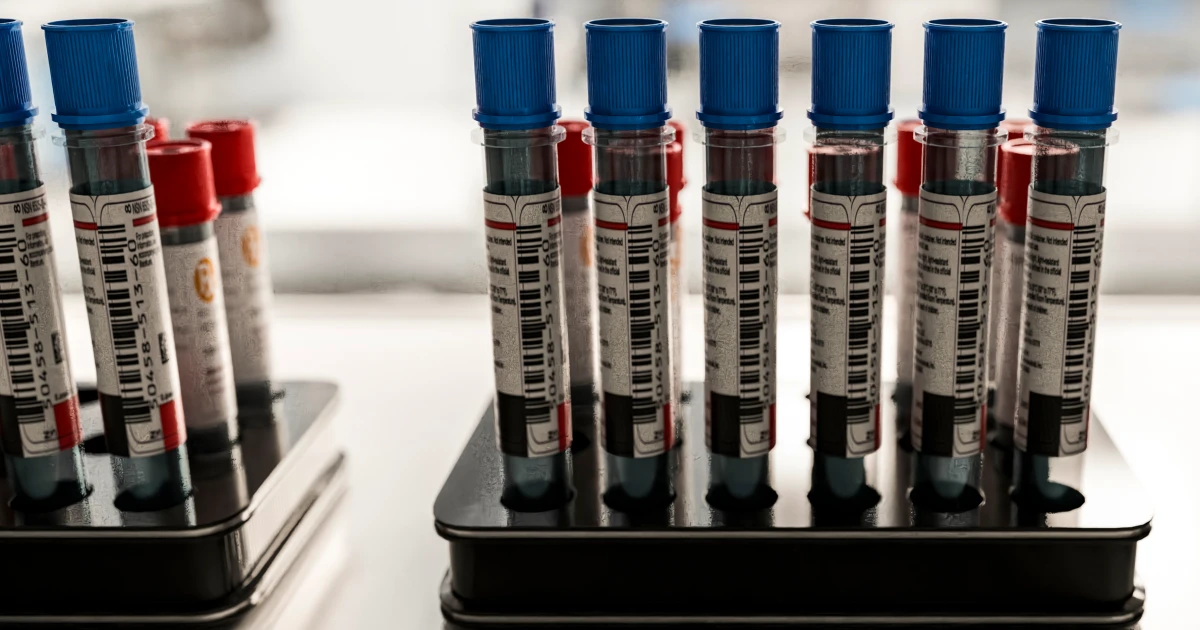
Most blood tests for Alzheimer’s focus on measuring levels of amyloid or tau proteins, which accumulate in the brain and are believed to contribute significantly to the disease. These proteins may begin to build up decades before any symptoms manifest, raising questions about early detection.
Debating the Accuracy of Alzheimer’s Tests
Despite advancements in testing, medical professionals continue to question the reliability of these tests in predicting who will develop the disease. Instances have emerged where individuals who tested positive later received negative results, casting doubt on the tests’ accuracy and overall effectiveness.
Addressing Patient Concerns and Treatment Limitations
Even if the tests are reliable, a critical concern remains: how patients should act upon the results. Currently, Alzheimer’s disease affects approximately 7 million individuals in the United States, and while the FDA has approved two drugs—Leqembi and Kisunla—to slow its progression, there is no cure. Evidence of their effectiveness is mixed, and they may lead to severe side effects, including brain swelling and bleeding. Although lifestyle changes like diet and exercise could help mitigate some risk factors, their impact remains limited.
Public Sentiment on Early Testing
A recent study in the journal *Alzheimer’s & Dementia* revealed that 85% of participants would consider taking a blood test to evaluate their Alzheimer’s risk if advised by their healthcare provider. The study surveyed about 600 adults in primary care settings in the Chicago area, many of whom were unaware of such tests prior to participation.
Psychological Implications of Testing
Lead author of the study, Andrea Russell, observed that anxiety is prevalent among older patients regarding their cognitive health. Nearly 75% of respondents expressed they would feel distressed after a positive result, even though many would be motivated to take proactive steps toward improving their brain health.
Future Directions and Ongoing Challenges
Despite the FDA clearing two blood tests for individuals aged 55 and older, it is essential to note these tests are only applicable to those displaying symptoms. These tests are not standalone diagnostics; they are typically used alongside other examinations, like PET scans. The FDA highlighted the main risk associated with these tests: the potential for inaccurate results, leading to unnecessary treatments for those incorrectly diagnosed.
Research and Development of Blood Tests
While at least 25 blood tests are currently available globally, research in this area is still in its infancy. Rebecca Edelmeyer from the Alzheimer’s Association emphasizes that these tests are crucial not only for potential early diagnosis but also for easing the diagnostic process. Compared to PET scans and MRIs, blood tests are less invasive, more affordable, and simpler to administer.
Concluding Thoughts on the Future of Alzheimer’s Testing
Experts acknowledge significant strides in blood testing technology but agree that further research is essential. Dr. Ronald Petersen of the Mayo Clinic explains that while some blood tests predict the presence of amyloid in the brain, confirmation typically requires a PET scan. There remains skepticism within the medical community regarding the feasibility of using blood tests as standalone diagnostic tools.
