


Philadelphia City Council Approves Legislation to Limit Immigration Enforcement
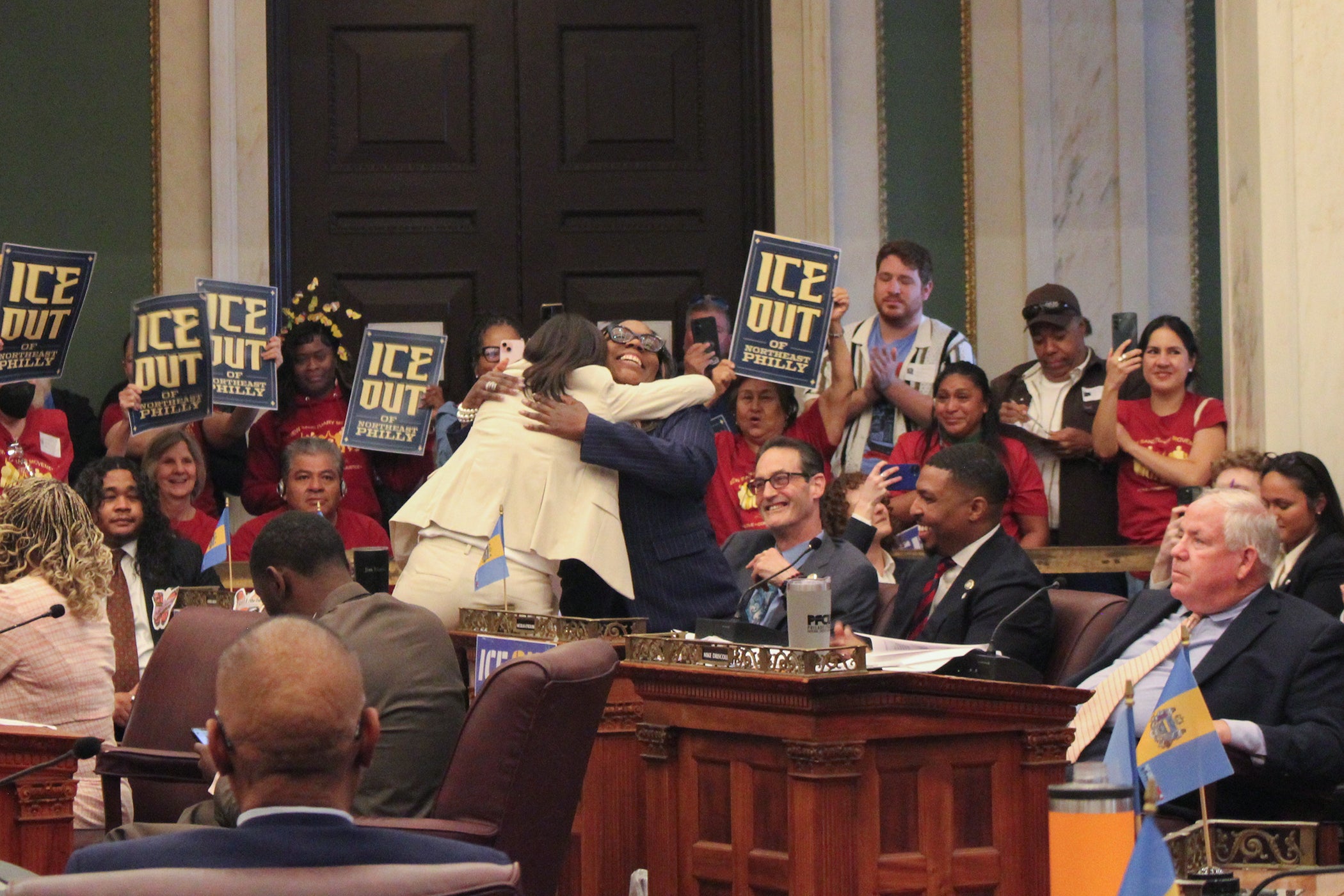
On Thursday, the Philadelphia City Council secured a significant victory by passing a comprehensive bill aimed at curbing immigration enforcement activities within the city. The legislation garnered a veto-proof majority, signaling strong support among council members.
The initiative was spearheaded by Rep. Kendra Brooks, the Minority Leader of the Working Families Party, alongside Democratic Rep. Lou Landau. Their efforts gained momentum shortly after a tragic incident in which federal immigration agents shot and killed a U.S. citizen in Minneapolis.
Following the vote, Brooks emphasized the council’s commitment to standing against federal immigration policies, stating that the bill reflects the resilience of Philadelphia residents. She underscored the importance of community solidarity in the face of what she described as bullying tactics used by those in power.
Landau, also a proponent of the measure, expressed gratitude to the Pennsylvania Immigration Coalition, advocacy groups, community members, and volunteers who rallied support for the bill. He affirmed that the legislation positions Philadelphia as a leader in local immigration policy, setting standards for how U.S. Immigration and Customs Enforcement (ICE) should operate in the city.
Key Provisions of the “ICE Out” Law
The “ICE Out” law introduces several critical provisions aimed at safeguarding immigrant rights. Notably, it prohibits ICE agents and other law enforcement personnel from using masks, unmarked vehicles, and unauthorized badges, except in specific situations involving undercover operations, SWAT teams, or medical emergencies. The legislation also reinforces the city’s long-standing policy of not entering into cooperative agreements with ICE under the 287(g) program.
Furthermore, the law forbids city agencies, including police, from assisting federal immigration enforcement without a judicial warrant. It also prevents officials from collecting or sharing information related to individuals’ citizenship or immigration status with ICE. Discriminatory practices based on immigration status by city officials, employers, and businesses are explicitly banned. Additionally, the law prohibits ICE from conducting raids on city property without proper court authorization.
Community Support and Implementation Plans
The atmosphere in the city council chamber was one of celebration as advocates and members of immigrant rights organizations gathered to support the bill. Many attendees expressed their enthusiasm with chants of solidarity directed at council members. Blanca Pacheco, co-director of the New Sanctuary Movement, highlighted the importance of community organization in achieving this legislative milestone. She emphasized the need for effective implementation of the new law to ensure its objectives are met.
Pacheco and other advocates plan to collaborate with city officials to establish guidelines for the law’s practical application on the ground. This collaborative effort is crucial to translating the legislative framework into meaningful protections for immigrants in Philadelphia.
Challenges and Personal Testimonies
While the majority of public comments during the session supported the “ICE Out” initiative, some individuals voiced concerns about potential drawbacks. Maria Serna, an immigrant from Colombia, shared her personal struggles, recounting how her husband’s deportation deeply affected her family. Expressing her perspective in Spanish, she conveyed the profound emotional and social implications experienced by immigrant communities.
Serna articulated common desires shared by many immigrants: respect, safety, and the freedom to live peacefully with their families while working hard to build a future. Her heartfelt remarks encapsulated the hopes and aspirations that underpin the push for reform in immigration enforcement.
